
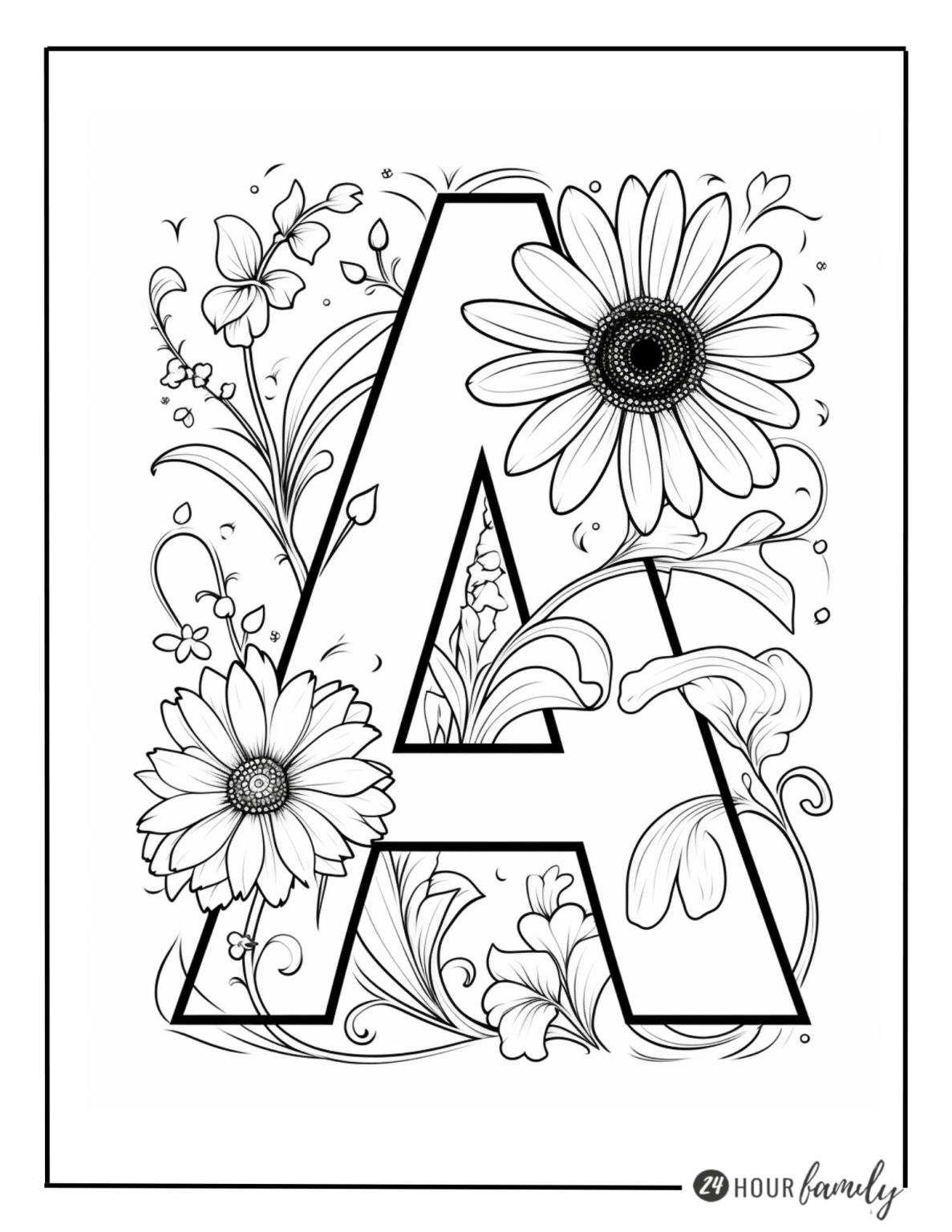
Coloring isn’t just for children; adults can also find relaxation and creative expression through coloring activities. One such engaging resource is the Alphabet Adult Coloring Letter A, a unique way to combine art with learning. This resource allows teachers, parents, and caregivers to facilitate an enriching experience that helps reinforce the alphabet while also providing a creative outlet. guide you through how to effectively use this printable coloring page in various settings.
Understanding the Benefits of Coloring for Adults
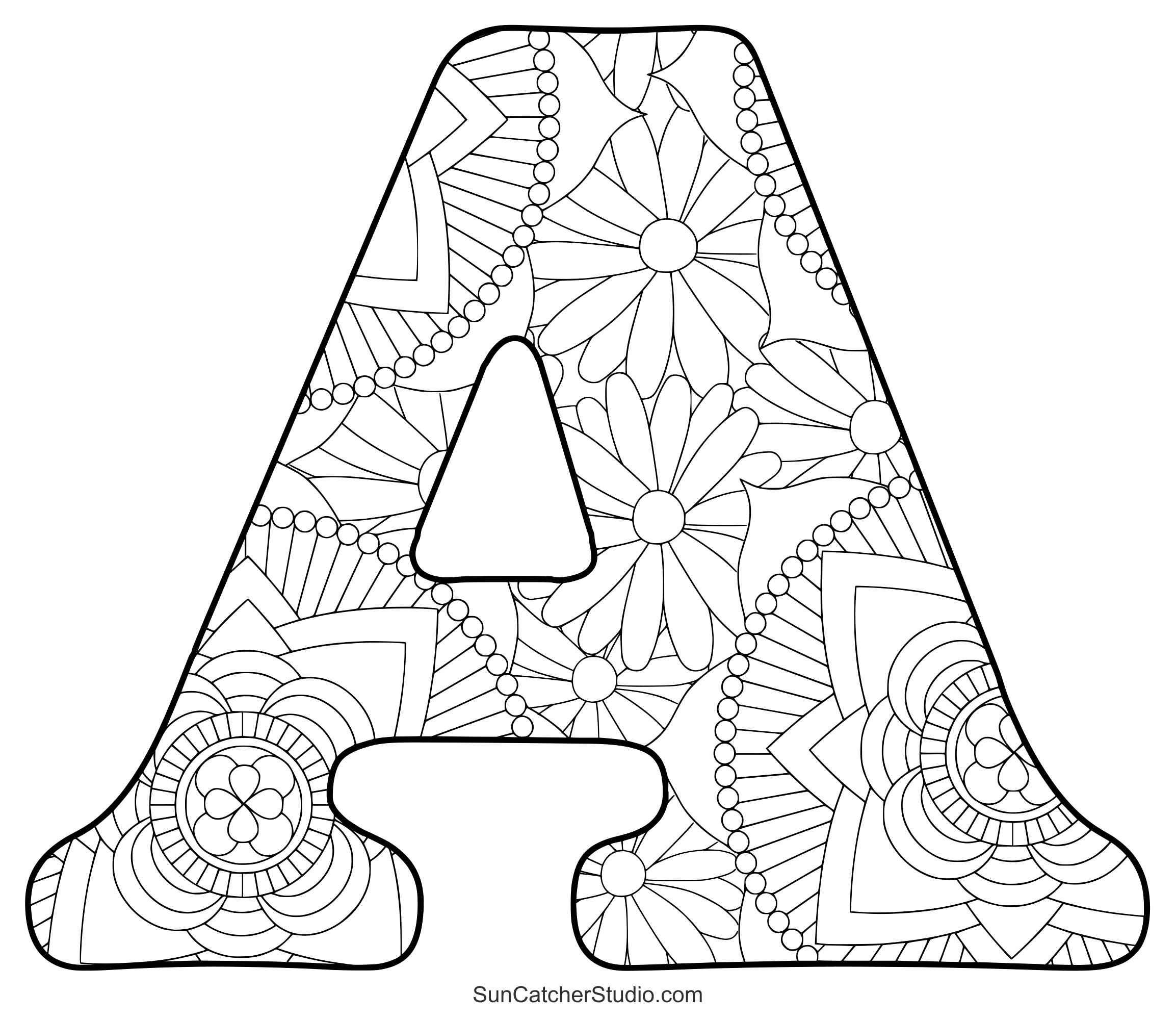
Coloring can be a therapeutic activity for adults, providing numerous benefits. It encourages mindfulness, reduces stress, and improves motor skills. When focusing on the Alphabet Adult Coloring Letter A, participants can engage in a creative process that allows for self-expression while reinforcing their understanding of the letter and its associated words.
In educational settings, coloring can serve as a valuable tool for helping students recognize letters. It not only enhances their cognitive skills but also provides a break from traditional learning methods, making it a fun activity that can be integrated into lessons or used during free time.
Setting Up Your Coloring Activity
To make the most out of the Alphabet Adult Coloring Letter A, you’ll want to set up an inviting and comfortable space. Here are some suggestions to consider:
- Materials Needed: Gather high-quality coloring materials such as colored pencils, markers, or gel pens. These choices can enhance the coloring experience, allowing for vibrant results. Consider providing different paper types, like cardstock, which holds up better for detailed coloring.
- Printing Options: When printing the coloring page, use standard letter-sized paper (8.5 x 11 inches) for easy handling. If you plan on using it for multiple sessions, printing on heavier paper or cardstock is advisable, as it can withstand repeated use without tearing.
- Creating a Comfortable Environment: Set up a well-lit area with comfortable seating. If you’re working in a classroom, consider arranging tables or desks in a way that promotes collaboration and conversation among students as they work on their coloring.
Incorporating the Alphabet Adult Coloring Letter A Into Lessons
Using the Alphabet Adult Coloring Letter A in lessons can be both educational and engaging. Here’s how you can incorporate it into your teaching:
- Alphabet Recognition: Begin by discussing the letter A, its pronunciation, and its various sounds. Ask students to brainstorm words that begin with A. This not only reinforces letter recognition but also builds vocabulary.
- Coloring Session: Allow students to color the letter A while discussing the associated words they came up with. Encourage creativity—there’s no right or wrong way to color!
- Word Association: After the coloring session, have students share their colored letters with the class, discussing the words they associated with the letter A. This reinforces both color recognition and verbal skills.
- Display the Art: Create a classroom display featuring students’ colored letters. This not only celebrates their work but also serves as a visual reminder of the alphabet.
Assessing Progress and Mastery
To determine how well students have grasped the concept of the letter A through this activity, observe the following:
- Participation: Are students engaged during the coloring process? Active participation often indicates interest and understanding.
- Discussion Contributions: Pay attention to how well students can relate their coloring to the letter A. If they can recall words or concepts associated with A, it’s a good sign of mastery.
- Artistic Expression: Look for creativity and effort in their coloring. While artistic ability varies, enthusiasm and attention to detail can indicate a deeper connection to the activity.
Reusing the Resource
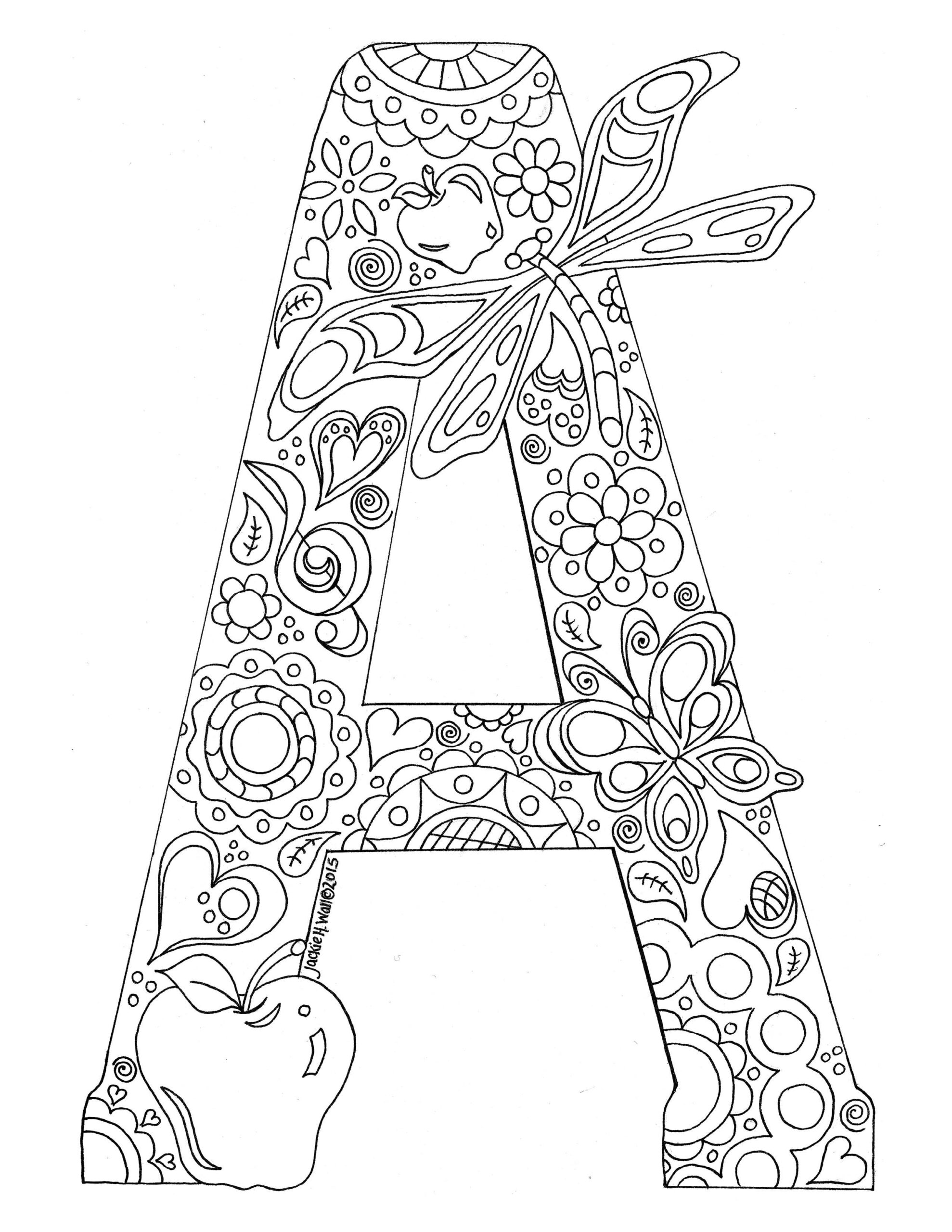
One of the advantages of the Alphabet Adult Coloring Letter A is its potential for reuse. Consider these ideas:
- Different Coloring Techniques: Encourage students to use various coloring techniques in subsequent sessions, such as shading, blending, or even adding patterns. This can keep the activity fresh and engaging.
- Thematic Tie-Ins: Use the coloring page during different themes or units. For example, if you’re covering animals, students can color the letter A while discussing animals that start with A, like alligator or ant.
- At-Home Activities: Send a copy home for parents to use. This way, students can continue their learning outside of school and share their coloring with family, reinforcing the letter’s importance.