
Using Abc Printable Letters With Pictures can be a fantastic way to engage young learners in the classroom or at home. These resources are designed to help children recognize letters, associate them with images, and develop early literacy skills. In this article, we’ll explore practical ways to utilize these printables effectively, ensuring that both teachers and parents can create a fun and educational environment.
Understanding Abc Printable Letters With Pictures
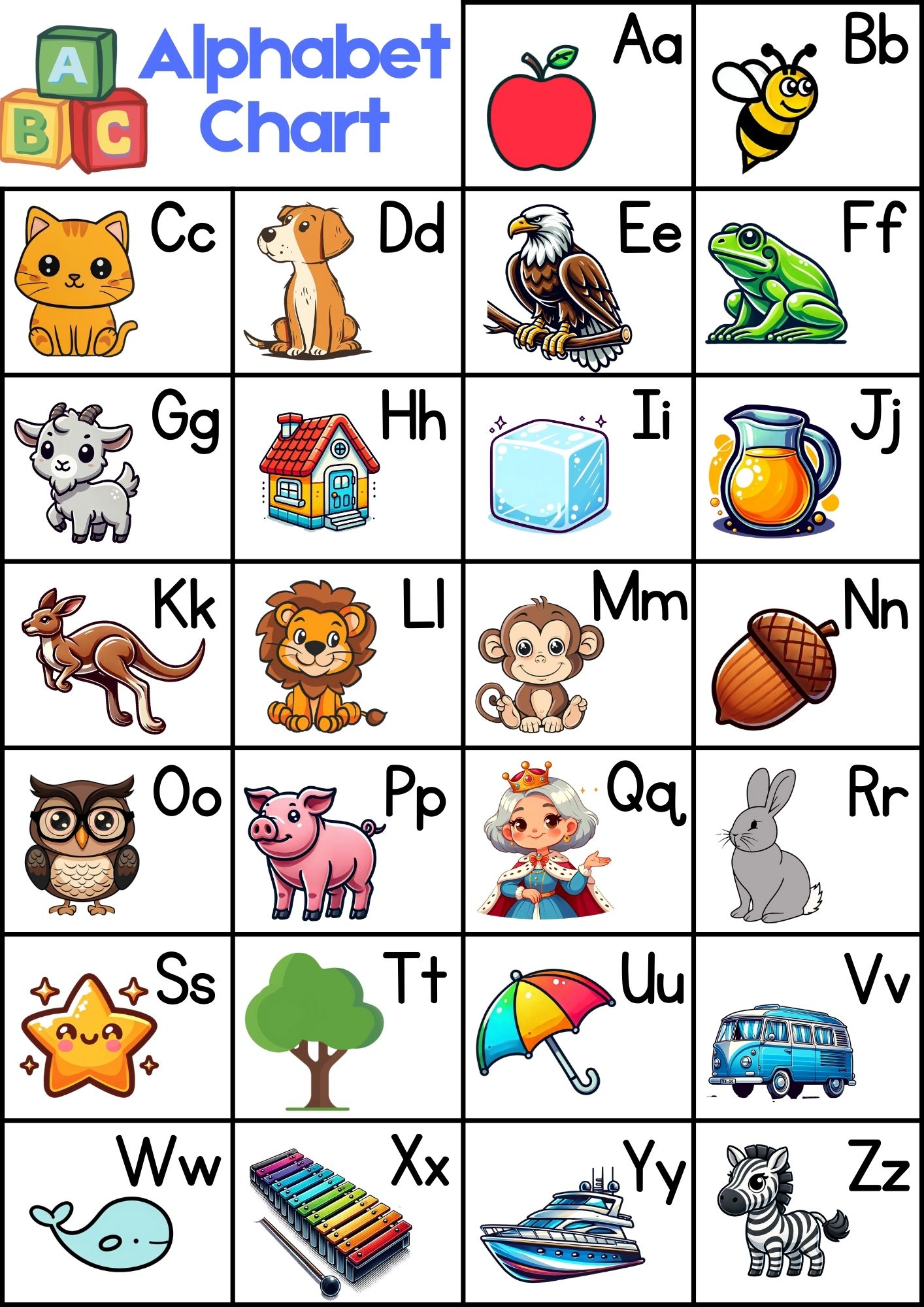
Abc Printable Letters With Pictures are educational tools that pair each letter of the alphabet with corresponding images. For instance, the letter “A” might be accompanied by an image of an apple, while “B” could feature a ball. This visual association aids in letter recognition and phonemic awareness, essential components of early reading skills.
These printables are suitable for preschoolers and kindergarteners, typically ranging from ages 3 to 6. They can be used in various settings, including classrooms, homeschooling environments, or even as fun activities at home.
Preparing Your Printables for Use
Before diving into activities, it’s essential to prepare your printable letters effectively. Here are some practical steps:
- Choosing the Right Paper: For durability, consider printing on cardstock rather than regular printer paper. Cardstock can withstand more handling, especially if you’re using them in a classroom setting where multiple children will interact with them.
- Size Matters: Standard letter sizes (like 8.5 x 11 inches) work well for most home printers. If you’re printing for a classroom, consider using larger sizes for visibility, especially if you plan to display them on walls or boards.
- Laminating for Longevity: If you have access to a laminator, lamination can prolong the life of your printables. This is especially useful for frequent use, as it protects against wear and tear and allows for dry-erase markers to be used for interactive activities.
- Organizing Your Materials: Create a designated area in your classroom or home where the printables are stored. Use folders or binders to keep them organized, making it easy to find the specific letters when needed.
Engaging Activities With Printable Letters
With your printables ready, it’s time to engage children in fun activities that reinforce learning. Here are some ideas:
Alphabet Wall Display
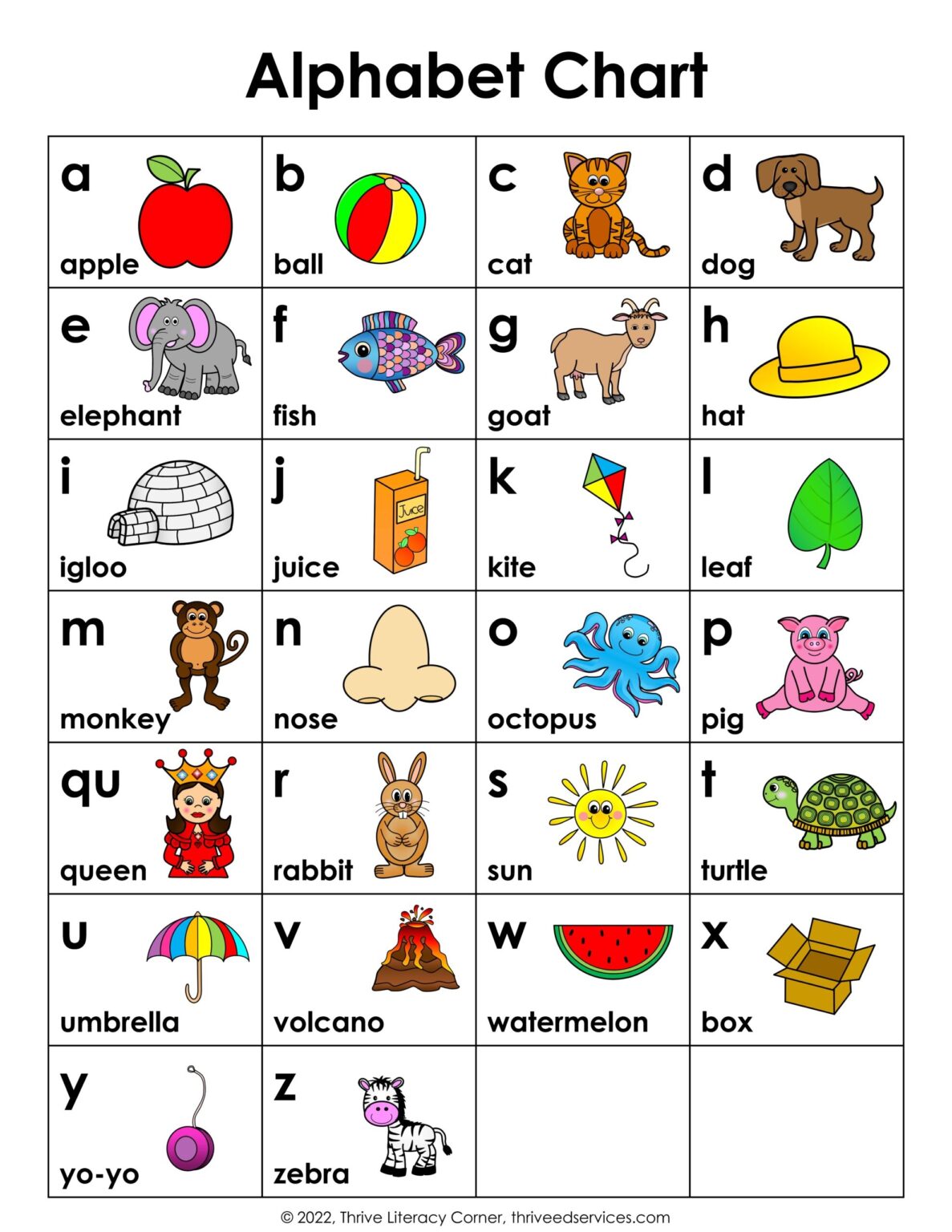
Create an alphabet wall using the printable letters. Attach each letter alongside its corresponding picture at children’s eye level. This not only decorates the classroom or learning space but also serves as a constant visual reference for students.
Letter Scavenger Hunt
Turn learning into an adventure by organizing a letter scavenger hunt. Place the printable letters around the room or yard, and have children find them. Once they locate a letter, they can say its name, the sound it makes, and the corresponding word that starts with that letter.
Craft Time
Incorporate arts and crafts by having children create their own letter crafts. For example, they can cut out pictures from magazines or draw items that start with the letter they are focusing on. This not only reinforces their understanding of the letter but also fosters creativity.
Interactive Learning Centers
Set up learning centers that focus on different letters. Each center can contain various activities related to a specific letter, such as matching games with the printable letters and pictures or creating words using magnetic letters. This allows for hands-on learning and caters to different learning styles.
Assessing Progress With Printable Letters
It’s important to assess children’s understanding of the letters they are learning. Here are some effective strategies for evaluation:
- Observation: Watch how children interact with the printables during activities. Are they able to recognize and name the letters? Do they understand the sounds associated with them?
- Worksheets: Create simple worksheets where children can trace the letters or match them with corresponding pictures. This provides a tangible way to measure their progress.
- Verbal Quizzes: Play a quick game where you show a letter and ask children to name it and provide a word that starts with that letter. This can be a fun group activity that encourages participation.
- Feedback from Parents: If you’re teaching in a classroom, consider sending home a note to parents, encouraging them to reinforce letter recognition at home. This could include simple activities like reading books that focus on specific letters or playing letter games.
Adapting for Different Learning Levels
Not all children learn at the same pace, so it’s essential to adapt your approach:
- Advanced Learners: For those who grasp the concepts quickly, introduce activities that involve blending sounds to form simple words. You could also encourage them to write their own sentences using words that start with the letters they’ve learned.
- Struggling Learners: For those who may need extra support, incorporate multi-sensory activities. This could involve using tactile letters (like foam or sandpaper) or providing additional visual aids to reinforce their learning.
- English Language Learners (ELL): Use the printable letters as a bridge for ELL students. Pair the letters with both English words and images that are culturally relevant to the students’ backgrounds, making the material more relatable and engaging.
Expanding Beyond the Printables
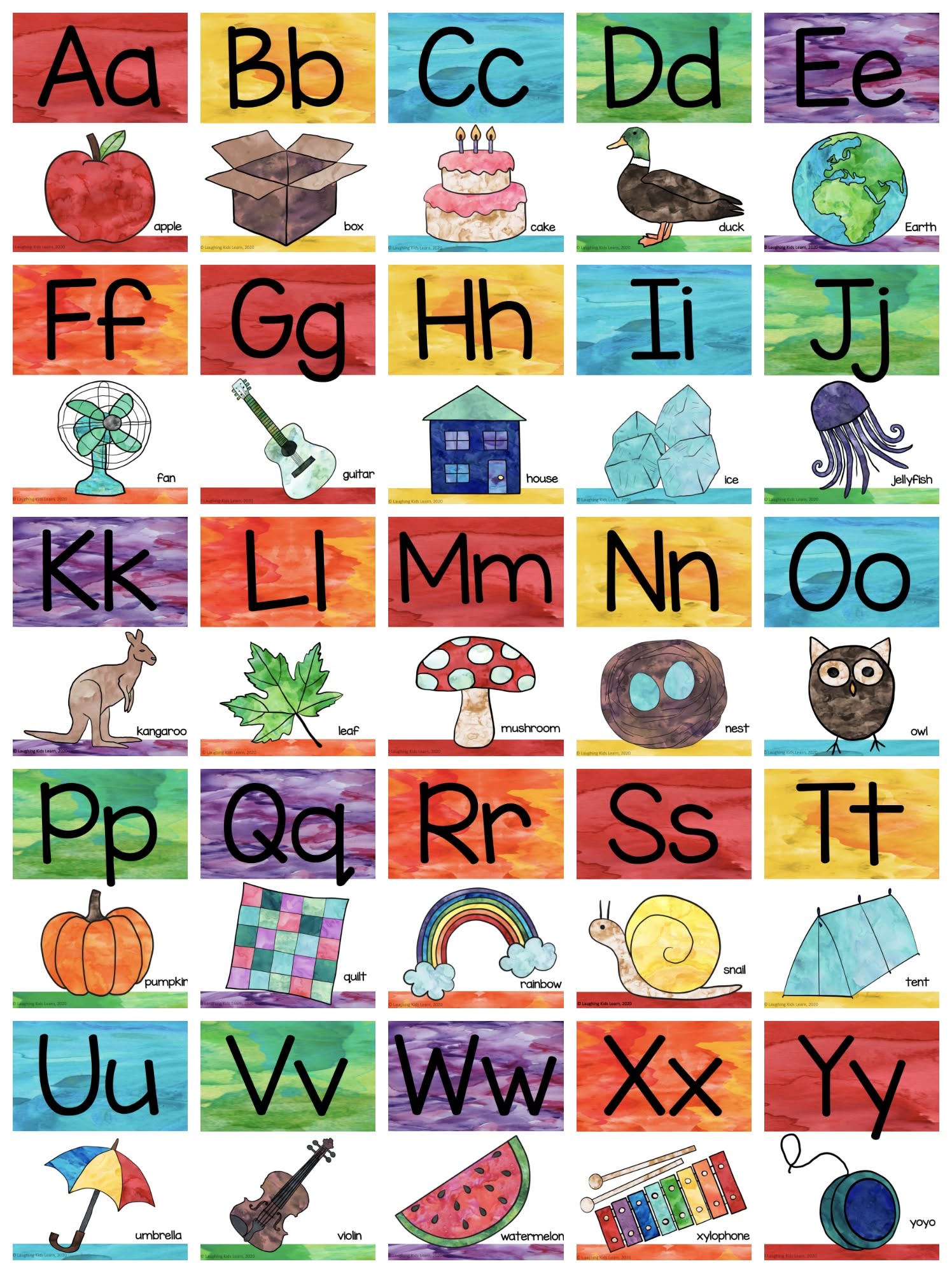
While Abc Printable Letters With Pictures serve as an excellent foundation for letter recognition, consider expanding your resources to include:
- Storybooks: Choose storybooks that emphasize the alphabet. Reading these together can enhance letter recognition in a fun, narrative context.
- Songs and Rhymes: Incorporate songs or rhymes that focus on the alphabet. This auditory reinforcement can help children remember the letters and sounds.
- Digital Resources: Look for apps and educational websites that complement the printable letters. Many interactive games can further engage children and reinforce their learning.
Using Abc Printable Letters With Pictures can transform learning into a vibrant, enjoyable experience for young children. By integrating these printables into your teaching strategy, you can create a rich educational environment that fosters literacy skills. Whether you’re a teacher in a busy classroom or a parent at home, these resources can make a significant difference in how children learn their letters. Consider how you can best utilize these tools to engage your learners and enhance their educational journey.