
Using ABC paper letters to color is a fantastic way to foster creativity and improve literacy skills among young learners. These printable resources are easily accessible and can be used in various educational settings, including classrooms and homeschooling environments. With each letter of the alphabet available for coloring, children can explore both the artistic and educational aspects of learning their ABCs.
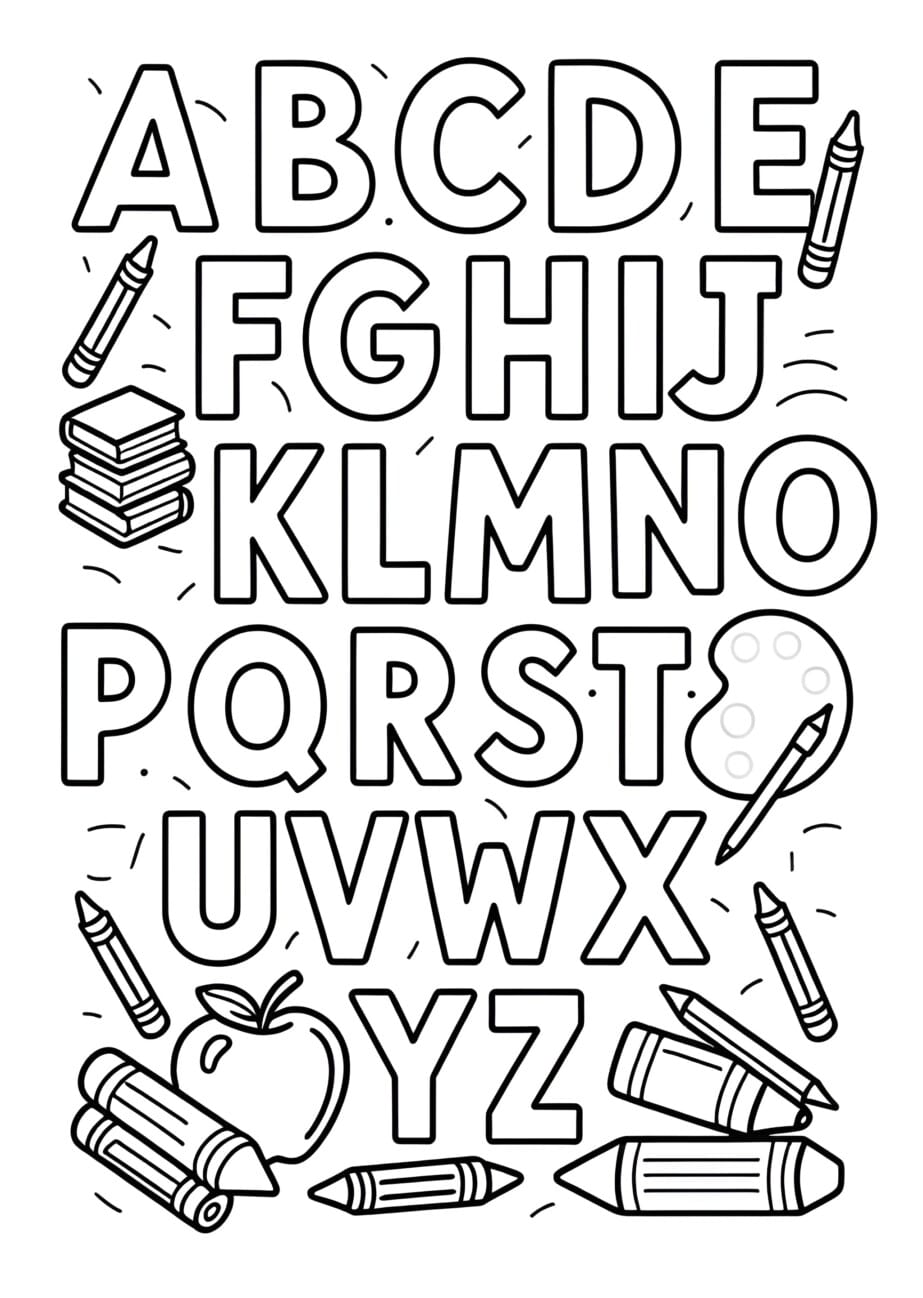
Understanding the Layout of ABC Paper Letters
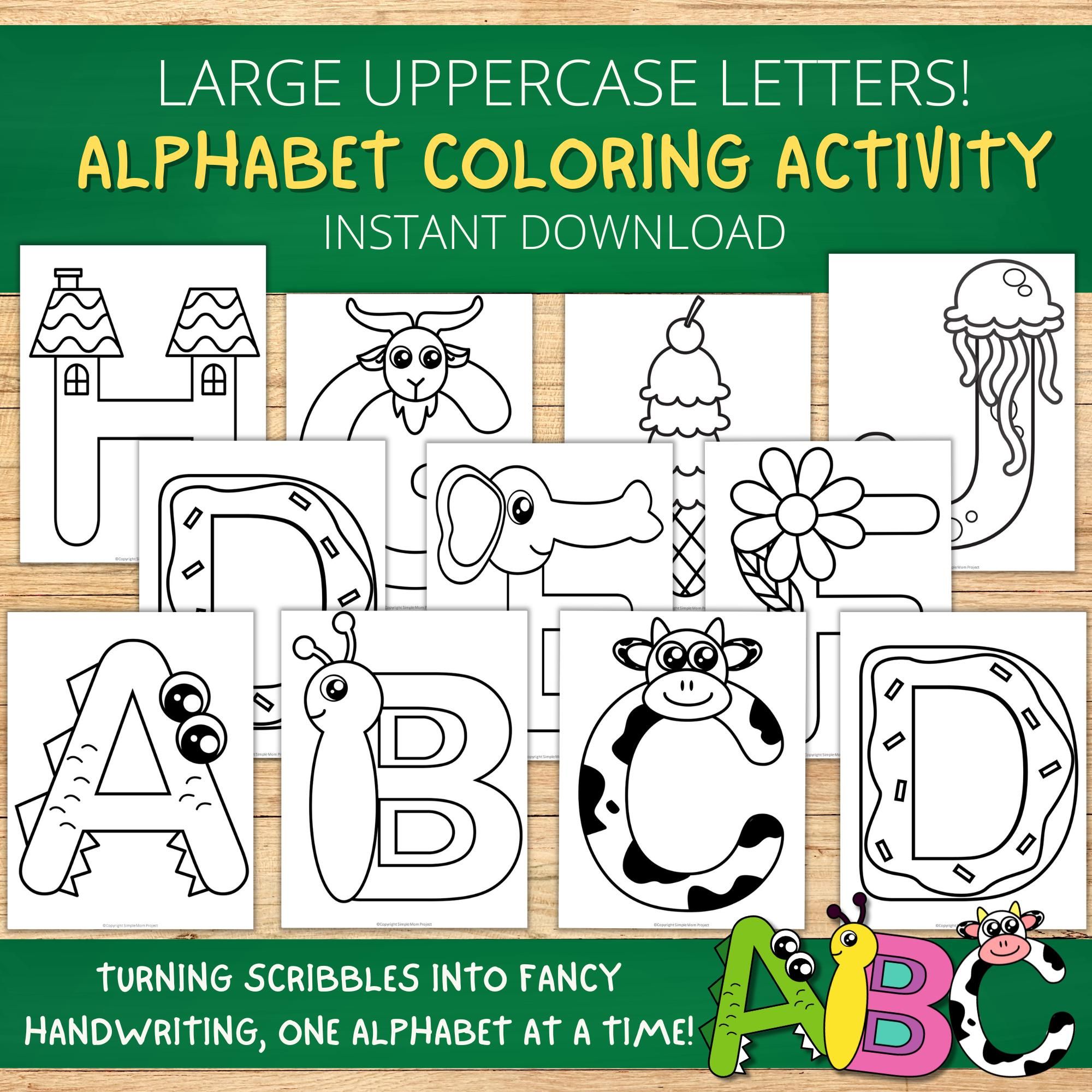
Typically, ABC paper letters to color are designed in a large, bold font that makes them easy for children to color in. These letters are often presented in either portrait or landscape format, with ample space for coloring, which encourages young learners to engage with each letter individually. Each letter should ideally be contained within a box or circle to help guide children’s coloring and maintain focus on the letter itself.
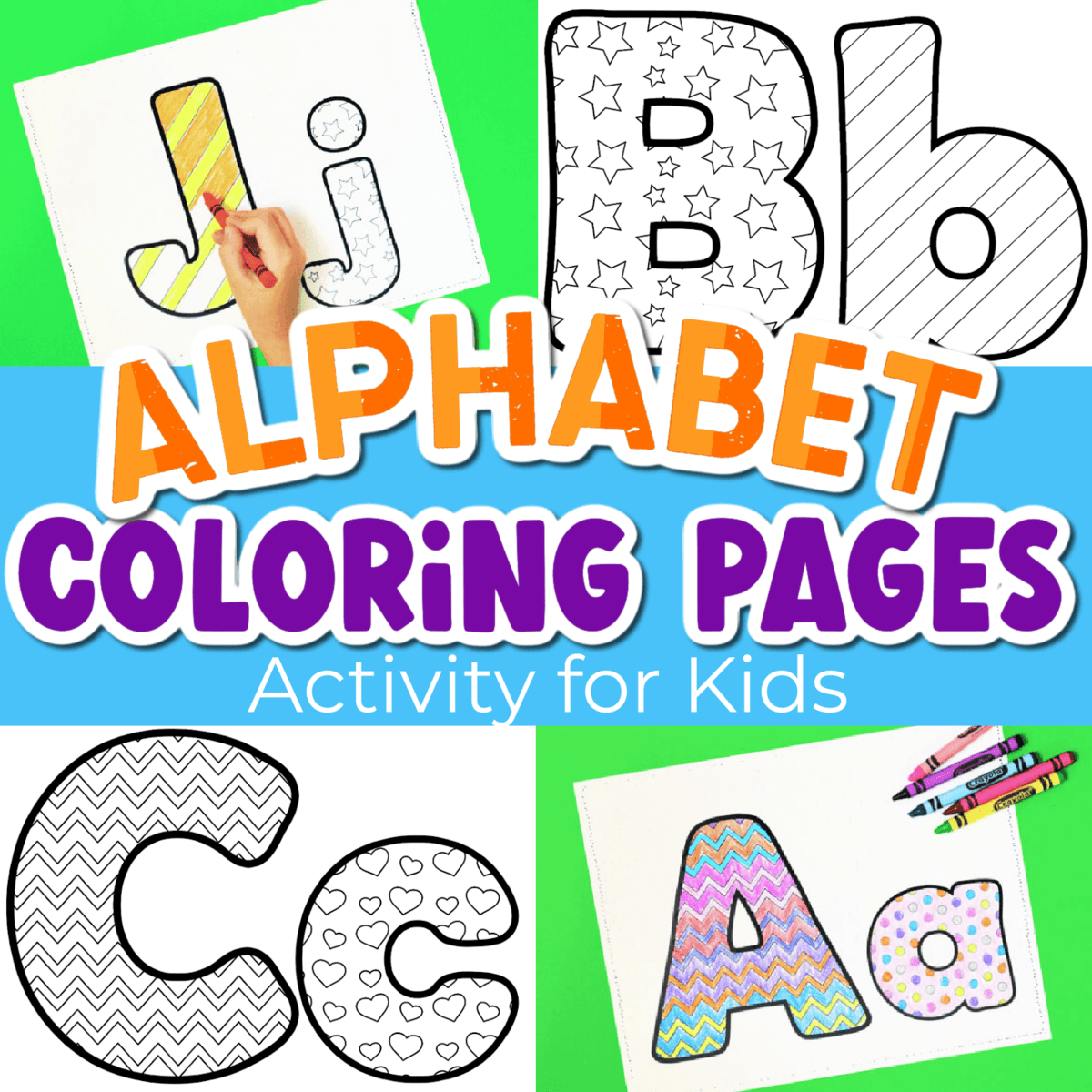
When selecting these resources, look for templates that include both uppercase and lowercase letters. This dual approach can help children recognize the different forms of each letter, reinforcing their understanding of the alphabet. The size of the letters is also important; larger letters provide a better canvas for younger children who are still developing fine motor skills.
Practical Uses in the Classroom and Homeschool
ABC paper letters to color can be utilized in a variety of ways within the classroom or at home. For instance, teachers can incorporate these coloring sheets into their lesson plans, using them as a fun activity after teaching each letter. This repetition is critical, as it solidifies the learning experience and helps children associate colors with letters and sounds.
In a homeschooling environment, these coloring sheets can be part of a structured weekly plan. For example, dedicating one sheet per day allows for spaced repetition, which has been shown to enhance memory retention. On day one, focus on the letter A, exploring words that start with A while coloring. The following days can follow the same pattern with B, C, and so on, allowing students to build their vocabulary progressively.
Enhancing Fine Motor Skills Through Coloring
Coloring ABC letters is not just an enjoyable activity; it also plays a significant role in developing fine motor skills. As children color within the lines, they practice their hand-eye coordination and control over writing instruments, which are essential skills for their future academic endeavors.
To maximize this benefit, consider providing children with different coloring tools. Crayons, markers, or colored pencils can offer varying levels of difficulty and engagement. For younger children, thicker crayons may be easier to handle, while older children might enjoy the precision of colored pencils.
Additionally, combining the coloring activity with verbal instructions or discussions about the letters being colored can further reinforce the learning process. For example, while coloring the letter B, discuss words that start with B or even incorporate a fun rhyme.
Incorporating Themes and Activities
To keep the coloring experience exciting, consider incorporating themes that relate to each letter. For example, when focusing on the letter C, include coloring sheets that feature not only the letter itself but also illustrations of items that start with C, such as cars, cats, and cupcakes. This thematic approach helps children connect letters to their meanings and enhances vocabulary acquisition.
Furthermore, you can turn this activity into a multi-day project. After coloring, let children cut out the letters and create a collage. This not only reinforces letter recognition but also introduces them to crafting, further developing their creativity.
Downloading and Printing Considerations
When downloading ABC paper letters to color, pay attention to the file format and print settings. Most resources are available in PDF format, which is ideal for maintaining the quality of the images during printing. Additionally, using cardstock instead of regular paper can provide a sturdier surface for coloring, especially if children are using markers.
For optimal results, set your printer to the highest quality print setting. This ensures that the letters appear crisp and clear, making it easier for young learners to color within the lines. Portrait layout is commonly preferred for these types of worksheets as it allows for larger letters that are easier to color.