
In a bustling classroom, Ms. Thompson observes her students as they excitedly gather around their desks with colorful worksheets. Today’s focus is on letter recognition, a crucial skill for early learners. To facilitate this, she pulls out the A-Z Learning Printable Letters. These resources have become a staple in her teaching toolkit, allowing her to create engaging and effective learning experiences.
A-Z Learning Printable Letters are versatile tools designed for teachers and parents to enhance the letter recognition skills of children. These printables can range from large letter templates to worksheets that encourage tracing and writing. By incorporating these resources into daily activities, educators can help students grasp the alphabet effectively.
Understanding the Importance of Letter Recognition
Letter recognition is foundational for literacy. Children need to identify letters before they can read or write. By using A-Z Learning Printable Letters, educators can provide varied opportunities for practice. This resource allows for different learning styles, whether through visual aids or hands-on activities.
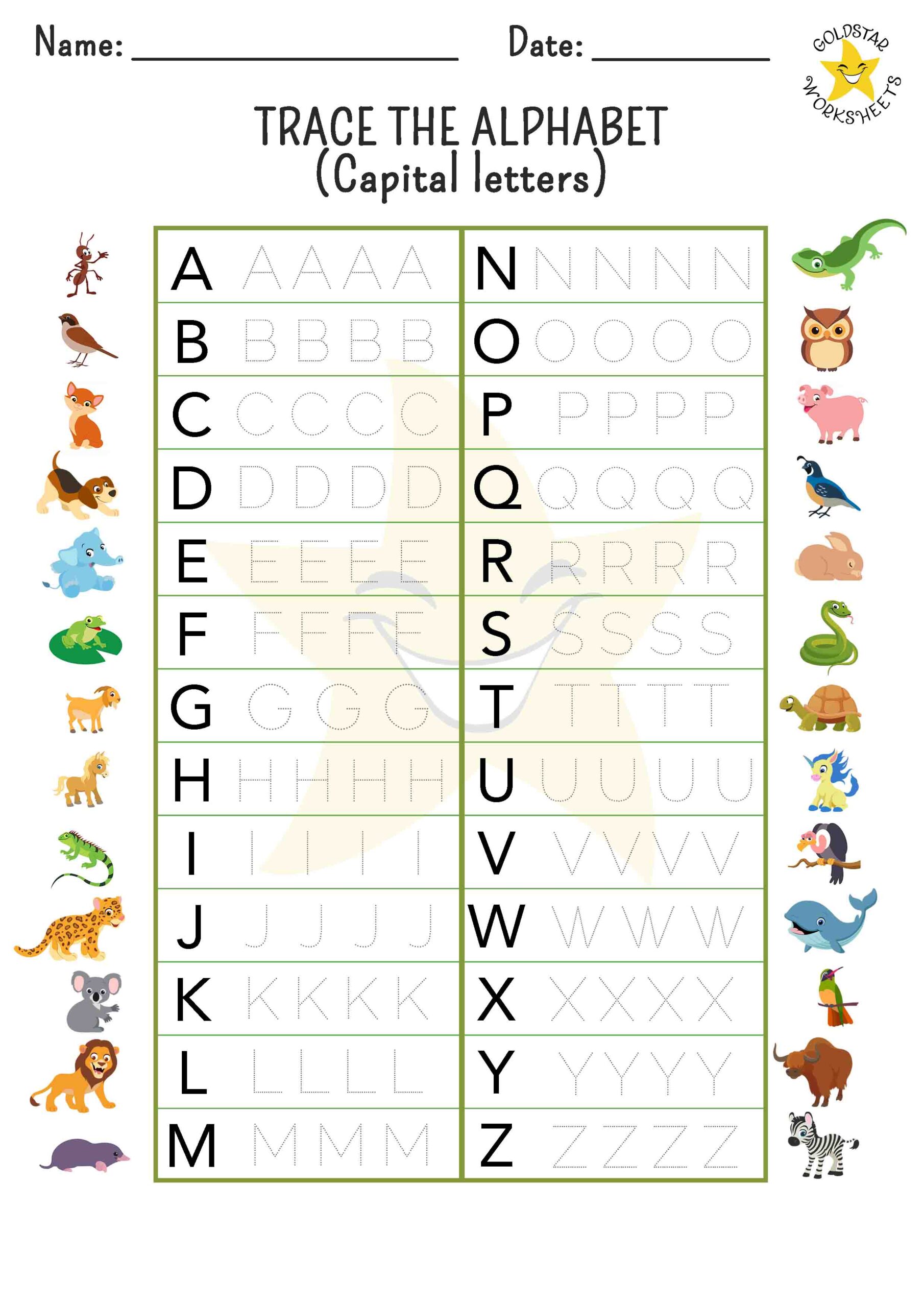
For instance, younger students (ages 4-6) benefit from engaging with the letters visually. Activities can include matching letters with objects or animals that start with the same letter. This creates a connection that reinforces their learning.
Types of A-Z Learning Printable Letters
A wide variety of printable letters are available, each serving a unique purpose in the learning process. Here are several types commonly used in classrooms and homes:
- Alphabet Tracing Sheets: Ideal for fine motor skill development, these sheets allow children to trace letters to improve handwriting.
- Flashcards: Great for quick recognition drills, flashcards can be used in games or solo study sessions.
- Coloring Pages: Combining creativity and learning, these pages encourage children to color letters while familiarizing themselves with their shapes.
- Letter Crafts: Printable templates can be used for craft activities, where students can create objects that start with each letter, reinforcing their understanding through play.
Each of these formats supports different aspects of learning, making it easy to find the right fit for your classroom or home.
Implementing A-Z Learning Printable Letters in Daily Activities
Integrating A-Z Learning Printable Letters into daily routines can be seamless and effective. Here are some practical suggestions for using these resources throughout the week:
Daily Letter Focus
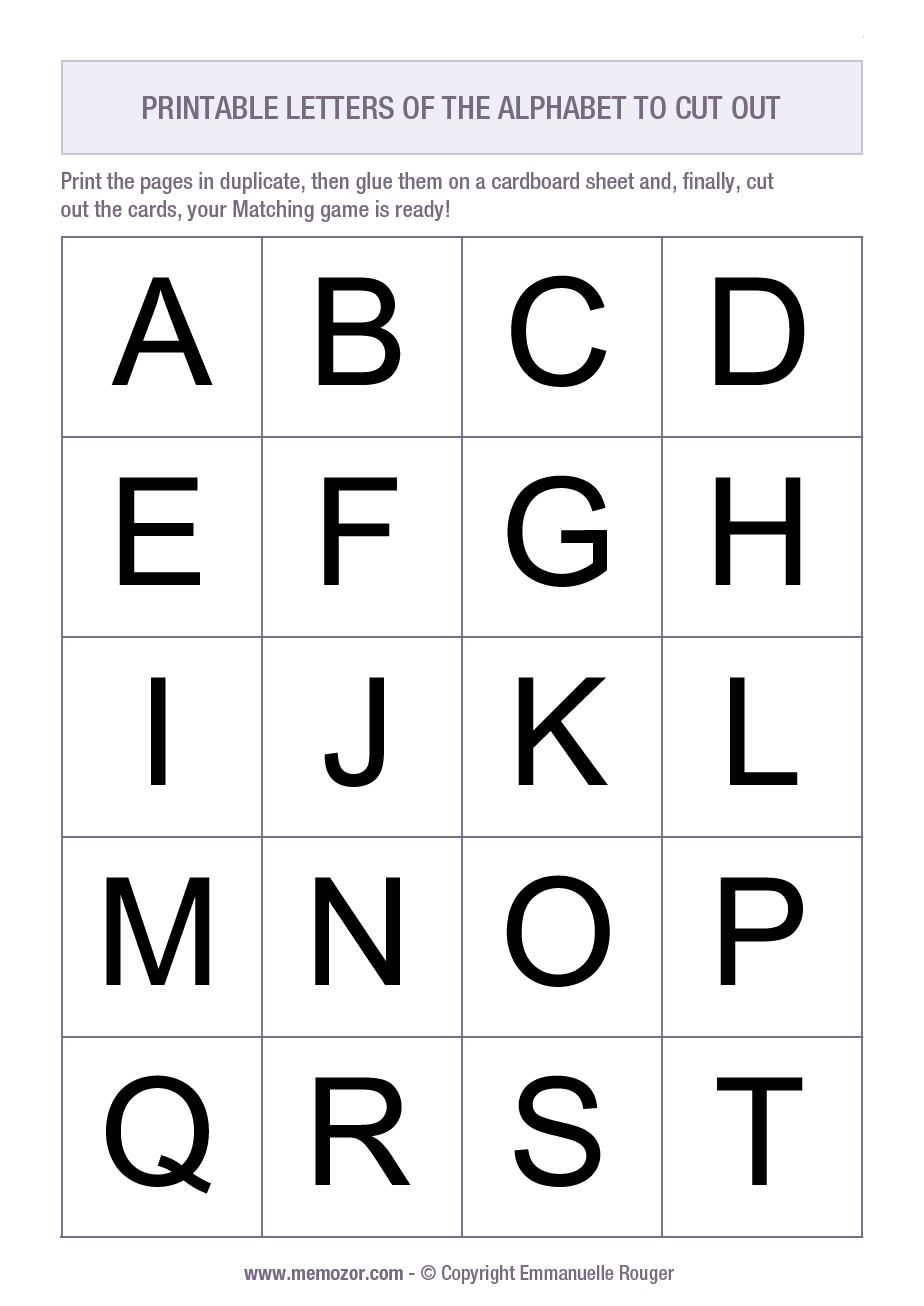
Choose one letter each day to concentrate on. Print out the corresponding A-Z Learning Printable Letter and engage in activities centered around that letter. For example:
- Monday – A: Use the letter A tracing sheet. Read a book that features animals beginning with A, like “Alligator” or “Ant.”
- Tuesday – B: Create a flashcard game with objects that start with B, such as “Ball” or “Book.”
- Wednesday – C: Provide a coloring page of the letter C and have students draw a picture of a cat to accompany it.
This approach not only reinforces the letter of the day but also spreads learning throughout the week, allowing students to digest information at a manageable pace.
Group Activities
Group activities can also be enhanced with A-Z Learning Printable Letters. Consider organizing a letter scavenger hunt where students find objects in the classroom that begin with the day’s letter. This interactive approach promotes teamwork and reinforces letter recognition in a fun way.
Take-Home Resources
Sending home A-Z Learning Printable Letters can extend learning beyond the classroom. Parents can engage in activities like letter tracing or flashcard games with their children, ensuring that letter recognition is practiced regularly. This strategy fosters a partnership between home and school, enhancing the learning experience.
Tips for Printing and Using A-Z Learning Printable Letters
When preparing to print A-Z Learning Printable Letters, keep these practical tips in mind:
- Paper Type: For worksheets and tracing activities, standard printer paper is sufficient. However, using cardstock can make letters more durable, especially for flashcards and crafts. Cardstock holds up better if you plan to laminate the letters for repeated use.
- Printing Settings: Ensure that your printer is set to high-quality print settings for the best results. This will help the letters appear crisp and clear, making them easier for children to recognize.
- Size Considerations: If printing for a large group, consider larger font sizes or multiple letters per page to save on printing costs. Portrait layout tends to work better for most home printers, allowing for efficient use of space.
- Organization: Store printed letters in a binder or folder categorized by letter. This makes it easy to access and select resources during lessons.
Engaging With A-Z Learning Printable Letters Beyond the Basics
While the primary focus of A-Z Learning Printable Letters is letter recognition, there are many ways to enhance learning through creativity and play:
Thematic Units
Create thematic units around letters. For example, for the letter D, focus on dinosaurs. Use printable letters to craft stories, engage in discussions, and create art projects that all center around dinosaurs, combining literacy with thematic learning.
Technology Integration
For tech-savvy classrooms, consider integrating printable letters into digital learning platforms. Children can trace letters using tablets or computers, combining traditional methods with modern technology. This can aid in keeping students engaged and excited about learning.