
A-Z Alphabet Worksheets Kindergarten are essential tools for teachers aiming to cultivate early literacy skills in young learners. These worksheets offer a structured yet engaging way for kindergarten students to familiarize themselves with the alphabet. The design and layout of these worksheets help educators implement effective teaching strategies in both classroom and home settings. In this guide, we’ll explore the features of these worksheets, how to use them effectively, and tips for maximizing their impact on student learning.
Features of A-Z Alphabet Worksheets
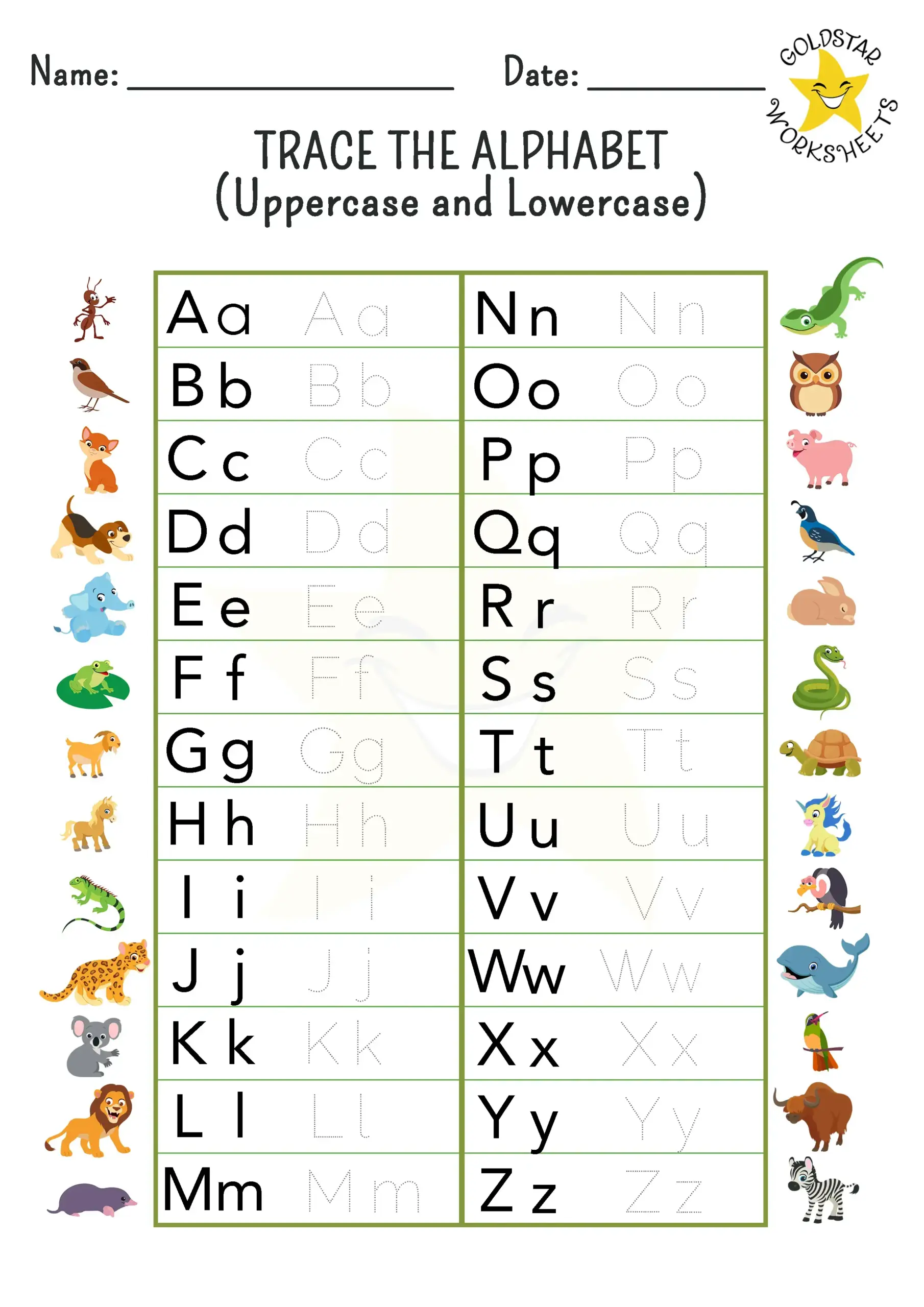
The A-Z Alphabet Worksheets Kindergarten typically feature a variety of activities that cater to different learning styles. Each worksheet includes a letter of the alphabet, often accompanied by an illustration that corresponds to words starting with that letter. For example, the letter “A” might feature an apple, while “B” could showcase a ball. This visual connection aids memory retention.
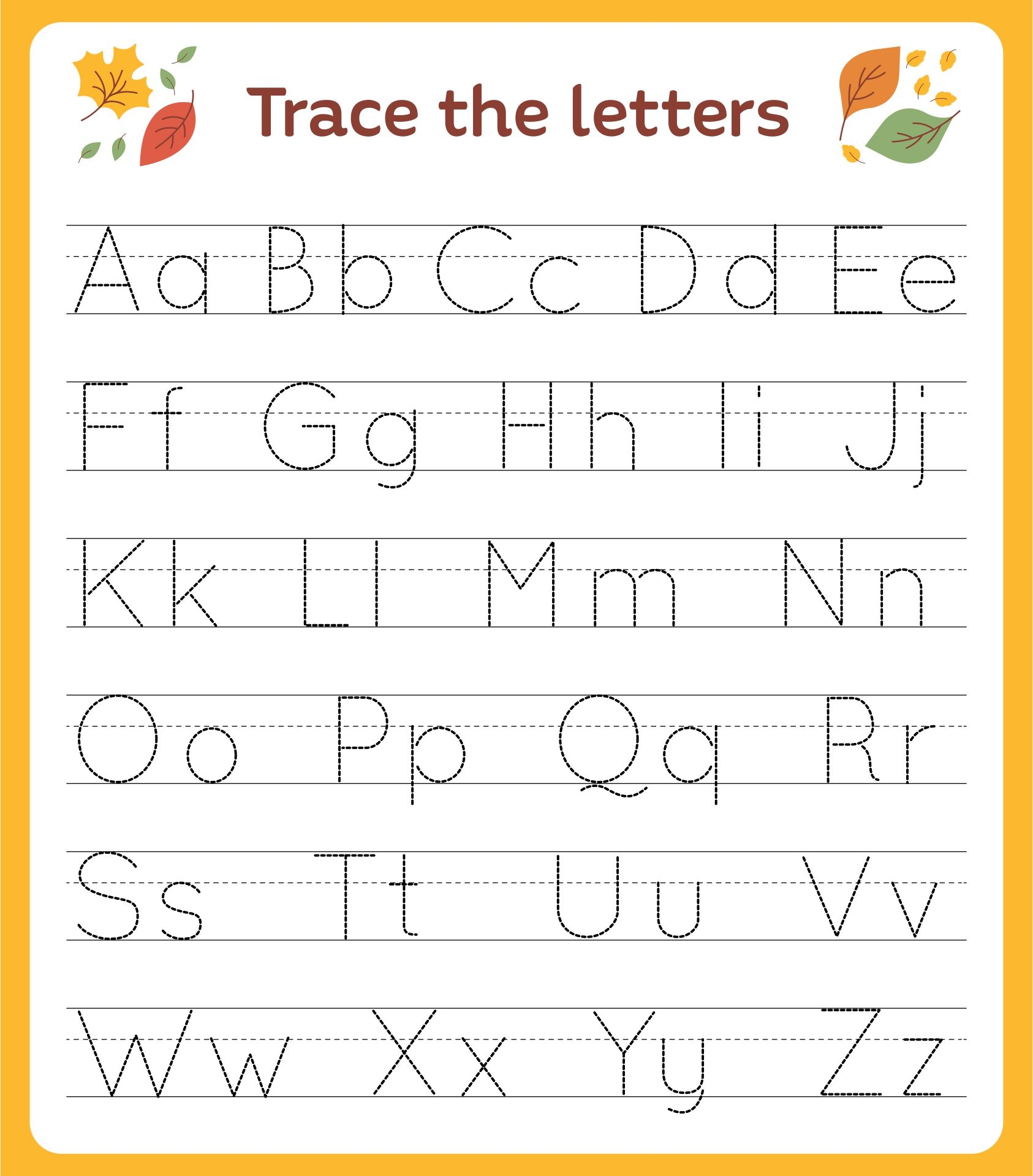
Additionally, these worksheets often contain sections for tracing, coloring, and writing. The combination of visual, auditory, and kinesthetic activities makes these worksheets particularly effective for young learners.
You’ll find that each worksheet usually includes:
- A large letter for tracing
- An illustration to color
- Lines for writing the letter
- Space for students to draw their own items that start with that letter
This variety helps maintain student interest and caters to diverse learning preferences.
How to Use A-Z Alphabet Worksheets in the Classroom
Using A-Z Alphabet Worksheets effectively requires some planning. Here’s a step-by-step approach for teachers:
- Introduce the Letter: Begin with a brief introduction to the letter of the day. Use visual aids or real-life objects to demonstrate the letter’s sound and form.
- Distribute Worksheets: Hand out the corresponding A-Z Alphabet Worksheets. Make sure each student has their own copy to work on.
- Demonstrate Activities: Walk the class through each component of the worksheet. Show them how to trace the letter properly and encourage them to say the letter sound as they trace.
- Independent Work: Allow students to work independently or in pairs. This encourages collaboration and peer learning.
- Review and Discuss: After the worksheets are completed, gather the students for a review. Discuss the illustrations and ask students to share what they drew or colored.
These steps not only help reinforce the alphabet but also foster a community learning environment.
Printing and Preparing Worksheets
When preparing the A-Z Alphabet Worksheets for your class, consider these practical tips:
- Print in Bulk: If you have a large class, print multiple copies at once. Most worksheets are designed to fit standard letter-sized paper (8.5” x 11”), which most printers can handle without any hassle.
- Use Quality Paper: For worksheets that will be colored or handled frequently, consider using cardstock. It holds up better to wear and tear compared to standard printer paper.
- Lamination Options: If you plan to reuse the worksheets, laminating them is a great option. This allows students to use dry-erase markers for tracing and writing, making cleanup easy.
- PDF Format: Ensure you’re using the PDF version of the worksheets to avoid any formatting issues that can arise when using image files.
By following these tips, you’ll save time and ensure that your materials are ready for effective use.
Incorporating Worksheets Into Daily Routine
Integrating A-Z Alphabet Worksheets into your daily routine can be seamless. Here’s how to do it:
- Morning Warm-Up: Start each day with a quick alphabet review. Select a worksheet that corresponds to the letter of the day, allowing students to engage with the material right at the start.
- Learning Stations: Set up learning stations in your classroom where students can rotate through different activities. One station can focus on alphabet worksheets while others focus on phonics games or reading.
- Homework Assignments: Send the worksheets home as homework. This reinforces what they learned in class and allows parents to be involved in their child’s education.
Using these approaches can enhance the learning experience and provide students with ample opportunities to practice their skills.
Assessing Student Progress
Assessment is an important part of the learning process, especially in early childhood education. Here are some practical ways to assess students’ understanding of the alphabet using the worksheets:
- Check Tracing and Writing: Review students’ tracing and writing on their worksheets. Look for proper letter formation and consistency in size.
- Illustration Discussions: Ask students to explain their drawings or the illustrations on the worksheet. This can reveal their understanding of the letter and associated vocabulary.
- Group Feedback: Use group discussions to gather feedback on what students enjoyed about the worksheets. This can help you understand which activities resonate the most.
- Create a Portfolio: Keep a portfolio of each student’s worksheets throughout the year. This not only tracks progress but also serves as a fun keepsake for parents.
By implementing these assessment strategies, you can gauge student progress effectively and adapt your teaching methods accordingly.