
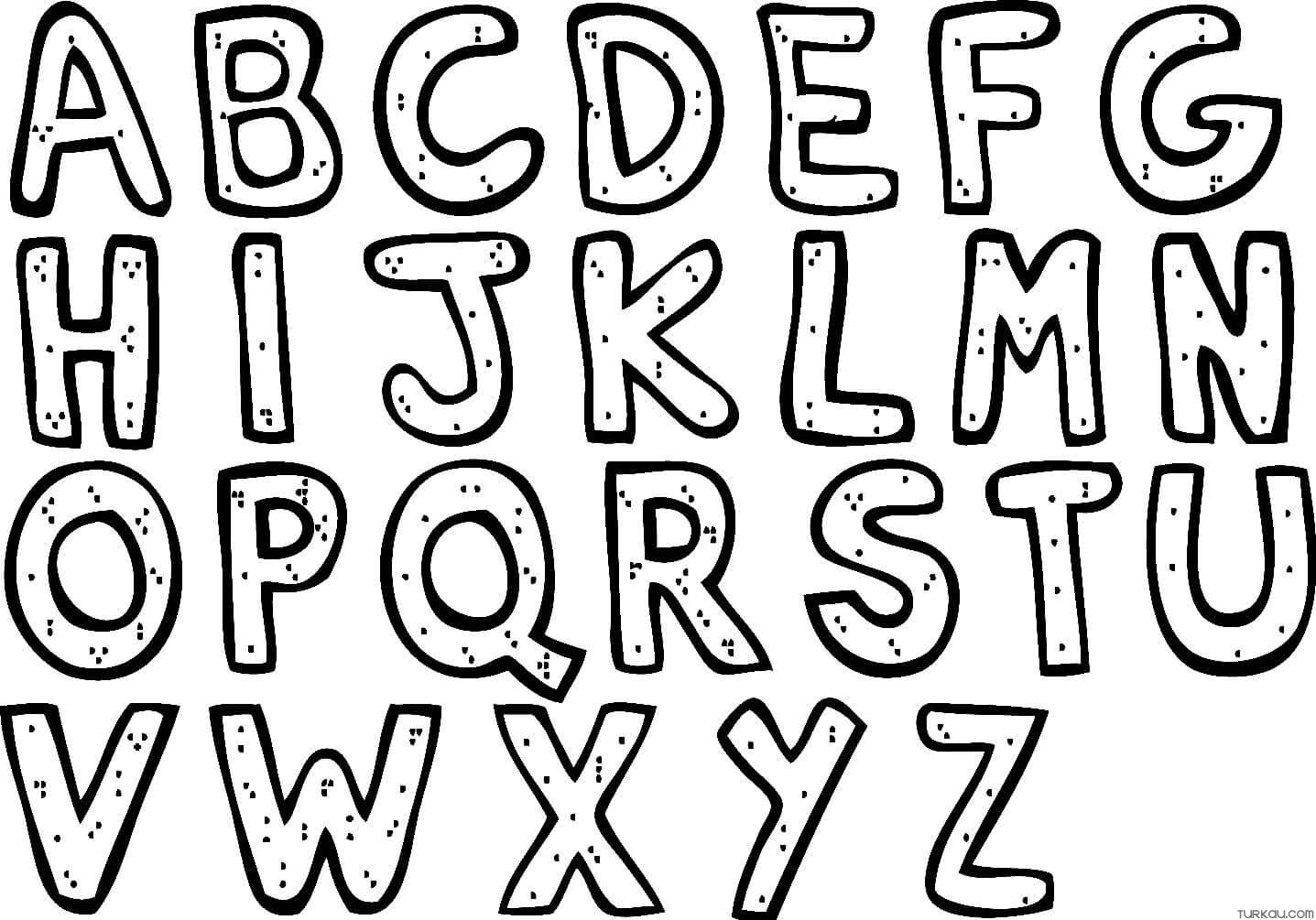
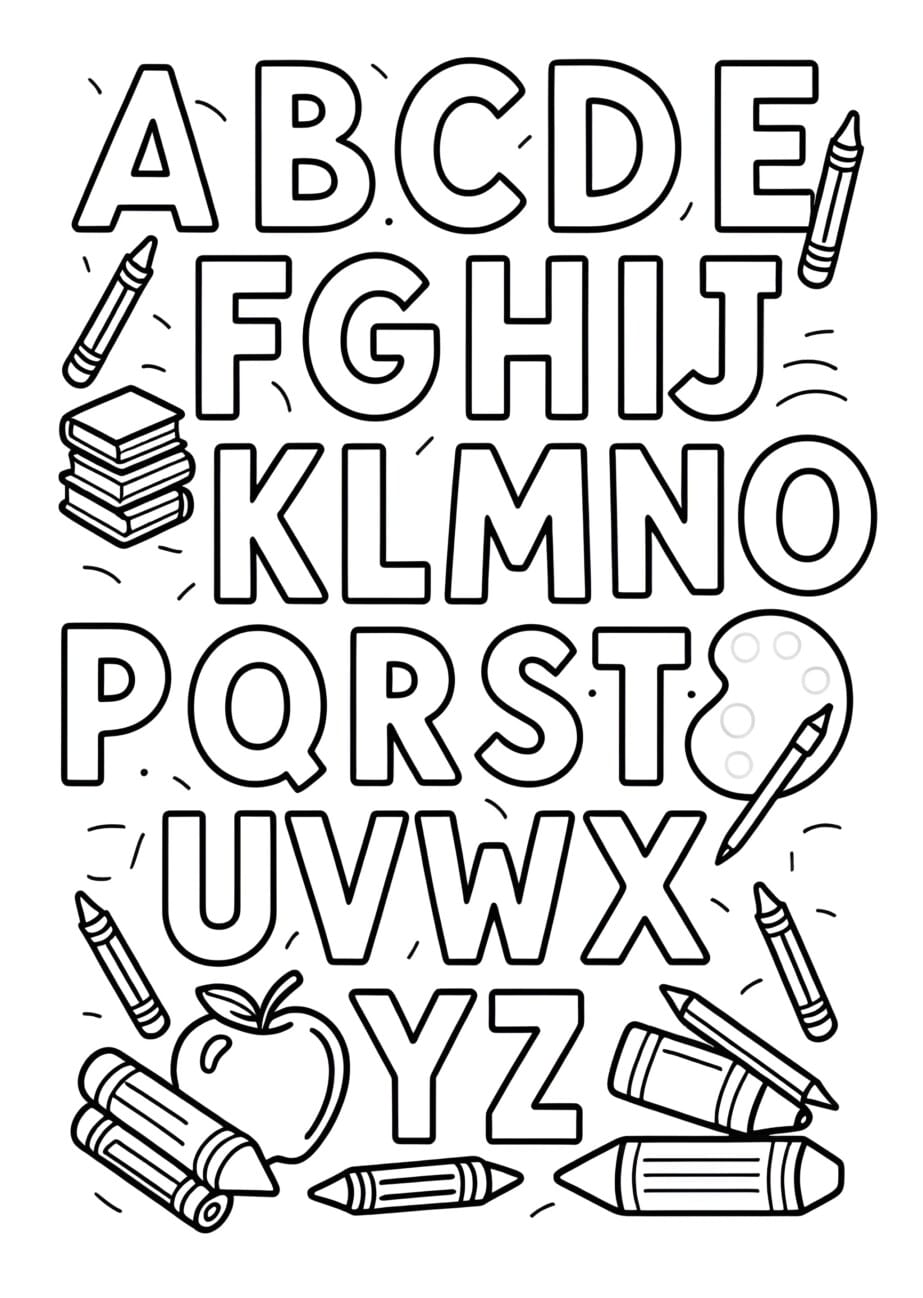
Using A To Z Alphabets for Colouring can be an effective way to help young learners master letter recognition while fostering creativity. This resource typically features a series of alphabet pages, each representing a letter from A to Z, often accompanied by fun illustrations that children can colour in. The printable format makes it easy to access and use in various educational settings, from classrooms to home schooling environments.
Understanding the Layout of Alphabet Colouring Pages
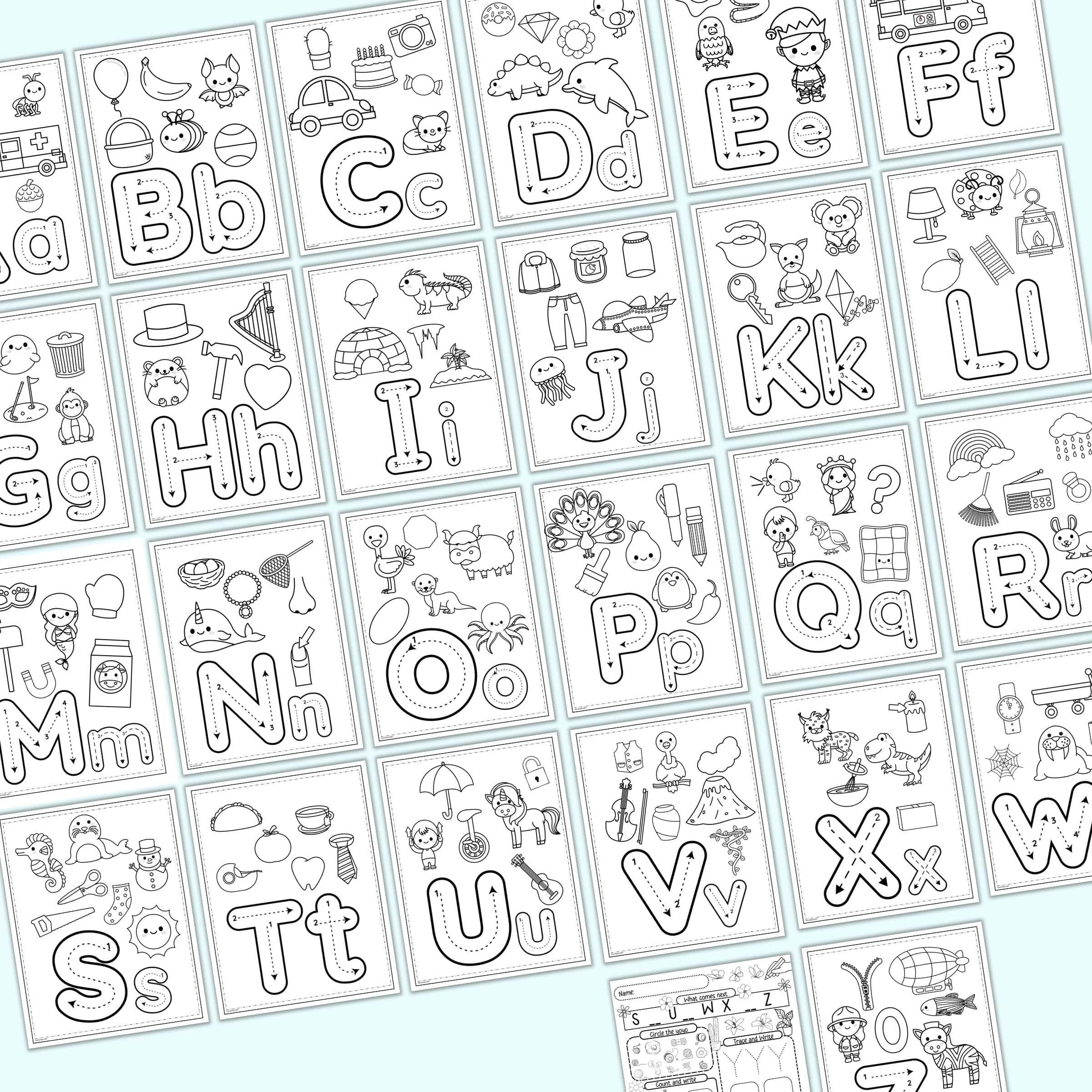
Alphabet colouring pages usually come in a standard format that consists of large, bold letters, making them easy for young children to recognize. The letters are often surrounded by themed illustrations or images that correspond to the letters themselves—think “A” with an apple or “B” with a balloon. This visual association helps solidify the connection between the letter and its sound, an essential part of early literacy skills.
The pages are typically designed to be printed in standard letter size (8.5 x 11 inches), allowing for easy printing at home or in schools. When preparing to print, it’s advisable to use good quality paper, preferably cardstock, to make the colouring experience more enjoyable and durable, especially if the pages will be used multiple times.
Age Appropriateness and Learning Levels
A To Z Alphabets for Colouring resources are generally suitable for preschool to early elementary students, typically ages 3 to 7. At this stage, children are developing fine motor skills, and colouring activities can significantly improve hand-eye coordination. Teachers and parents can guide children through the alphabet, helping them sound out letters while they colour.
For preschoolers, simple instructions and clear visuals will allow them to work independently. As they advance into kindergarten and first grade, these colouring pages can be used to reinforce letter sounds, vocabulary, and even early writing skills, as children may be encouraged to write the letters below their coloured images.
Independent Practice: Essential Features
One of the key elements of effective alphabet colouring pages is their design for independent use. Each page should include simple instructions that children can easily understand, such as “Colour the letter A and all the images that begin with A.” This clarity allows children to engage with the resource without needing constant supervision, making it an excellent tool for both classroom and home settings.
Consider including the following features in your alphabet colouring pages:
- Large, bold letters: This helps children easily identify and focus on the letter.
- Relevant images: Associating letters with images encourages children to think about words and sounds.
- Instructions: Simple, direct instructions that are easy to follow will facilitate independent use.
Creative Uses Beyond Colouring
While the primary function of A To Z Alphabets for Colouring is to promote letter recognition and fine motor skills through colouring, there are numerous creative ways to expand the use of these resources. Here are some suggestions:
- Word Walls: Use the coloured letters to create a word wall in the classroom. Once children complete their pages, they can display them to reinforce their learning.
- Story Creation: After completing their colouring, children can write a short story using words that start with the letters they coloured. This can be a fun way to combine art and literacy.
- Interactive Games: Transform the colouring pages into interactive activities. For example, have children pick a letter and find items in the classroom that start with that letter.
Downloading and Printing Considerations
When seeking A To Z Alphabets for Colouring resources, it’s essential to find printable templates that are easily accessible. Many educational websites offer these resources as downloadable PDFs, which are ideal for preserving the layout and ensuring quality printing.
Here are a few tips for optimal printing:
- Check Print Settings: Use the “fit to page” option to ensure the letters and images are not cut off during printing.
- Choose the Right Paper: As mentioned earlier, cardstock is preferable for durability, especially if children will use markers or watercolours.
- Color Calibration: If using colour printers, ensure the settings are calibrated for bright, vivid colours to enhance the colouring experience.
Exploring Additional Educational Benefits
Engaging with A To Z Alphabets for Colouring can yield various educational benefits beyond simple colour recognition. These activities can encourage discussions about letters, sounds, and words. Teachers can incorporate them into broader lesson plans that include phonics, vocabulary development, and even art lessons.
Moreover, colouring can serve as a calming activity, allowing children to focus and express themselves creatively. It also promotes relaxation, which can be beneficial during transitions or after more intensive learning activities.
The combination of art and education in these resources makes them versatile tools in any educational toolkit. They not only aid in cognitive development but also provide a creative outlet for young learners.
In summary, A To Z Alphabets for Colouring is a multifaceted resource that supports early learning in a fun and engaging way. The thoughtful layout, clear instructions, and potential for creative expansion make these printable materials invaluable for teachers and parents alike.