
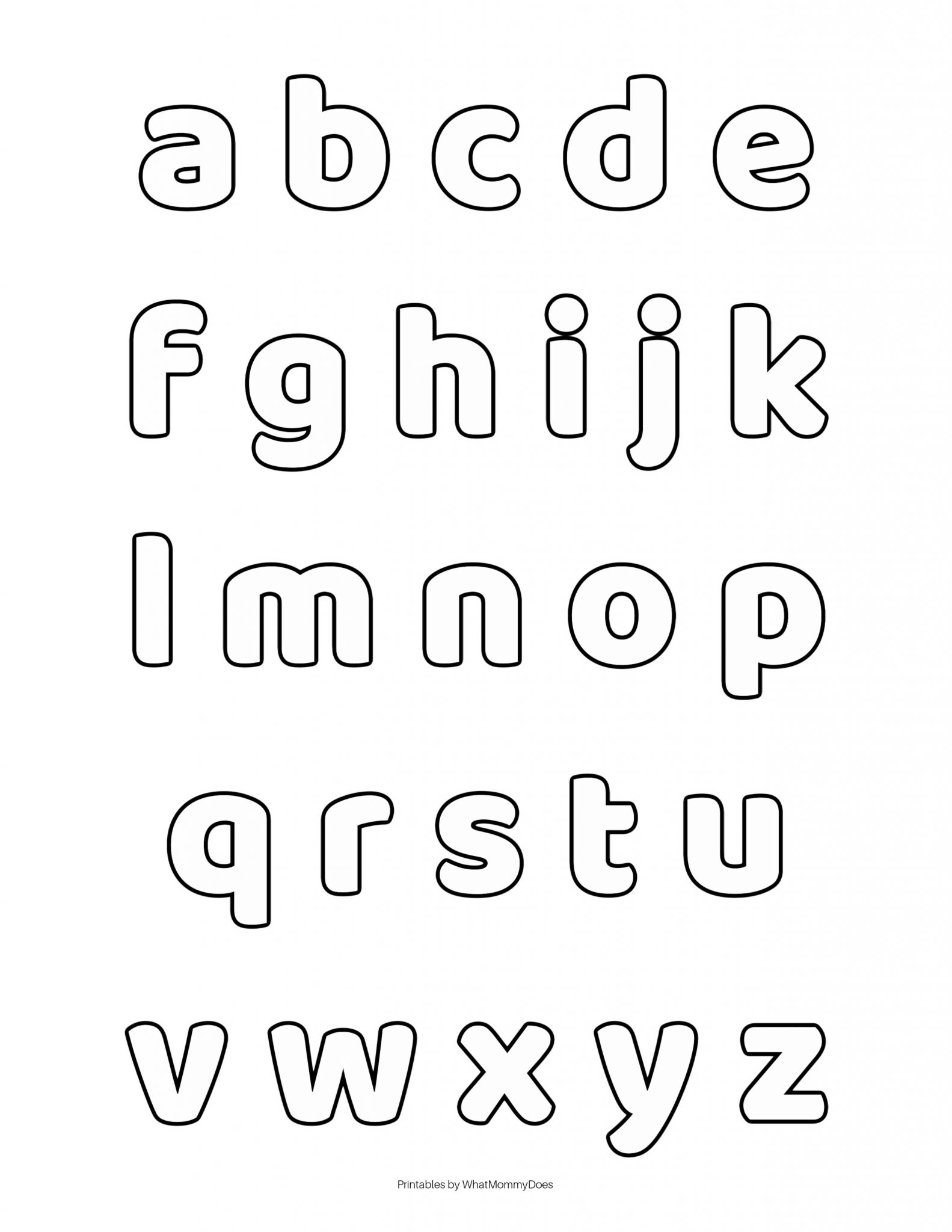
When teaching young learners, especially preschool and early elementary students, incorporating fun activities is essential for effective learning. One fantastic resource to include in your lesson plans is the A To Z Alphabet Small Letters For Coloring. This printable resource helps children recognize and practice the lowercase letters of the alphabet while engaging their artistic side.
Understanding the Resource
The A To Z Alphabet Small Letters For Coloring typically consists of 26 individual pages, each featuring a lowercase letter from ‘a’ to ‘z.’ These pages allow children to color in the letters, which can enhance fine motor skills and reinforce letter recognition. As children color, they can verbally associate sounds and words that begin with each letter, making this resource a valuable tool for literacy development.
Age Appropriateness
This resource is suitable for children in preschool through early elementary grades, typically ages 3 to 7. It’s perfect for teachers, parents, and caregivers looking to help kids with letter recognition, phonics, and creative expression.
Choosing the Right Format
When downloading the A To Z Alphabet Small Letters For Coloring, you’ll likely encounter various formats. PDFs are often the best choice for printing, as they maintain formatting across different devices. Ensure you check the file size and layout before downloading to avoid any printing issues.
Print Settings
Here are some tips for optimal print settings:
- Paper Size: Standard letter size (8.5 x 11 inches) is commonly used for printing these resources.
- Orientation: Portrait layout works best for this type of coloring page.
- Quality: Select a high-quality print setting to ensure that the lines are clear and sharp, making it easier for children to color.
Setting Up the Activity
Once you’ve downloaded and printed the A To Z Alphabet Small Letters For Coloring, you can set up the activity in a few simple steps:
- Gather Supplies: Provide a variety of coloring materials such as crayons, markers, or colored pencils. This variety allows children to choose their preferred medium, increasing engagement.
- Create a Comfortable Workspace: Set up a designated area with good lighting and enough space for children to spread out comfortably.
- Introduce the Letters: Before starting, go through each letter with the children. You can point out the letter, say its name, and provide examples of words that begin with that letter. This not only reinforces recognition but also builds vocabulary.
Spacing Out Practice
Rather than having children complete all 26 letters in one sitting, consider spacing out the coloring activities over a week. This approach allows for repeated exposure, which is crucial for memory retention. For example, you could focus on 5 letters a day, reviewing previously colored letters at the beginning of each session.
Incorporating Learning Extensions
To enhance the learning experience further, consider integrating related activities:
- Letter Sounds: As children color, encourage them to say the sound of the letter they’re working on. This phonetic connection is essential for reading skills.
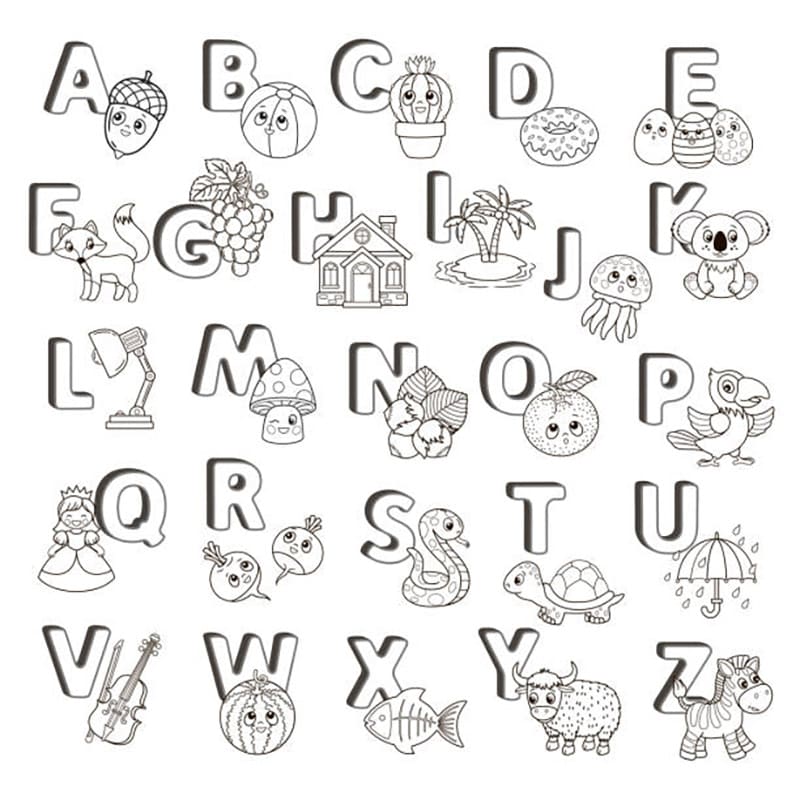
- Word Association: After coloring each letter, ask children to name objects or animals that start with that letter. This activity can be done verbally or by creating a word list on a board.
- Creative Writing: For older children, once they’ve completed the coloring, you could ask them to write a simple sentence using words that start with that letter. This could be a fun way to combine art and literacy.
Using A To Z Alphabet Small Letters For Coloring at Home
If you’re a parent or caregiver, the A To Z Alphabet Small Letters For Coloring can easily be integrated into everyday learning at home. Here are some practical ideas:
- Daily Coloring Routine: Set aside time each day for coloring. This can be part of a morning routine or a relaxing activity before bedtime.
- Incorporate into Playtime: Use the coloring pages as part of a larger play activity. For instance, after coloring, you could play a game where children find objects around the house that start with the letter they just colored.
- Create a Home Alphabet Book: Once all letters are colored, compile them into a booklet. This can serve as a personal alphabet book for children to refer to as they learn and grow.