
Teaching the alphabet to four-year-olds can be both exciting and challenging. The 4 Year Old Worksheets Of Alphabet stand out as a valuable resource, combining fun activities with educational objectives. These worksheets not only engage young learners but also provide a structured approach to mastering the alphabet. Here’s how to effectively use these worksheets in your classroom or home setting.
Understanding the Layout of the Worksheets
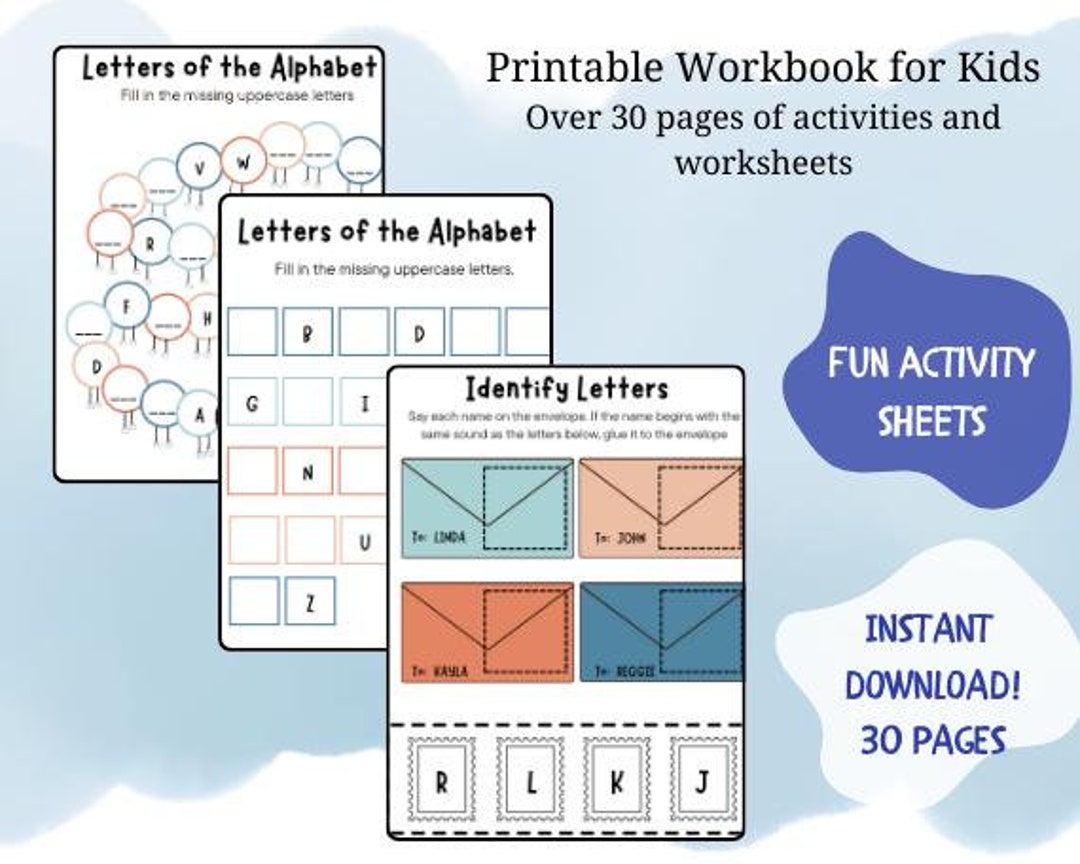
Each worksheet in the 4 Year Old Worksheets Of Alphabet is designed with a clear and vibrant layout that captures children’s attention. Typically, you’ll find colorful illustrations paired with each letter, which helps children associate the letter with its corresponding sound and object.
The worksheets often include sections for tracing letters, identifying pictures, and even coloring activities. This multifaceted approach caters to various learning styles. For example, visual learners will benefit from the illustrations, while kinesthetic learners can engage in writing and coloring.
When preparing these worksheets for a classroom, consider printing them in a portrait layout. This format tends to work better for most home printers and allows for easier distribution to young students.
Activities Included in the Worksheets
The activities you’ll find in the 4 Year Old Worksheets Of Alphabet are diverse and engaging. Here’s a breakdown of common types of activities included:
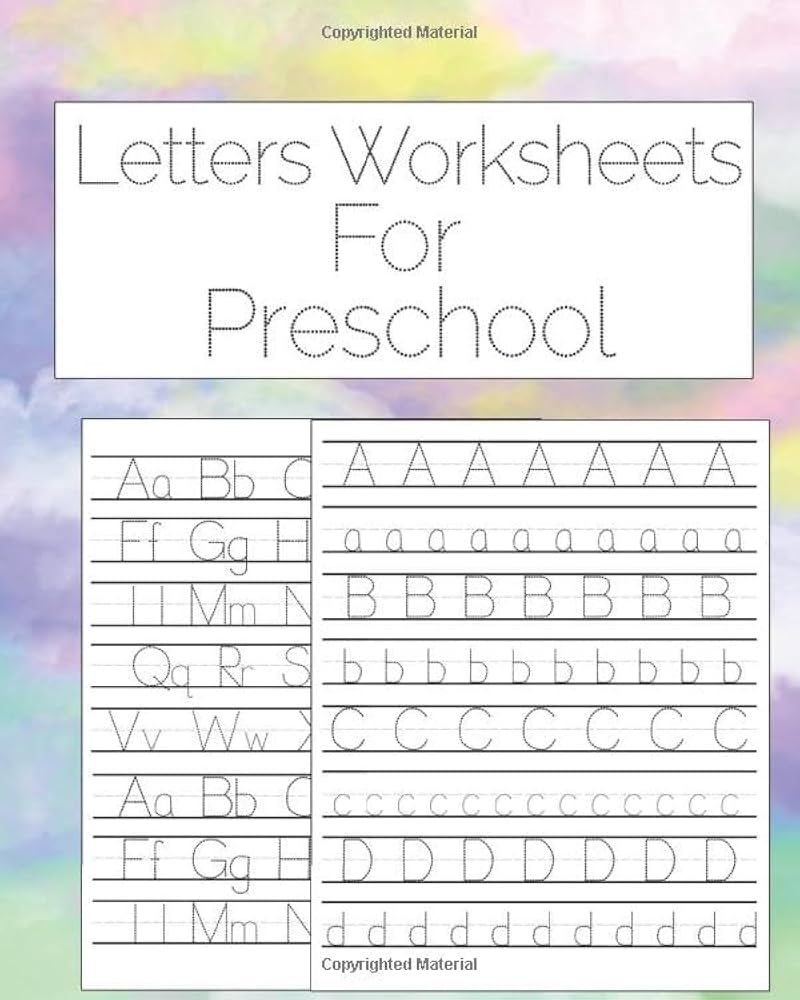
- Letter Tracing: Children practice writing both uppercase and lowercase letters, which helps develop their fine motor skills.
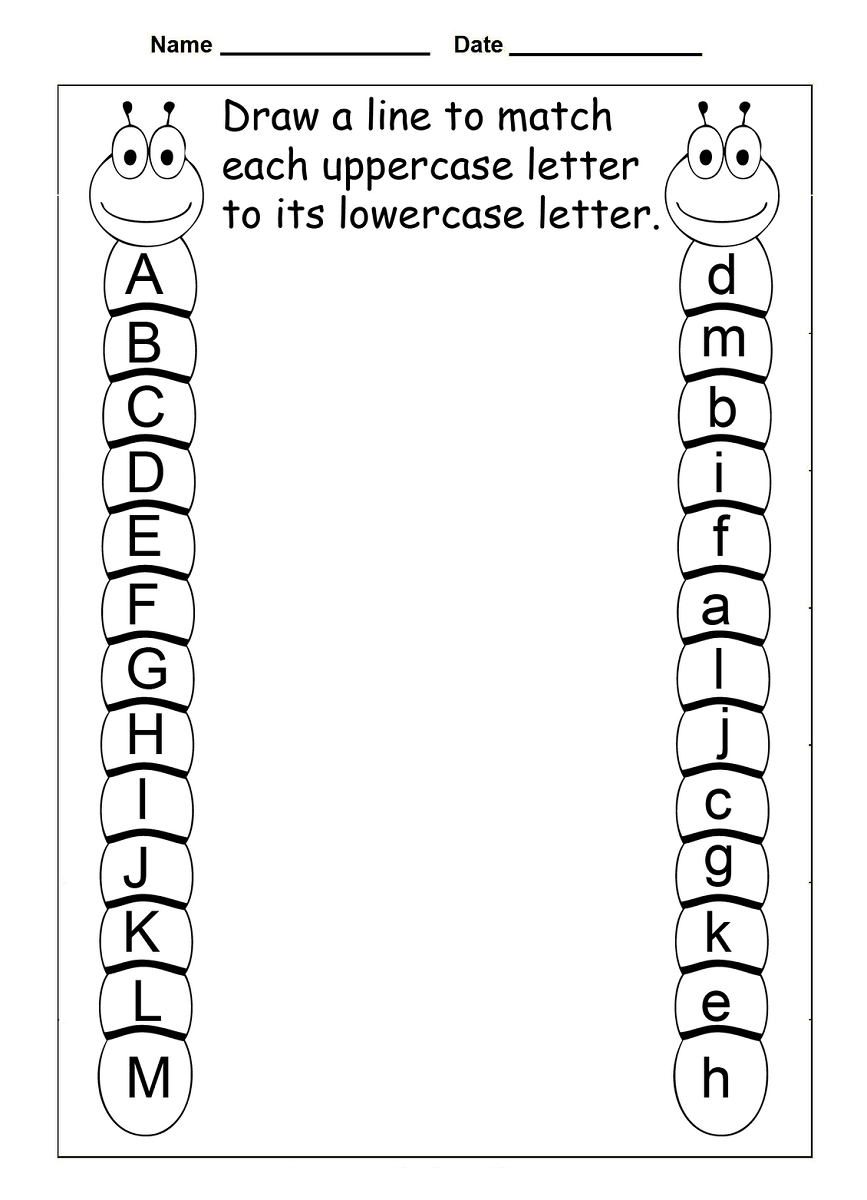
- Matching Games: Some worksheets may include matching letters to pictures (e.g., “A” for “Apple”), reinforcing letter recognition.
- Coloring Pages: Each letter usually comes with a fun coloring activity, allowing children to express creativity while learning.
These activities are designed to be simple yet effective, ensuring that children can complete them independently or with minimal guidance. This independence is crucial for building confidence in their abilities.
Classroom Logistics: Printing and Distribution
When using the 4 Year Old Worksheets Of Alphabet in a classroom setting, it’s essential to consider logistics. If you have a full class, printing in bulk can save time and effort. Here are a few tips:
- Paper Quality: Use cardstock if you plan to laminate the worksheets for reuse. This material holds up well and can be wiped clean.
- Print Settings: Adjust your printer settings to ensure high-quality prints. Choosing the “best” quality setting often yields vibrant colors that engage kids.
- Answer Key: If worksheets include exercises that require grading, consider creating a simple answer key. This will help you provide quick feedback to your students.
In a homeschool setting, you might opt for a more personalized approach by selecting specific worksheets that cater to your child’s interests.
Grading and Feedback Mechanisms
When it comes to evaluating the worksheets, the 4 Year Old Worksheets Of Alphabet often include straightforward activities that make grading simple. For example, you can quickly assess a child’s understanding of letter recognition by checking their ability to match letters with pictures.
For feedback, consider using stickers or stamps to mark completed worksheets. This not only provides positive reinforcement but also helps children see their progress over time.
You might also want to keep a portfolio for each child, where you can store their completed worksheets. This allows for easy tracking of their development and provides a tangible way for children to see how much they’ve learned.
Enhancing Learning With Additional Resources
While the 4 Year Old Worksheets Of Alphabet are excellent on their own, pairing them with other resources can enhance the learning experience. Here are a couple of suggestions:
- Interactive Games: Incorporate alphabet games that reinforce what they’ve learned. For example, an alphabet scavenger hunt in the classroom or home can make learning dynamic and fun.
- Storytime: Read books that focus on the alphabet. This not only builds vocabulary but also helps children understand letters in context.
Combining worksheets with these additional resources can create a rich, engaging learning environment that fosters a love for reading and writing.