
Using 4 Inch Letters To Color And Cut can make learning fun and interactive for students. These printable letters are perfect for various educational activities, from enhancing literacy skills to encouraging creativity. If you are a teacher preparing for a classroom project or a parent looking for engaging activities at home, these letters provide an excellent resource.
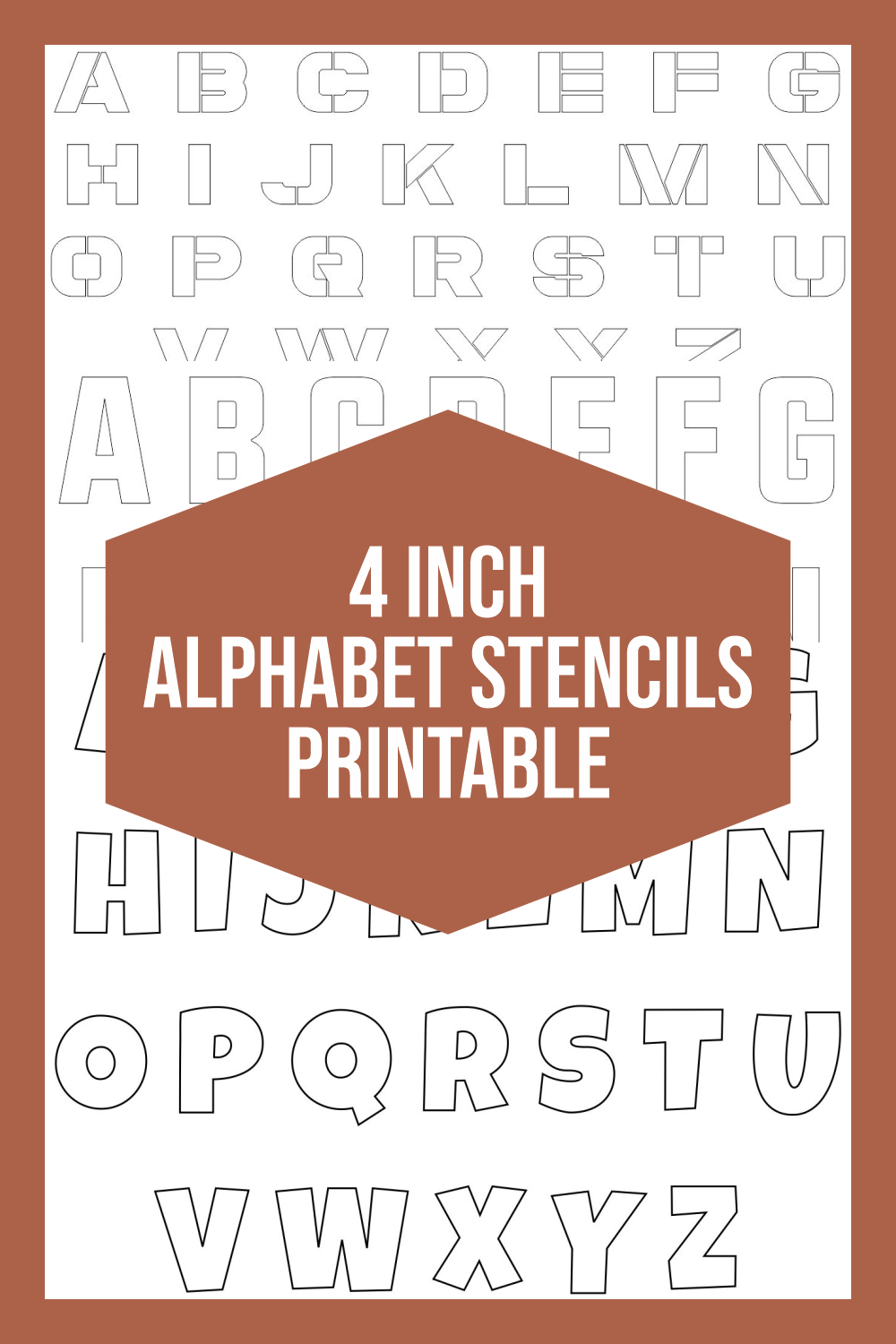
Understanding the Purpose of 4 Inch Letters
4 Inch letters are large enough for young learners to clearly see and work with, making them suitable for various classroom settings. They can be used in numerous ways, such as:
- Coloring Activities: Students can color the letters, allowing for creativity while reinforcing letter recognition.
- Craft Projects: These letters can be cut out and used in collages, bulletin boards, or classroom decorations.
- Learning Tools: Use them to create signs, labels, or displays that help children associate letters with words and sounds.
The versatility of these letters makes them ideal for preschool and early elementary grades, generally suited for ages 4 to 8.
Downloading and Printing 4 Inch Letters
When you’re ready to access the letters, look for printable PDFs. These files typically maintain formatting, ensuring that the letters print at the correct size. Here are some tips for downloading and printing:
- File Type: PDF files are preferred because they preserve the layout and design. Avoid image files that may distort when printed.
- Printer Settings: Use portrait orientation for best results. Most home printers handle standard paper sizes (8.5 x 11 inches) efficiently.
- Paper Choice: For durability, consider printing on cardstock. This thicker paper holds up better for cutting and coloring.
Make sure your printer is set to the highest quality to ensure that the letters are sharp and clear.
Creative Activities With 4 Inch Letters
Once you have your letters printed and cut out, there are numerous activities you can do with them. Here are a few ideas to incorporate into your lesson plans:
Coloring and Art Projects
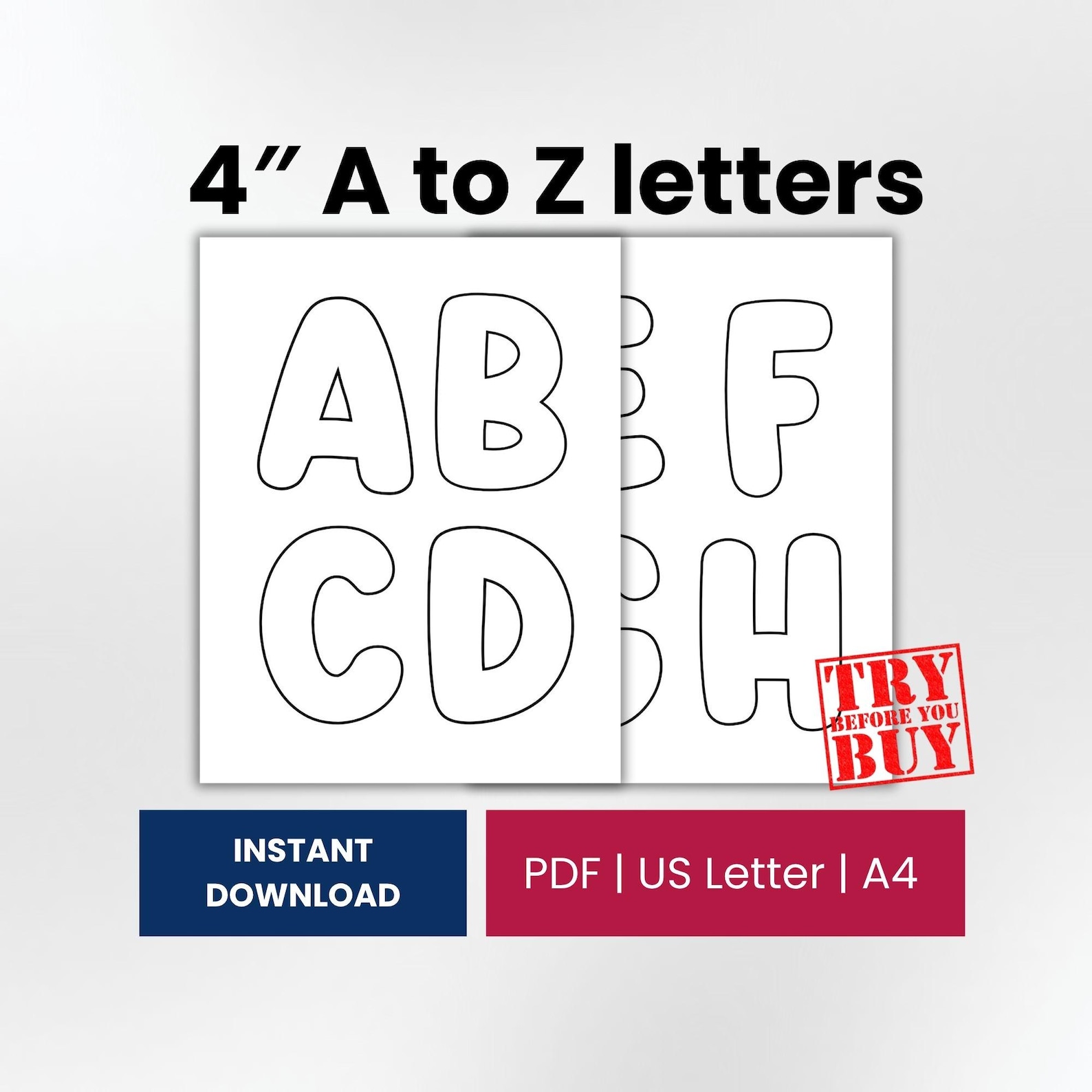
Encourage students to use their favorite colors to decorate the letters. This not only makes the activity enjoyable but also helps with fine motor skills. You can set up a coloring station with various art supplies, including markers, crayons, and glitter.
Letter Recognition Games
Use the letters for games like “Letter Bingo” or “Alphabet Scavenger Hunt.” For Bingo, create cards with different letters and let students mark them off as they find the corresponding colored letters. For the scavenger hunt, hide the letters around the classroom and have students find and identify them.
Creating Words and Sentences
Once students are comfortable with individual letters, challenge them to create simple words or phrases. This is a great way to practice spelling and vocabulary. Encourage teamwork by having students work in pairs or small groups to come up with sentences that can be displayed on walls or bulletin boards.
Spacing Out Practice for Maximum Learning
To reinforce learning, consider spacing out letter activities over a week instead of doing everything in one day. Here’s a sample schedule:
- Day 1: Introduce the letters, focusing on a few at a time. Use coloring activities to help students engage with the letters.
- Day 2: Play games that reinforce letter recognition.
- Day 3: Introduce words using the letters, encouraging students to form simple sentences.
- Day 4: Let students create their own art projects using the letters.
- Day 5: Review the letters and words learned throughout the week, possibly culminating in a mini-presentation or display.
This approach allows students to absorb information gradually, leading to better retention and understanding.
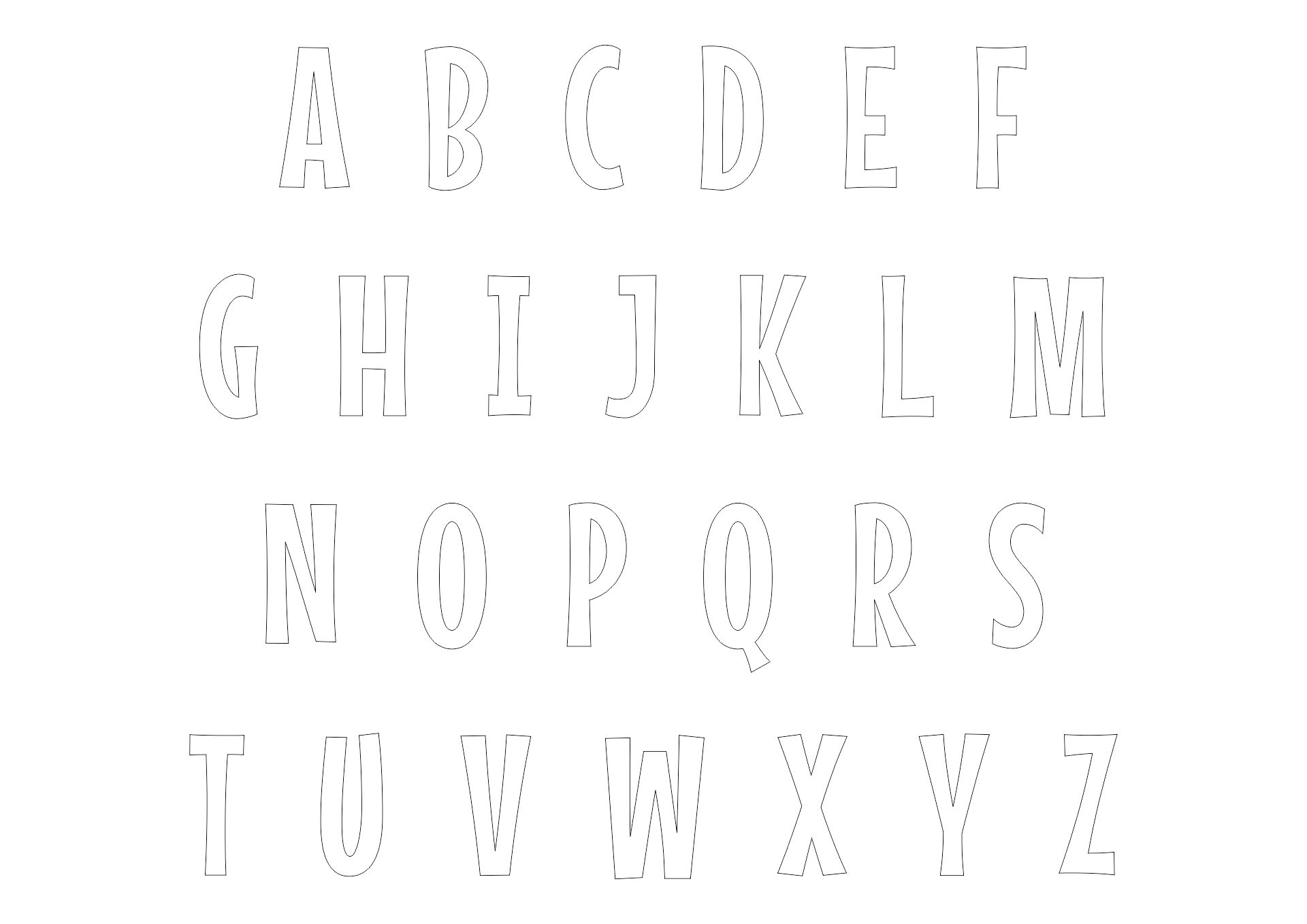
Tips for Effective Use of 4 Inch Letters
To get the most out of your 4 Inch Letters To Color And Cut, here are some practical tips:
- Organize Materials: Keep letters sorted by type or activity in labeled folders or bins. This makes it easy to find what you need when planning lessons.
- Incorporate Technology: If possible, consider using digital versions of the letters for interactive activities on tablets or smartboards. This can appeal to tech-savvy students.
- Feedback and Adaptation: After activities, gather feedback from students. What did they enjoy? What could be improved? This insight can help you adjust future lessons to better suit their needs.
By integrating these letters thoughtfully into your teaching, you can create a rich learning environment that fosters creativity and literacy skills.