
Using a 26 Letters Of The Alphabet Worksheet can significantly enhance children’s literacy skills, providing a structured way for them to engage with each letter. This worksheet typically includes all 26 letters of the English alphabet, presented in both uppercase and lowercase forms. The design is thoughtfully created to foster recognition and understanding, making it an invaluable tool for teachers and parents alike.
Understanding the Layout and Design
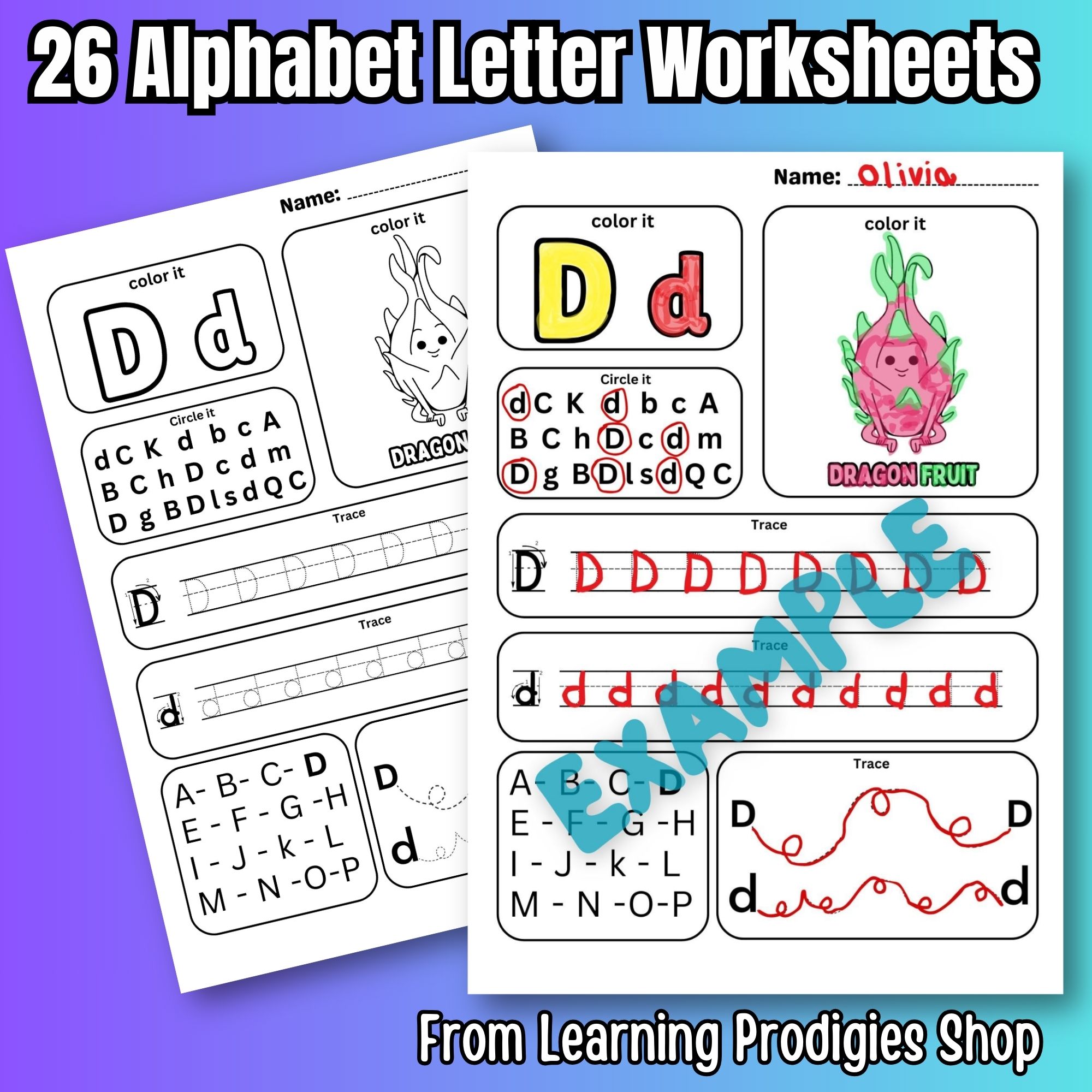
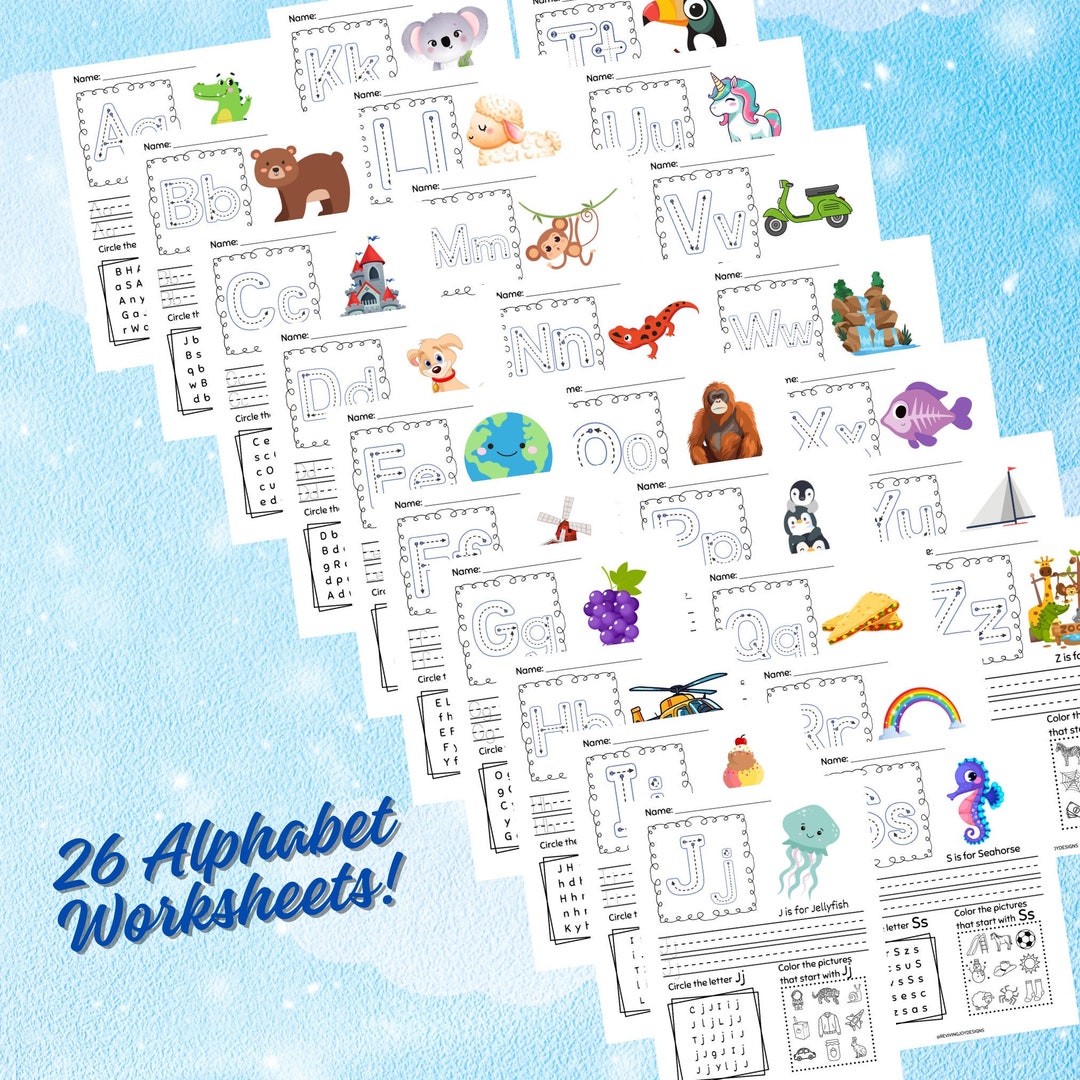
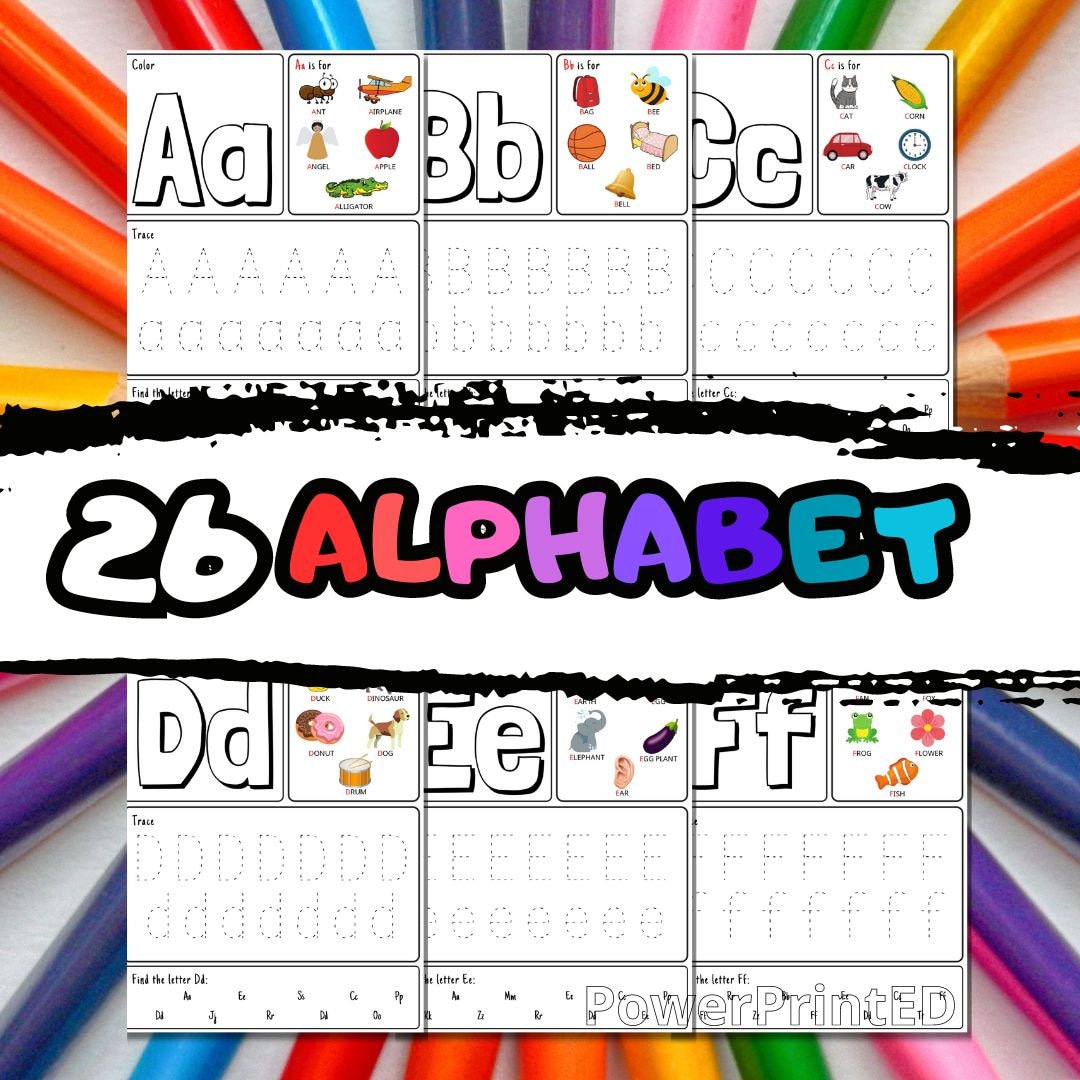
A well-designed 26 Letters Of The Alphabet Worksheet often features a clean and organized layout. Typically, each letter is presented in its own section, allowing for easy identification and focus. You’ll often find the letters accompanied by visual aids or illustrations that relate to each letter, which can aid in memory retention.
For instance, the letter “A” might be paired with an apple image, while “B” could feature a ball. This visual association not only makes the worksheet more engaging but also enhances the learning experience by linking letters to recognizable objects.
Ideal Age Range and Usage Scenarios
This worksheet is suitable for preschool and early elementary students, generally ranging from ages 3 to 7. During this stage, children are developing fundamental literacy skills, including letter recognition and phonetic sounds.
You can use the 26 Letters Of The Alphabet Worksheet in various settings:
- Classroom Activities: Incorporate the worksheet into your lesson plans. You can use it for individual practice or as part of a group activity where children can share their findings.
- Homeschooling: This resource is perfect for homeschooling parents looking to provide structured learning. It’s an excellent way to introduce letters in a fun and engaging manner.
- At Home: Parents can use the worksheet to reinforce what their children learn in school. Regular practice can significantly improve a child’s familiarity with letters.
Practical Activities to Reinforce Learning
To maximize the effectiveness of the 26 Letters Of The Alphabet Worksheet, consider incorporating various activities that complement the worksheet. Here are a few practical ideas:
- Letter Tracing: Encourage children to trace the letters with their fingers or pencils. This activity helps develop fine motor skills while reinforcing letter shapes.
- Matching Games: Use the worksheet to create matching games where children can match letters to corresponding pictures or objects. This reinforces both recognition and vocabulary.
- Sound Identification: Have children say the sound of each letter as they point to it on the worksheet. This can be an engaging way to introduce phonics.
By spreading these activities throughout the week, rather than cramming them into one session, you create a consistent learning environment that promotes retention.
Additional Features of the Worksheet
When selecting or creating a 26 Letters Of The Alphabet Worksheet, consider additional features that can enhance usability:
- Printable Format: Ensure the worksheet is in a printable format such as PDF, which retains its layout across different devices. This prevents any reformatting issues that can arise with other file types.
- Space for Creativity: Some worksheets include blank sections for children to draw or write words that start with each letter. This not only reinforces learning but also allows for creative expression.
- Coloring Elements: Integrating coloring activities can make the worksheet more appealing. Children can color each letter, which adds an element of fun to their learning process.
Integrating the Worksheet Into a Broader Curriculum
The 26 Letters Of The Alphabet Worksheet can be seamlessly integrated into a broader literacy curriculum. Here’s how to do it effectively:
- Weekly Focus: Dedicate each week to a specific letter, using the worksheet as the primary resource. Alongside it, introduce books or stories that emphasize that letter, providing contextual learning.
- Cross-Disciplinary Approaches: Use the letters to connect with other subjects. For example, during science lessons, you might highlight words like “B” for “bird” or “F” for “fish,” linking literacy with the natural world.
- Parental Involvement: Encourage parents to engage with their children using the worksheet at home. Provide tips on how they can make learning interactive, such as creating scavenger hunts for items starting with the focus letter.
By employing the worksheet in this manner, you create a rich learning experience that goes beyond mere letter recognition.
Concluding Thoughts on Using the Worksheet
The 26 Letters Of The Alphabet Worksheet is more than just a simple tool; it’s a gateway to developing foundational literacy skills in young learners. By thoughtfully incorporating the worksheet into various educational settings, you can help children build confidence in their reading and writing abilities.
One important detail to keep in mind is the need for consistent practice. Spreading activities over the week rather than cramming them into a single session allows children to absorb information more effectively, leading to lasting literacy skills.