
Teaching young children can be both rewarding and challenging, especially when it comes to letter recognition. For 2-year-olds, engaging resources are essential to make learning enjoyable. 2 Yr Old Letter A Printablecoloring Pages present an ideal solution. These coloring pages not only capture children’s attention but also introduce them to the alphabet in a playful manner.
Understanding the Importance of Coloring Pages
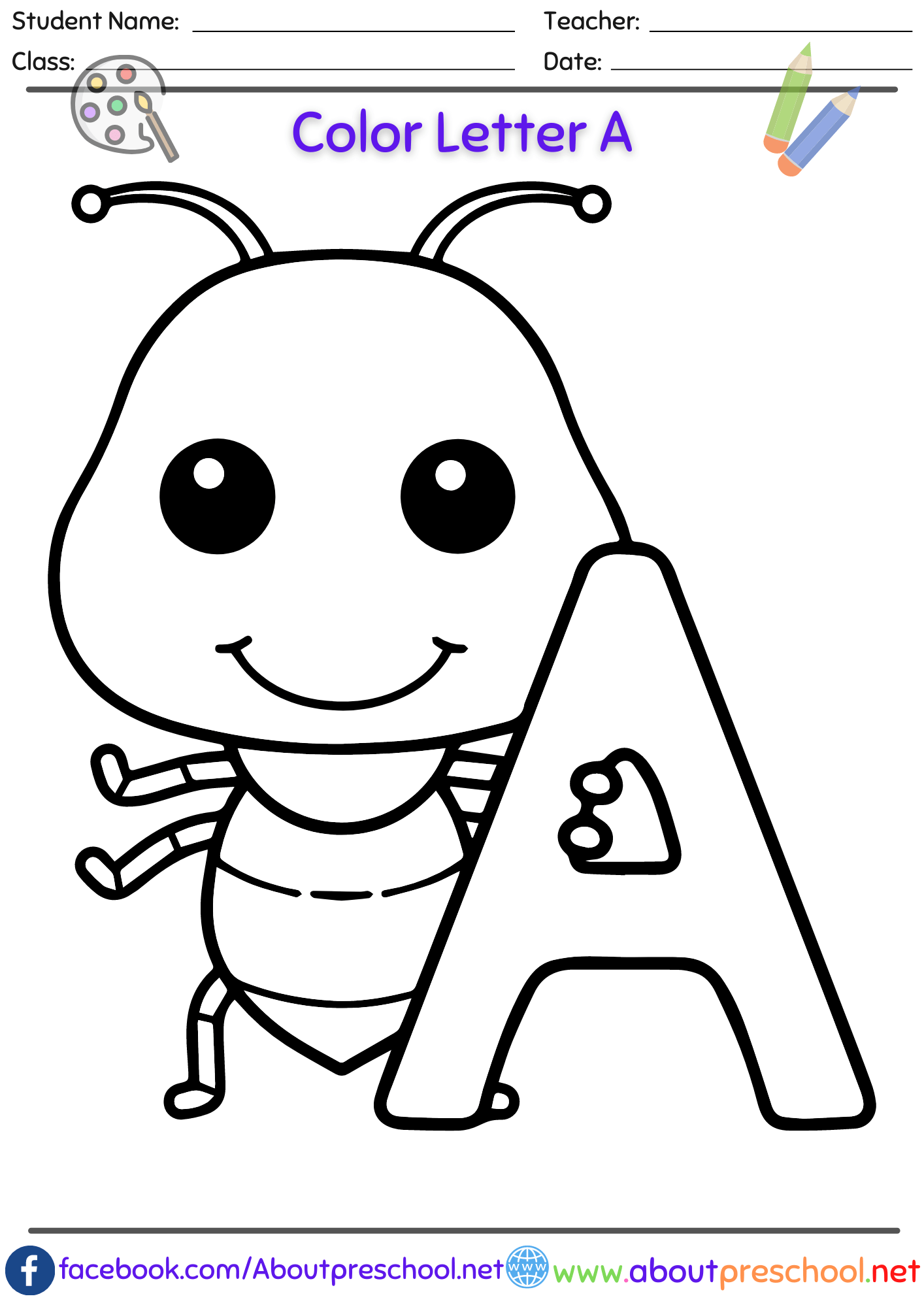
Coloring pages serve multiple educational purposes. They help develop fine motor skills as children grasp crayons or markers. Additionally, coloring can enhance focus and concentration. For toddlers, the task of coloring reinforces their understanding of shapes and letters, making it a valuable educational tool.
Choosing the Right Printable Coloring Pages
When selecting 2 Yr Old Letter A Printablecoloring Pages, consider the following:
- Visual Appeal: Look for pages that feature large, simple designs. Bright colors and engaging characters can attract a child’s attention.
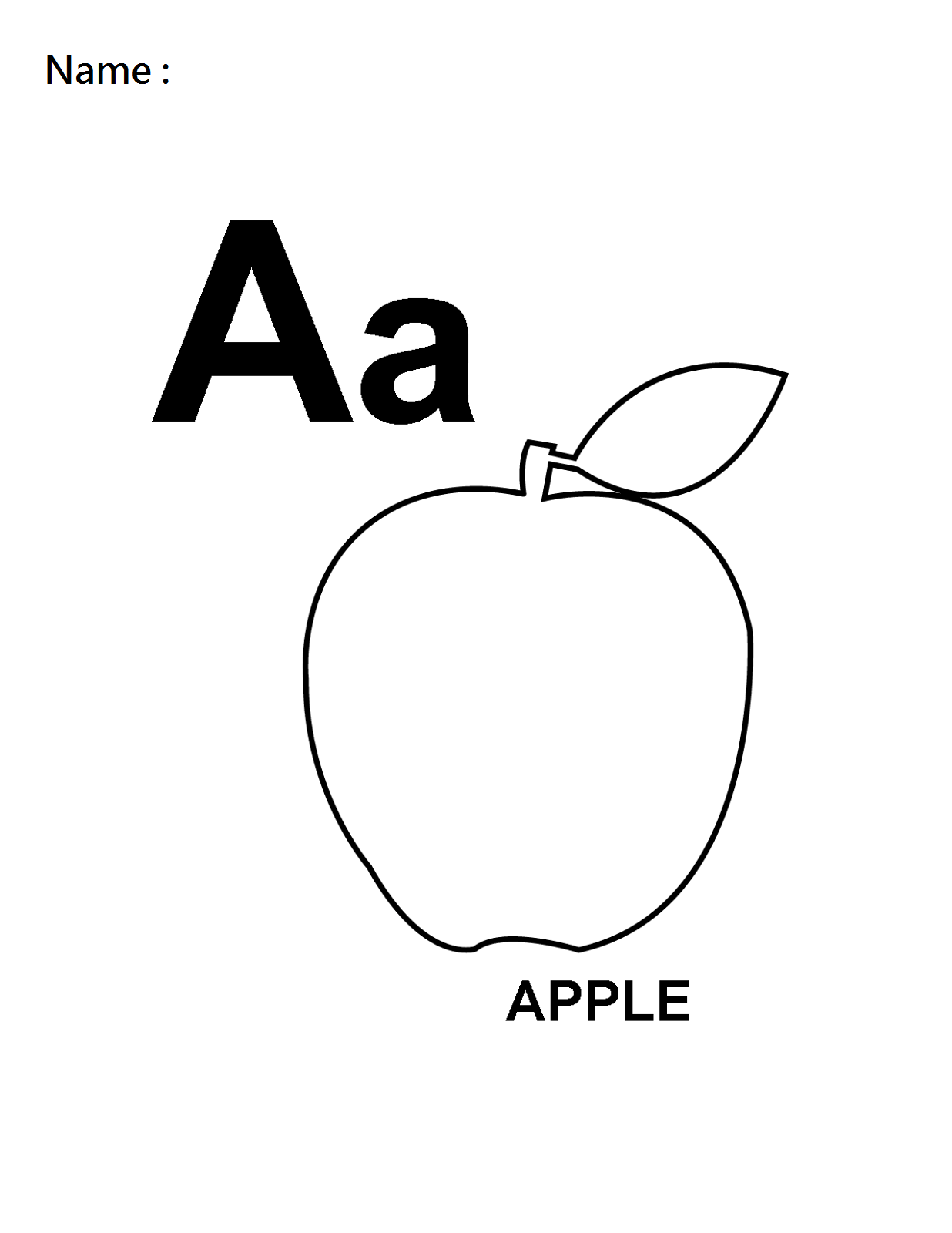
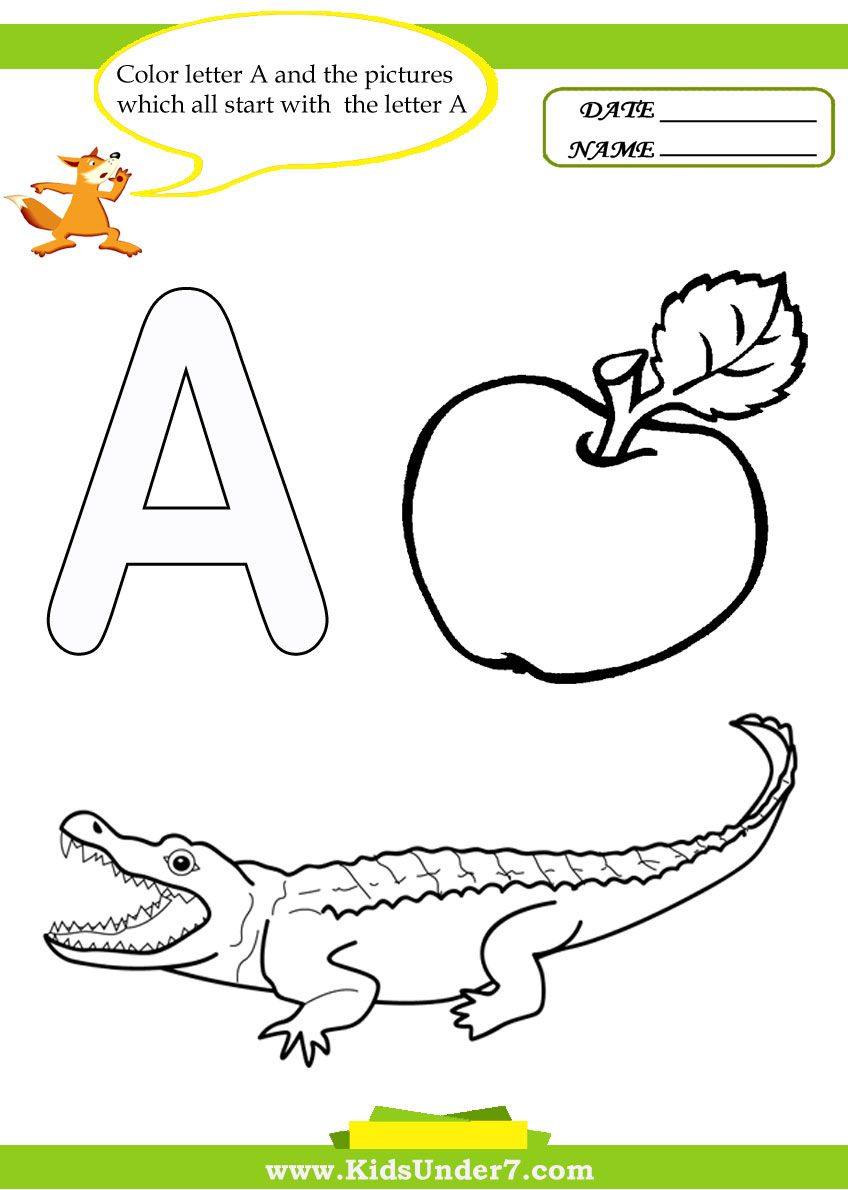
- Letter Focus: Ensure the pages prominently display the letter “A” along with associated images, such as animals (e.g., alligator, apple), to help with letter association.
- Variety: Choose resources that offer a range of activities, such as tracing, coloring, and connecting dots. This variety keeps kids engaged and caters to different learning styles.
Downloading and Printing the Coloring Pages
Once you’ve chosen the printable pages, download them. Here’s how to do it effectively:
- Select the Format: Most coloring pages are available in PDF format. This format maintains the quality and layout when printed.
- Check Dimensions: Ensure the pages are sized appropriately for your printer. Standard letter size (8.5 x 11 inches) is typically best for home use.
- Print Settings: Use portrait orientation for most coloring pages. Adjust the printer settings to ensure the colors are vivid. If possible, use heavier paper or cardstock to avoid tearing during coloring.
Setting Up for Success
Preparation is key for effective use of coloring pages. Here are steps to set up:
- Gather Supplies: Collect various coloring materials—crayons, markers, or colored pencils. Having multiple options can make the activity more enjoyable.
- Designate a Workspace: Create a comfortable and well-lit area for coloring. This space should be free from distractions to help the child focus.
- Model the Activity: Before diving into coloring, demonstrate how to color within the lines and encourage creativity. Show them how to hold the coloring tools properly.
Incorporating Learning With Fun
Engaging with 2 Yr Old Letter A Printablecoloring Pages can be more than just an art activity. Here are ideas to incorporate learning:
- Letter Sounds: As children color, say the name of the letter and its sound. For example, while coloring an apple, emphasize the “A” sound.
- Storytime Connection: Relate the coloring activity to a story featuring the letter “A.” Reading a book about apples or alligators can reinforce learning.
- Discussion: Ask questions about what they are coloring. For example, “What color is the apple?” or “Can you find another word that starts with A?”
Handling Multiple Kids and Classroom Logistics
If you’re using these coloring pages in a classroom or group setting, consider these tips:
- Print in Bulk: For larger classes, print multiple copies at once. This saves time and ensures all children have access to the same resources.
- Organize by Group: If you have different activities planned, sort the coloring pages by groups to facilitate smoother transitions between tasks.
- Answer Key: While coloring pages may not need grading, you can create a simple answer key to help guide discussions about letter recognition.
Evaluating Progress
While coloring might seem like a fun distraction, it can also be a gateway to assessing a child’s development:
- Observation: Watch how the child holds their coloring tool. Are they able to color within the lines? This indicates fine motor skill development.
- Engagement: Note their interest in the activity. Are they excited to learn about the letter “A”? This enthusiasm is crucial for ongoing learning.
- Feedback: After completing a page, ask them about the letter and related words. This reinforces their understanding and retention.