
When teaching young children, effective resources can make a significant difference in their learning journey. One such valuable resource is the 1-10 Learning Printable Letters, which combines literacy and numeracy in a fun and engaging way. These printables are designed to help children master counting from one to ten while reinforcing their understanding of the alphabet. In this guide, we’ll explore how to use these printables effectively, what benefits they offer, and tips for ensuring your students grasp the concepts fully.
Understanding the 1-10 Learning Printable Letters
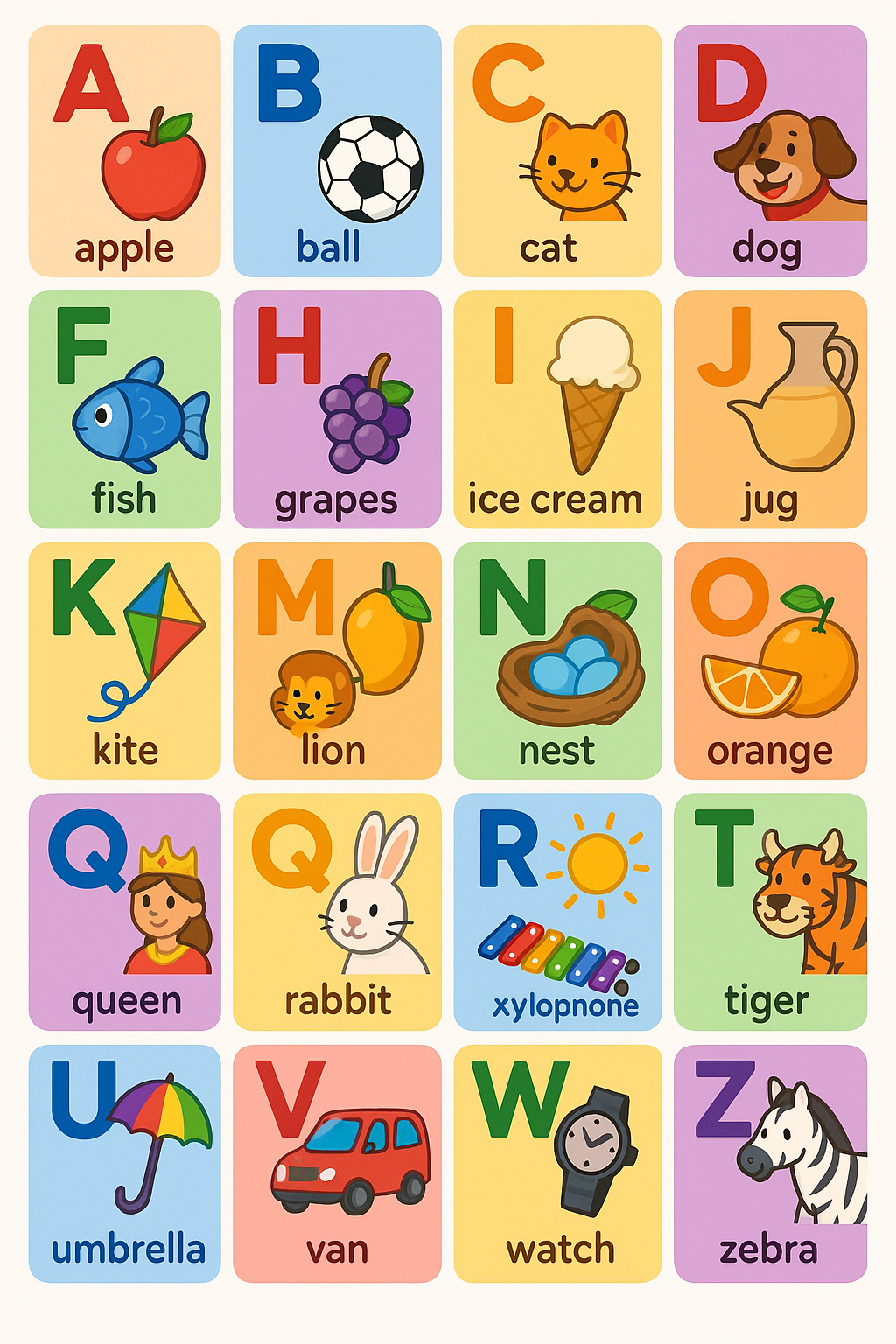
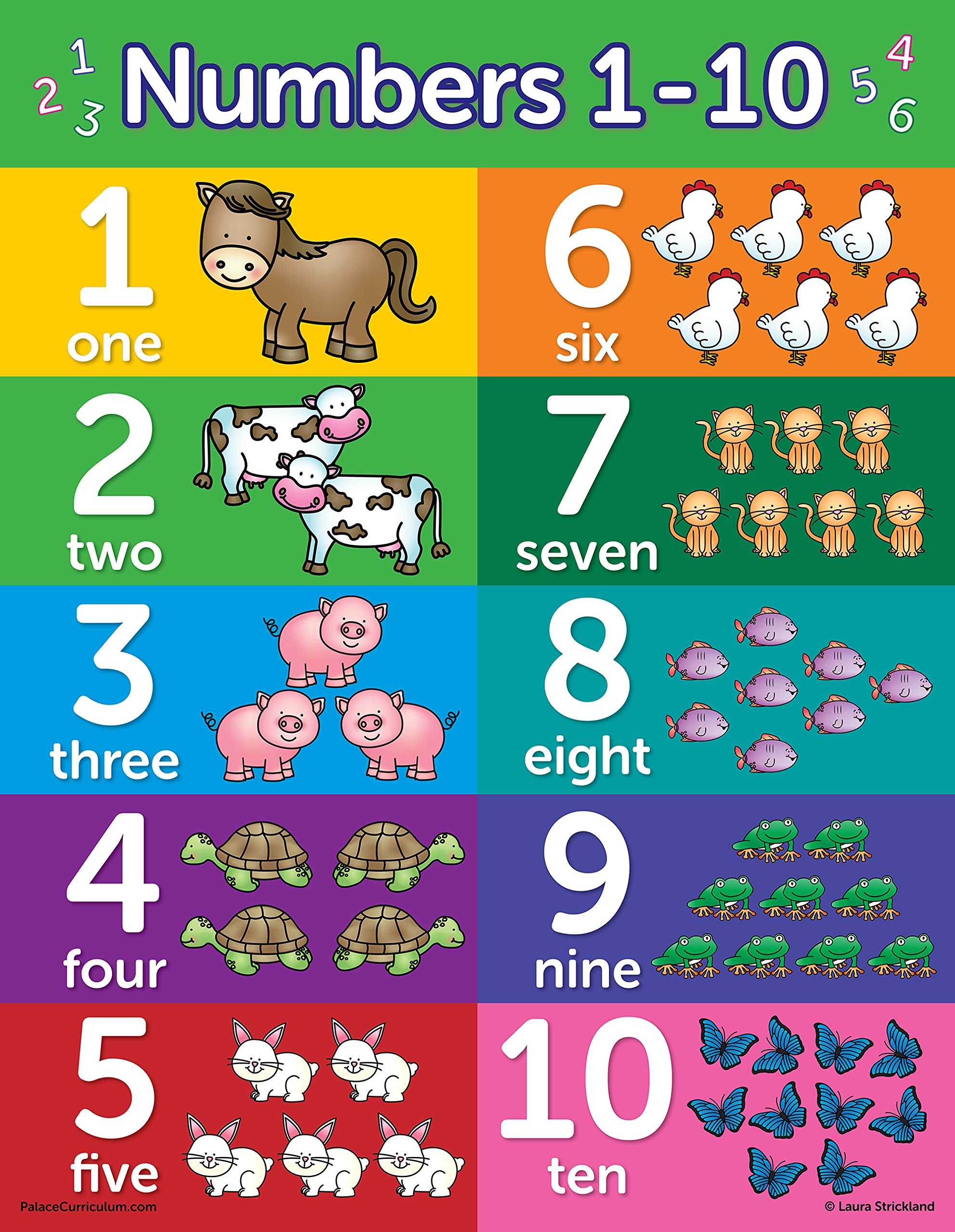
The 1-10 Learning Printable Letters resource typically includes a set of letters paired with corresponding numbers from one to ten. Each letter is designed to be visually appealing, making it easier for children to engage with the material. For example, the letter “A” might be accompanied by a picture of one apple, while “B” could represent two bananas. This dual focus on letters and numbers not only aids in letter recognition but also introduces basic counting skills.
These resources are suitable for preschool and kindergarten students, generally ages 3 to 6. They can be utilized in various settings, including classrooms, homeschooling environments, or even at home.
How to Use 1-10 Learning Printable Letters
Using the 1-10 Learning Printable Letters effectively involves more than just printing them out. Here’s a step-by-step approach to make the most out of these resources.
- Download and Print: Start by downloading the printable letters from a reputable educational website. Make sure to use a high-quality printer to ensure that the colors are vibrant and the text is clear. A standard letter size (8.5 x 11 inches) is typically recommended for easy handling.
- Cut and Laminate: After printing, cut out the letters if they are not pre-separated. Laminating them can enhance durability, especially if you plan to use them multiple times or in a classroom setting. Lamination also makes them easier to clean.
- Interactive Activities: Incorporate interactive activities with the printables. For example, you could ask students to match the letters with corresponding objects in the classroom. This not only reinforces the learning but also encourages active participation.
- Sorting Games: Create sorting games where children can categorize letters based on the number of items they represent. This can help them make connections between letters and numbers while developing their cognitive skills.
- Incorporate into Daily Lessons: Use the printables in daily lessons to reinforce counting and letter recognition. For instance, while reading a story, you could point out the letters and numbers, asking children to identify them.
Assessing Mastery With 1-10 Learning Printable Letters
To ensure that children are mastering the concepts presented in the 1-10 Learning Printable Letters, regular assessment is key. Here are some practical methods to gauge their understanding:
- Observation: Watch how students interact with the printables during activities. Are they able to correctly identify the letters and numbers? Do they seem engaged and interested?
- Verbal Quizzes: Engage in quick verbal quizzes, asking children to name the letters and the corresponding numbers. This can be done in a fun, game-like manner to keep their spirits high.
- Worksheets: Create simple worksheets that require students to trace the letters and numbers or match them with pictures. This allows for a more formal assessment of their skills.
- Feedback Sessions: Have one-on-one feedback sessions where you discuss what they learned from the activities. This can give you insights into what concepts have clicked and which may need further practice.
Tips for Effective Use of 1-10 Learning Printable Letters
To maximize the effectiveness of the 1-10 Learning Printable Letters, consider the following tips:
- Use Colorful Materials: Children are more attracted to bright colors. Ensure that the printables are colorful and engaging to keep their attention focused.
- Incorporate Technology: If possible, use tablets or interactive whiteboards to display the printables. This can enhance engagement, especially in a classroom setting.
- Create a Routine: Incorporate the use of these printables into a daily routine. Consistency helps reinforce learning, making it easier for children to remember what they’ve learned.
- Adapt to Individual Needs: Be mindful of each child’s pace. Some may grasp the concepts quickly, while others may need additional time and support. Tailoring your approach can ensure that all children benefit from the learning experience.
- Encourage Parental Involvement: Provide parents with tips on how they can use these printables at home. This not only reinforces learning but also fosters a supportive home learning environment.
Where to Find 1-10 Learning Printable Letters
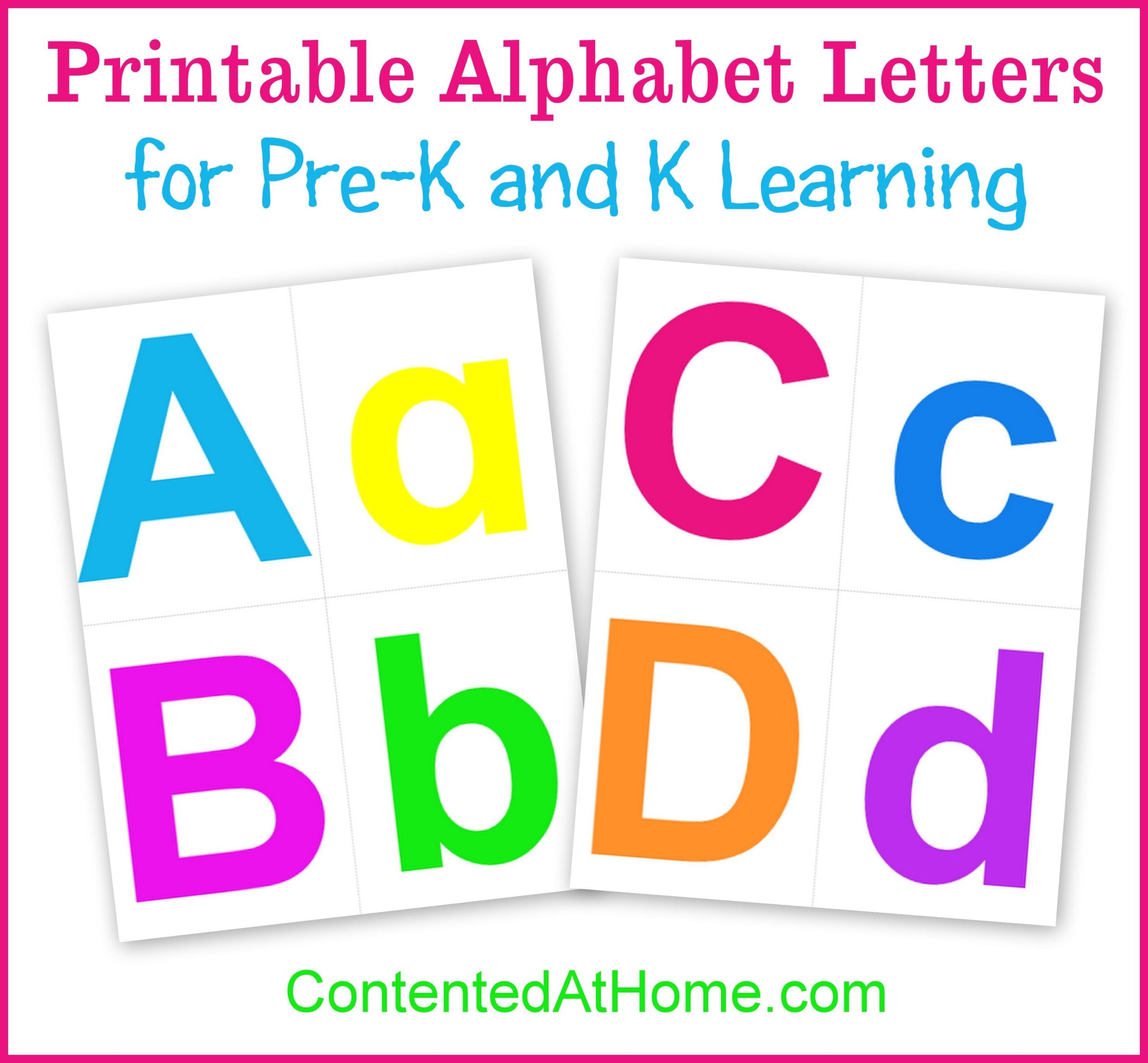
You can find high-quality 1-10 Learning Printable Letters on various educational resource websites. Look for sites that specialize in early childhood education materials. These resources are often available in PDF format, ensuring easy downloading and printing. Some websites may offer free resources, while others might charge a small fee. Always check for reviews and ratings to ensure you’re getting a reputable product.
When selecting printables, consider those that align with your teaching goals and the specific needs of your students. Look for variations that include different themes or styles, as this can keep the material fresh and engaging.