
Printable Bubble Letters To Color are a fantastic resource for teachers, parents, and caregivers looking to encourage creativity and improve fine motor skills in children. These templates not only serve as a fun coloring activity but also provide an opportunity for kids to practice letter recognition and enhance their artistic expression. In this guide, you’ll learn how to effectively use these printable resources, tips for printing, and ideas for incorporating them into educational activities.
Understanding Printable Bubble Letters
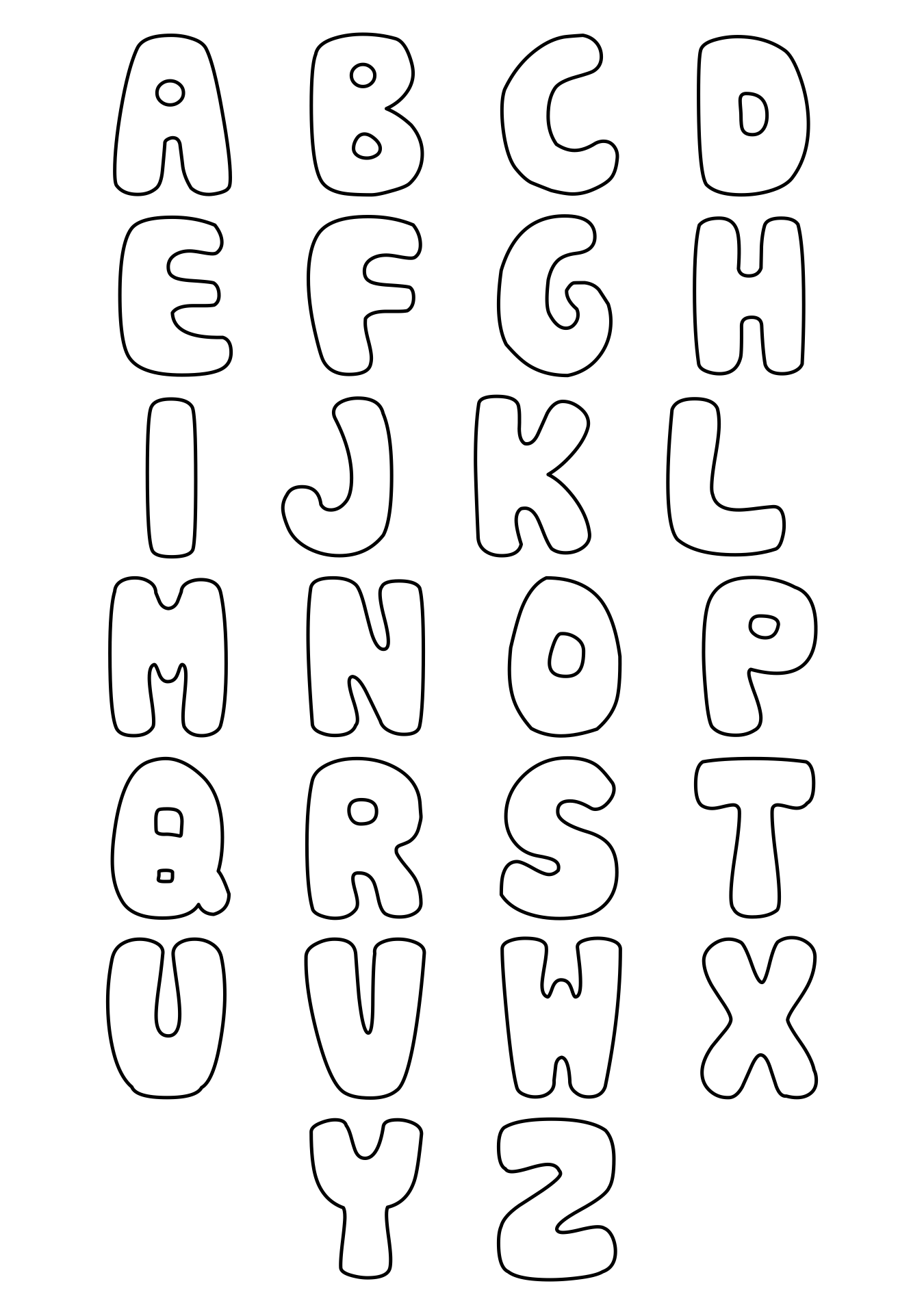
Printable Bubble Letters are large, outline-style letters designed for coloring. They are typically found in various fonts and styles, making them visually appealing and engaging for children. These letters can be used for a wide range of activities, from simple coloring to more complex projects, making them versatile tools in both classroom and home settings.
Why Use Bubble Letters?
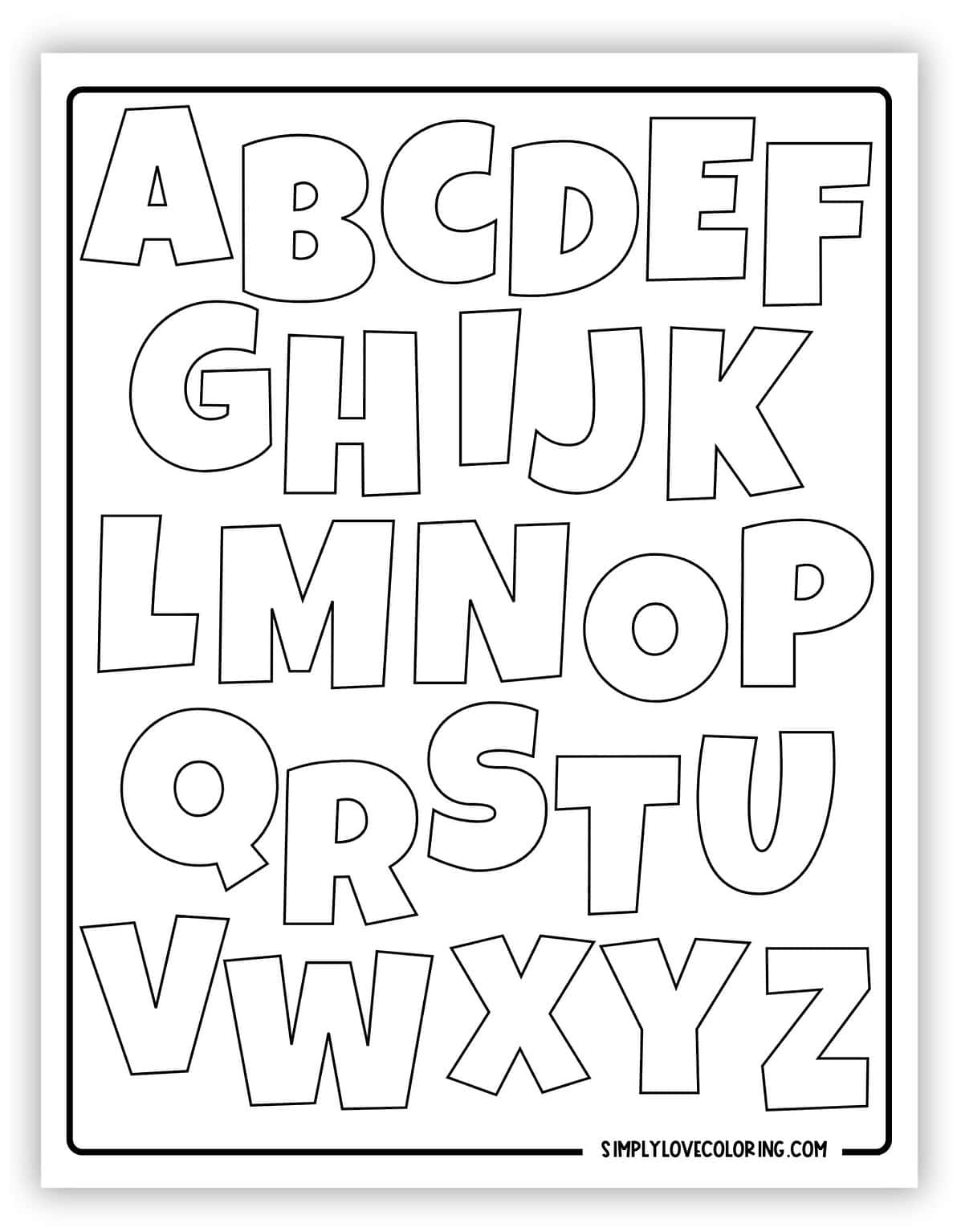
Bubble letters are particularly popular among younger children, as they are easy to color and often resemble fun, playful designs. This familiarity makes them suitable for preschool and early elementary students, generally aged 3 to 7. Using these letters can help children:
- Improve hand-eye coordination through coloring
- Recognize and learn the alphabet
- Express creativity and develop an interest in art
- Work on phonics and spelling when used in conjunction with words
How to Download and Print
Finding and printing Printable Bubble Letters To Color is straightforward. Here are some practical steps to ensure the best results:
- Choose the Right Resource: Look for websites that offer high-quality PDF or PNG files of bubble letters. These formats ensure that the images maintain their quality when printed.
- Set Your Printer: For best results, use a color printer if available. Set your printer to print in portrait orientation, as this layout typically works better for most home printers.
- Select Paper Size: Standard letter size (8.5 x 11 inches) is commonly used for these templates. However, if you’re using larger sheets, ensure your printer can accommodate them.
- Print Settings: Check your print settings to make sure the scaling is set to 100%. This prevents distortion of the letters, ensuring they remain true to size.
- Paper Type: For coloring activities, consider using heavier paper or cardstock. This type holds up better against markers and other coloring tools, especially if you plan to laminate the finished letters for durability.
Engaging Activities With Bubble Letters
Once you have your Printable Bubble Letters To Color ready, there are numerous engaging activities you can implement in the classroom or at home:
Coloring and Letter Recognition
Start with simple coloring. Encourage children to color each letter using their favorite colors. This activity not only reinforces letter shapes but also helps with color recognition.
Create Words or Names
Once kids are comfortable with individual letters, challenge them to create their names or simple words. This promotes spelling skills and gives them a sense of ownership over their work.
Themed Coloring Pages
You can create themed coloring pages by pairing Printable Bubble Letters with illustrations. For instance, if you’re focusing on the letter “B,” include pictures of balloons, butterflies, or bananas. This adds context and makes the activity more engaging.
Craft Projects
Take it a step further by having children cut out their colored letters and use them in craft projects. They can create banners, greeting cards, or even wall art. This not only utilizes their colored letters but also fosters creativity and fine motor skills through cutting and gluing.
Tips for Effective Use
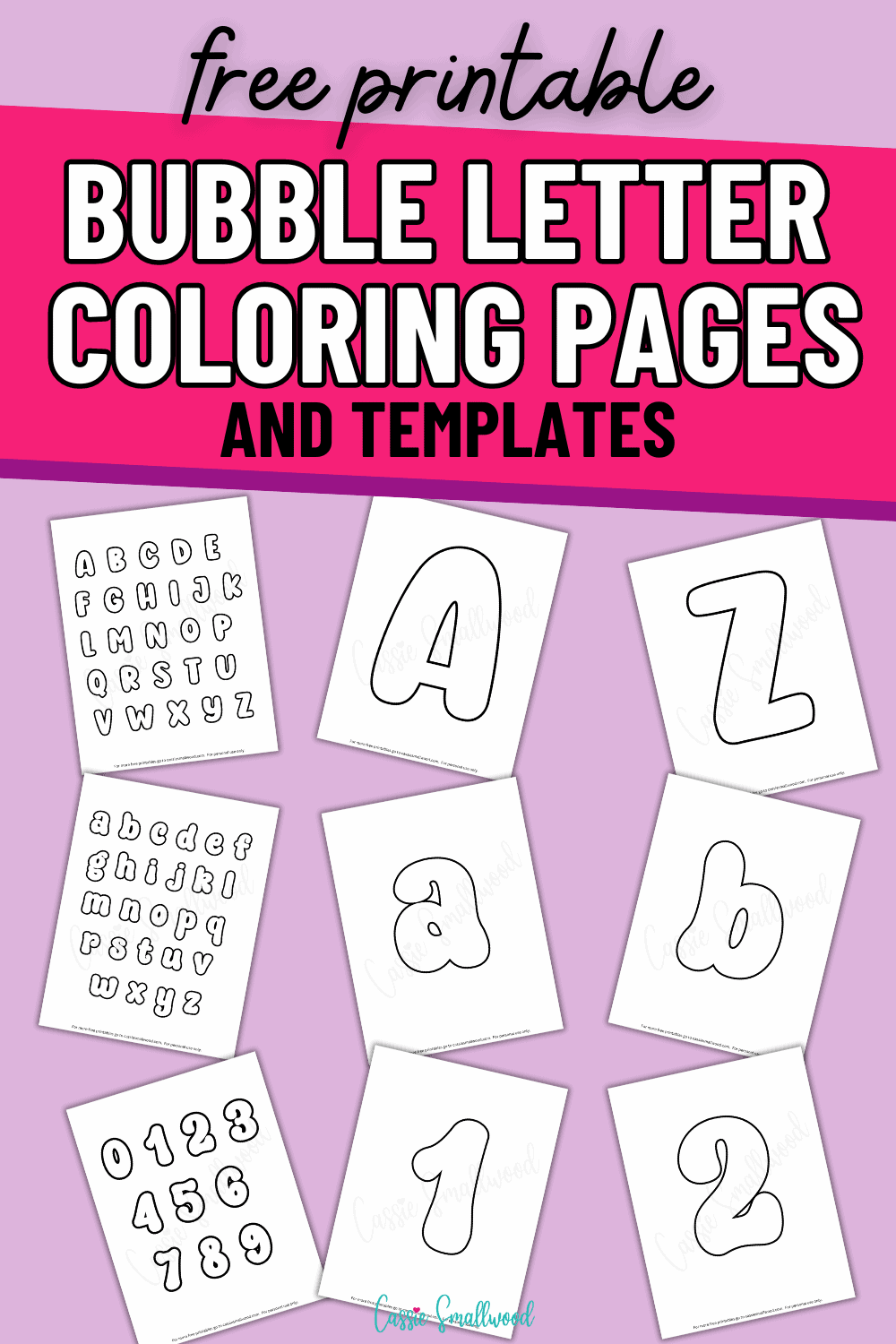
To maximize the benefits of Printable Bubble Letters To Color, consider these practical tips:
- Incorporate Multi-Sensory Learning: Pair coloring with auditory elements, such as songs or rhymes that include the letters being colored. This reinforces learning through multiple channels.
- Use with Diverse Tools: Encourage children to use different coloring tools, such as crayons, markers, or colored pencils. Each tool can provide a different texture and experience.
- Group Activities: If you’re in a classroom setting, consider group activities where students can share their colored letters. This encourages collaboration and discussion about their choices.
- Assessment: Use these coloring activities as informal assessments. Observe how children color and recognize letters to gauge their understanding and skills.