
When it comes to teaching young learners, finding effective resources can be a challenge. Free Letters Of The Alphabet To Print are a fantastic way to help children recognize and practice their letters, whether in a classroom or at home. These printables not only provide a visual representation of each letter but also allow for hands-on activities that can enhance learning. In this article, we’ll explore the layout, features, and practical applications of these resources so you can make the most of them in your teaching.
Understanding the Layout of Alphabet Printables
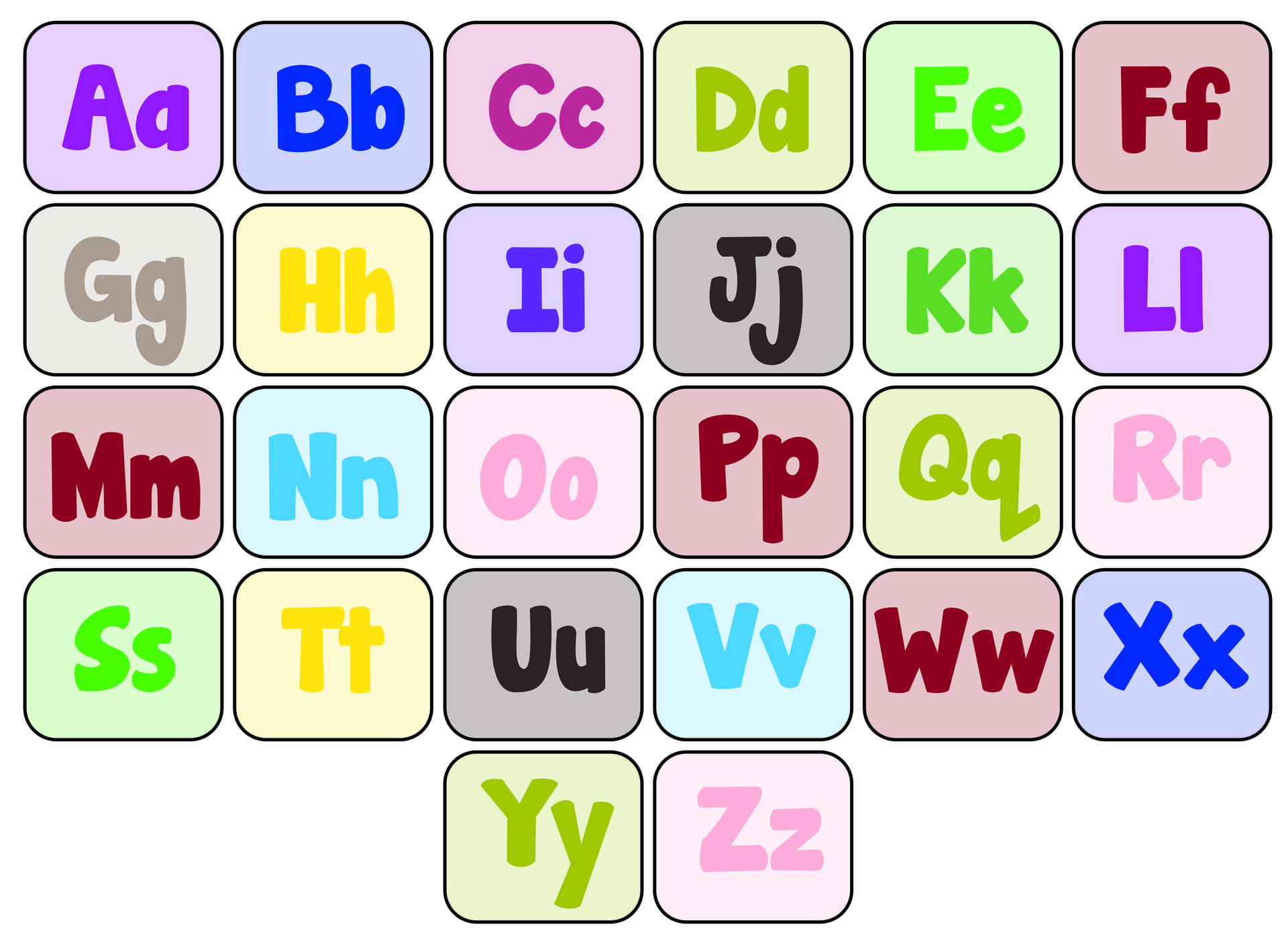
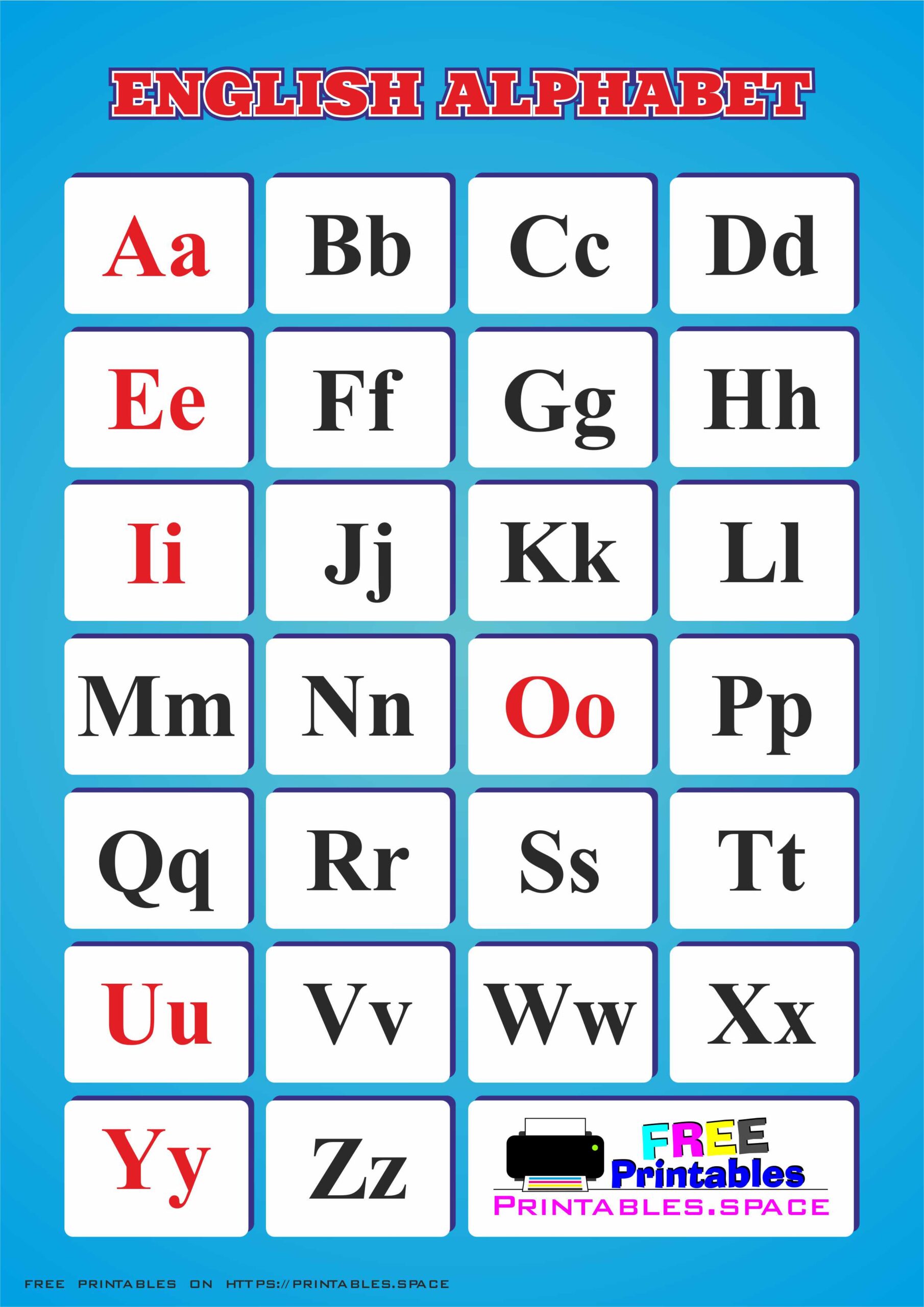
Alphabet printables typically come in various designs and formats, which can impact their effectiveness in your teaching strategy. Most commonly, these printables feature each letter in both uppercase and lowercase forms, allowing children to see the difference and practice writing each one.
You might find the letters presented in a clean, simple font, which is ideal for early learners who are just beginning to recognize letters. Some resources may include images or illustrations associated with each letter, such as an apple for “A” or a cat for “C.” These visual cues can help reinforce letter sounds and meanings, making the learning experience more engaging for children.
The layout often includes ample space for children to practice writing each letter. Look for printables that provide dotted lines for tracing, as this can help develop fine motor skills while reinforcing letter shapes.
Practical Uses in the Classroom and Beyond
There are several ways to utilize Free Letters Of The Alphabet To Print effectively. Here are a few practical applications:
- Letter Recognition Activities: Use the printables as flashcards. You can cut out each letter and ask children to identify them or sort them into groups (vowels vs. consonants).
- Writing Practice: After printing, laminate the sheets for durability. Children can use dry-erase markers to practice writing letters, allowing for repeated use without wasting paper.
- Craft Projects: Incorporate the letters into art projects. For example, children can create a collage by cutting out letters and pasting them onto a larger piece of paper.
- Games: Turn learning into a fun game. Create a scavenger hunt where children need to find items around the room that start with each letter or use the letters to spell out words.
Assessing Mastery Through Engagement
One key to effective teaching is assessing whether students have grasped the concepts being taught. With the use of Free Letters Of The Alphabet To Print, you can easily check for mastery in several ways:
- Observation: As children engage with the printables, observe their ability to recognize and name each letter. This gives you immediate feedback on their progress.
- Writing Samples: Collect samples of their writing on the printables. Look for consistency in letter formation and spacing. Are they able to write both uppercase and lowercase letters correctly?
- Verbal Responses: Ask children to verbally express the sounds associated with each letter. This can help reinforce phonemic awareness alongside letter recognition.
- Interactive Activities: Incorporate activities that require students to use the letters in context, such as forming simple words. This can deepen their understanding and retention.
Choosing the Right Paper and Printing Options
When printing your alphabet letters, the choice of paper and settings can significantly affect the quality and usability of the final product. Here are some tips:
- Paper Type: For durability, consider using cardstock instead of standard printer paper. Cardstock holds up better to repeated handling and can be easily laminated for extra protection.
- Print Settings: Use the portrait layout for most home printers, as this usually fits letter-sized paper best. Ensure your printer settings are adjusted for high-quality printing to capture the details of the letters clearly.
- Color vs. Black and White: Depending on your classroom environment and the age of the children, you may choose to print in color for visual engagement or black and white to allow children to color in the letters themselves.
Incorporating Technology With Printables
In today’s digital age, technology can complement traditional printables. Here are a couple of ways to integrate tech with your alphabet resources:
- Digital Versions: Consider using tablets or interactive boards where children can trace letters using a stylus. While this isn’t a printable in the traditional sense, you can use the same designs to create interactive lessons.
- Educational Apps: Pair your printables with educational apps that focus on letter recognition and phonics. This can provide a well-rounded learning experience that caters to different learning styles.
By incorporating both printable resources and technology, you can create a rich learning environment that engages students on multiple levels.