
As the sun streamed through the windows, Ms. Thompson set up her classroom for another exciting day of learning. The kids were buzzing with energy, eager to look at activities that would not only teach them but also keep them engaged. One of her favorite tools? Upper And Lowercase Alphabet Coloring Pages. These pages serve as a fantastic resource to help children master their letters while expressing their creativity.
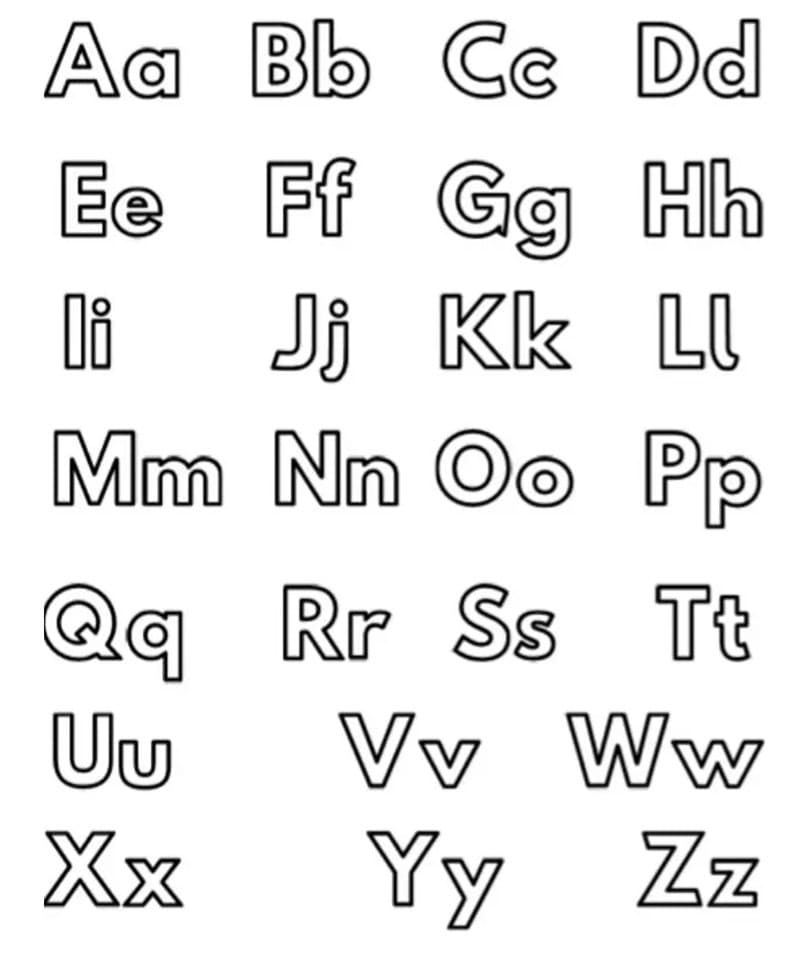
Why Use Alphabet Coloring Pages?
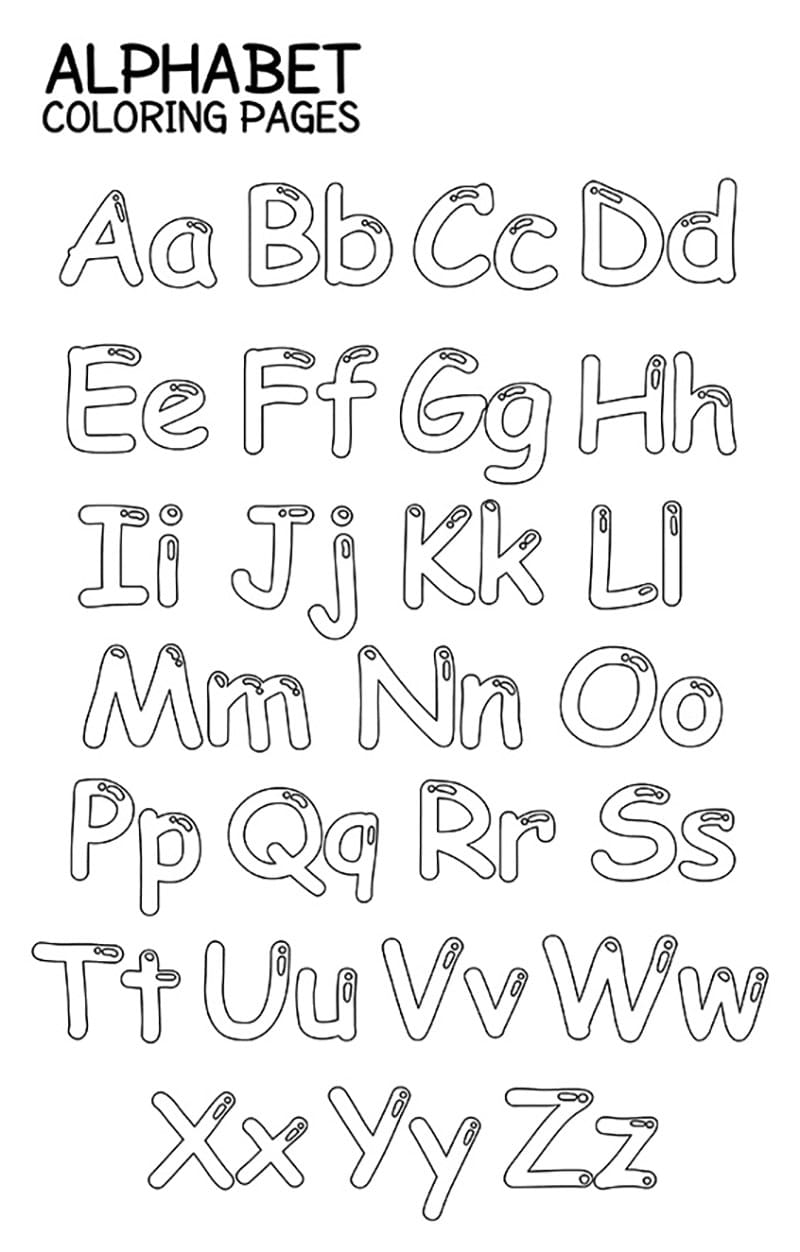
Alphabet coloring pages are more than just fun activities; they play a crucial role in early childhood education. For young learners, especially those in preschool and kindergarten, these pages provide a multi-sensory approach to learning the alphabet. When kids color, they improve their fine motor skills, which are essential for writing later on. Plus, the visual stimulation of different colors helps reinforce letter recognition.
Using Upper And Lowercase Alphabet Coloring Pages in the classroom or at home can enhance a child’s understanding of letter formation and sound associations. As they color each letter, children can also practice saying the letter and its corresponding sound, making it a holistic learning experience.
How to Incorporate Coloring Pages Into Learning Routines
Integrating these coloring pages into your daily routine doesn’t have to be time-consuming or complex. Here are some practical tips:
- Set a Daily Time: Designate a specific time each day for coloring. This could be part of a morning routine or an afternoon activity. Consistency helps children know what to expect.
- Combine with Story Time: After reading a story that features letters or words, have the children color the corresponding letters. This reinforces what they’ve just learned and connects reading with writing.
- Create a Letter of the Week: Focus on one letter each week. Use the corresponding Upper And Lowercase Alphabet Coloring Pages to keep children engaged throughout the week. This allows for repetition and reinforcement, which is key to mastery.
- Encourage Creativity: Allow children to use different coloring materials, such as crayons, markers, or colored pencils. This variation can keep the activity fresh and exciting.
- Display Their Work: Create a “letter wall” where you can hang their completed coloring pages. This not only boosts their confidence but also serves as a visual reminder of what they’ve learned.
Choosing the Right Coloring Pages
When selecting Upper And Lowercase Alphabet Coloring Pages, consider the following:
- Age Appropriateness: Ensure the pages are suitable for the child’s age. For younger children, simpler designs may be more effective, while older kids might enjoy more intricate illustrations.
- Theme and Interests: Look for coloring pages that incorporate themes your child enjoys, such as animals, vehicles, or space. This can increase their engagement and make learning more enjoyable.
- Quality of the Pages: Opt for high-quality printable pages that are clear and easy to understand. Poorly designed pages can lead to frustration, which can detract from the learning experience.
Tracking Progress With Coloring Pages
Coloring pages can also be an excellent tool for tracking progress. Here’s how you can use them effectively:
- Keep a Portfolio: Create a folder or binder where you can store completed coloring pages. This not only keeps things organized but also provides a visual representation of the child’s progress over time.
- Set Goals: Encourage children to set personal goals for their coloring activities. For instance, they might aim to color a certain number of pages each week. Celebrating these milestones can motivate them even further.
- Review with Parents or Teachers: Regularly review the completed pages with the child. Discuss what they learned about each letter and how they can apply this knowledge in their writing.
- Incorporate Feedback: Provide constructive feedback on their coloring and letter formation. This can help them improve their skills over time.
Benefits of Using Printable Resources
Printable resources like Upper And Lowercase Alphabet Coloring Pages are incredibly versatile. They can be used in various settings, whether in a classroom, at home, or during a family gathering. Here are some benefits:
- Convenience: You can easily download and print these pages whenever you need them, making them a flexible option for spontaneous learning moments.
- Cost-Effective: Many printable resources are available for free or at a low cost, making them accessible for families and teachers on a budget.
- Variety of Resources: These coloring pages often come with additional educational materials, such as worksheets or flashcards, allowing for a comprehensive learning experience.
- Easy Integration: You can seamlessly incorporate coloring pages into existing lesson plans or home learning activities without needing to create an entirely new curriculum.
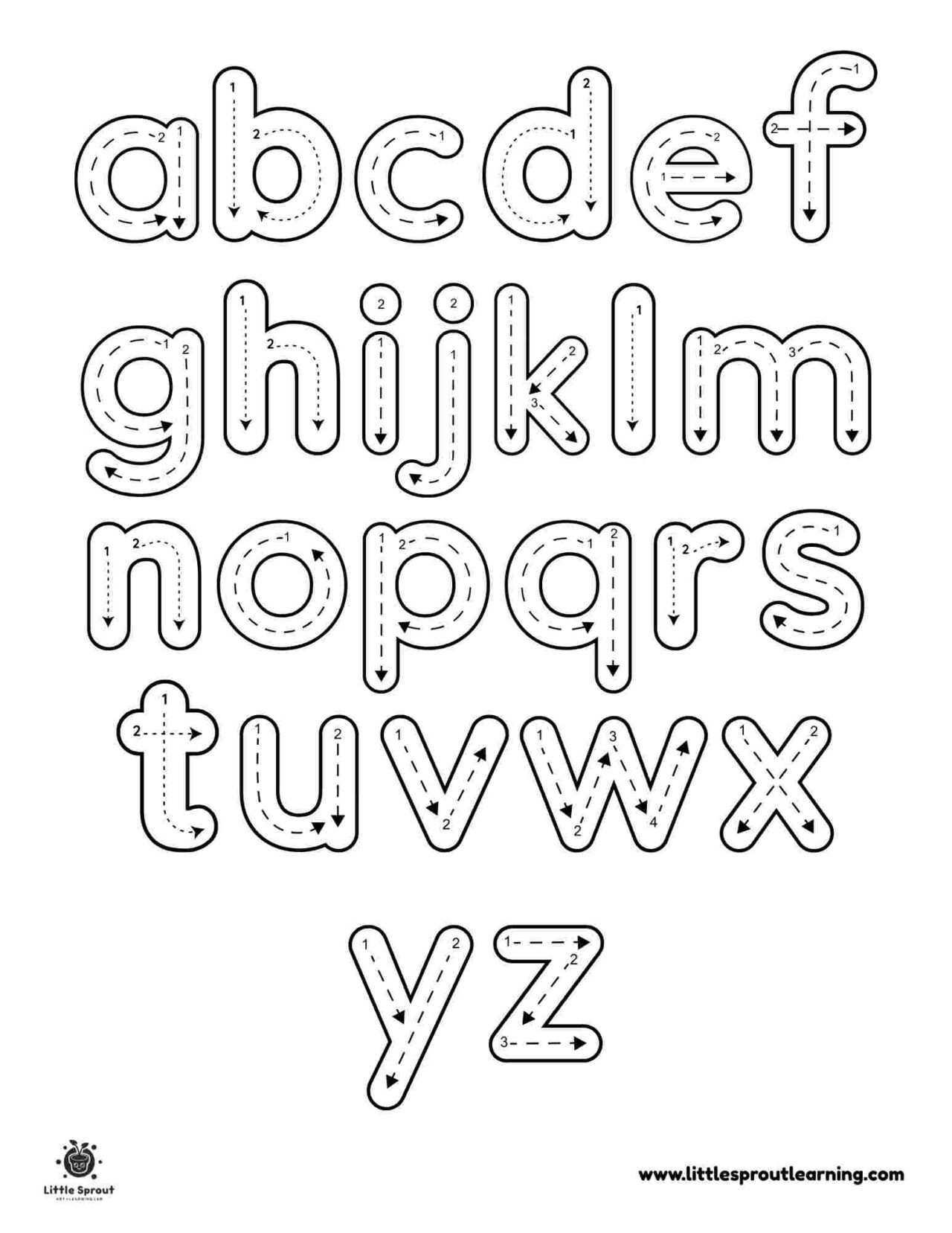
Transitioning From Coloring to Writing
As children become more comfortable with their Upper And Lowercase Alphabet Coloring Pages, you can start to introduce writing exercises. Here are some ideas on how to make that transition smooth:
- Letter Tracing: After coloring, provide tracing sheets where they can practice writing the letters. This helps reinforce the connection between the visual and written forms of the letters.
- Incorporate Words: Have them color the letters first, then write simple words that start with those letters. For example, after coloring the letter ‘A,’ they can write ‘apple.’
- Use Fun Writing Tools: Make writing exciting by using different tools like gel pens, colored pencils, or even digital apps that encourage writing practice.
- Create Sentences: For older children, challenge them to create sentences using the letters they’ve learned. This not only enhances their writing skills but also encourages creativity.
By utilizing Upper And Lowercase Alphabet Coloring Pages and integrating them into your daily routine, you can create a fun and effective learning environment that fosters a love for letters and words. The key is to keep the activities engaging and connected to their interests, making learning a joyful experience.
So, why not print a few pages today and see how your little ones respond? You might just spark a newfound excitement for learning letters!