
Using Printable Alphabet Sheets For Kindergarten can significantly enhance early literacy skills in young learners. These sheets provide a structured and engaging way for children to familiarize themselves with letters, both uppercase and lowercase. As a teacher or caregiver, you’ll find these resources invaluable for creating a fun and educational environment, whether in a classroom or at home.
Understanding the Importance of Alphabet Recognition
Alphabet recognition is a foundational skill for kindergarteners. It’s crucial for developing reading and writing abilities. Children who can identify letters by sight are more likely to succeed in phonics and subsequent literacy tasks. Printable Alphabet Sheets For Kindergarten are designed to help children learn letter shapes, sounds, and their usage in words.
When using these sheets, aim for a balance of instruction and play. Incorporating activities such as tracing, coloring, and matching can make learning more engaging. This approach not only helps children memorize the alphabet but also reinforces fine motor skills essential for writing.
Types of Printable Alphabet Sheets
There are various types of Printable Alphabet Sheets available, each serving a unique purpose in the learning process. Here are some common formats:
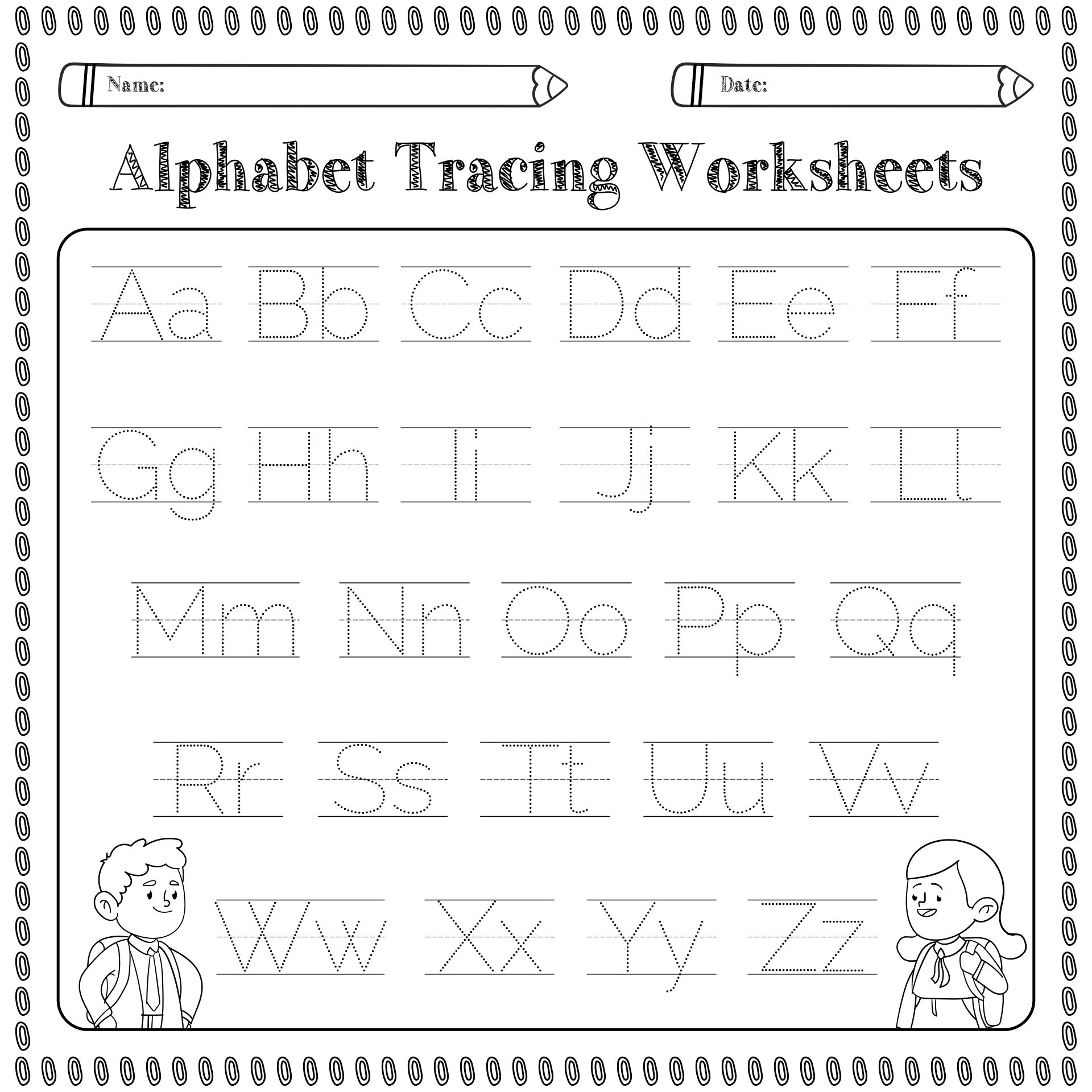
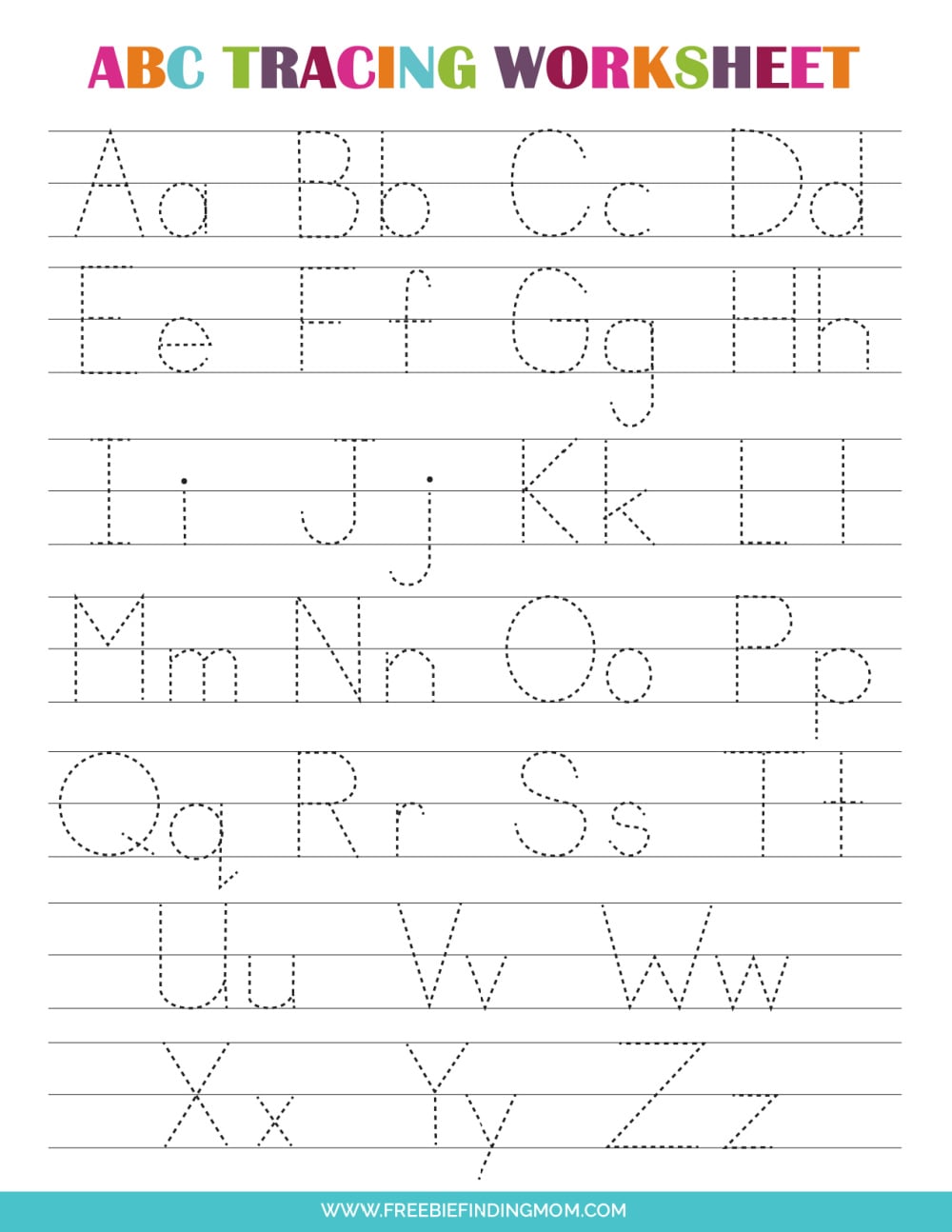
- Tracing Sheets: These sheets often have dotted letters, allowing children to practice writing. Tracing helps improve hand-eye coordination and letter formation.
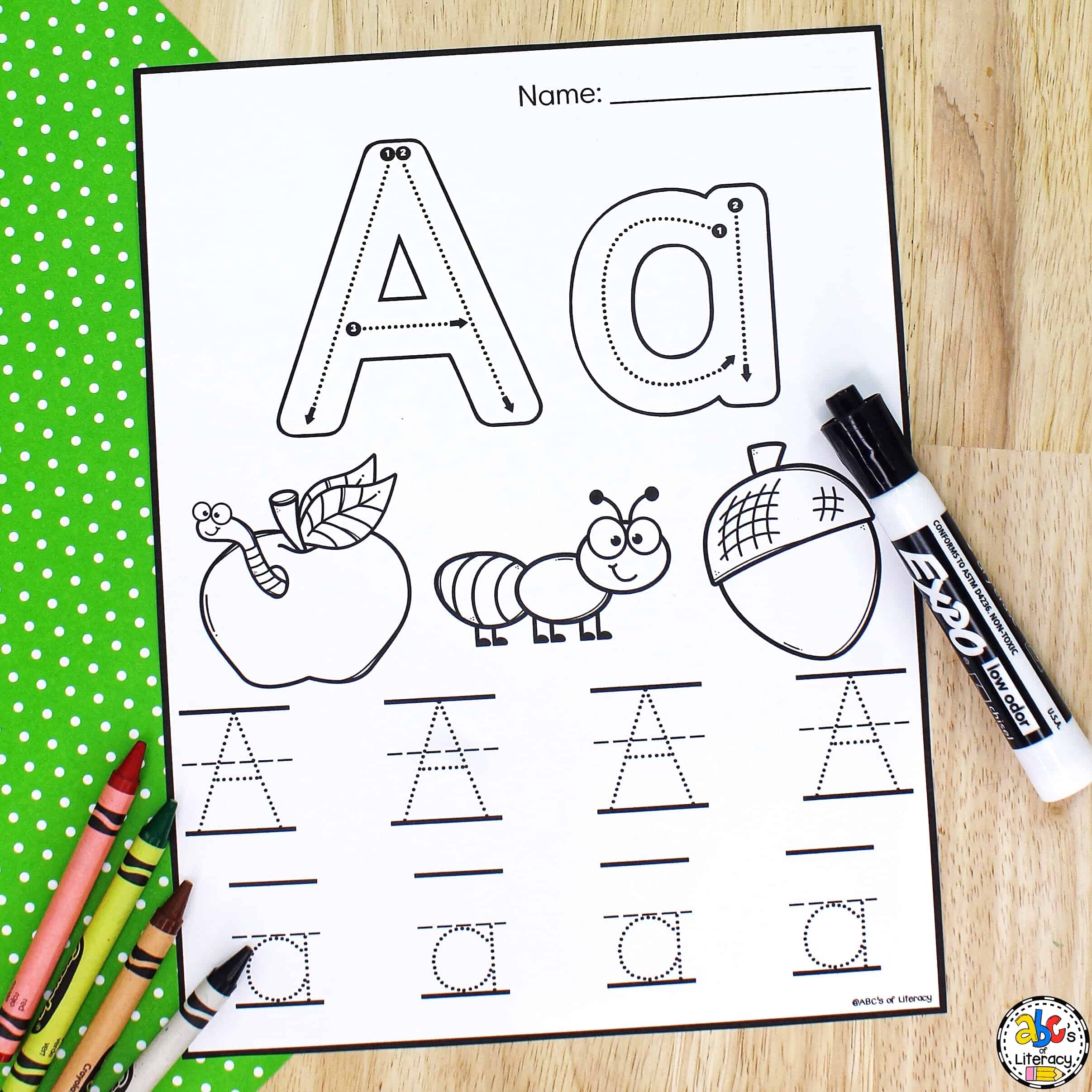
- Coloring Sheets: Featuring letters alongside corresponding images (e.g., A for apple), these sheets encourage creativity while reinforcing letter recognition.
- Flashcards: Printable flashcards can be used for quick review sessions. They are great for games and interactive learning.
- Worksheets: These might include exercises that require children to match letters to pictures or fill in the blanks with the correct letters.
Choosing the right type depends on your goals. For instance, if you focus on improving writing skills, tracing sheets are ideal, while coloring sheets are excellent for creative engagement.
How to Use Printable Alphabet Sheets in the Classroom
Incorporating Printable Alphabet Sheets For Kindergarten into your lesson plans can be straightforward and effective. Here are some practical steps to consider:
- Introduction: Start by introducing the letters of the day. Use a chart or a large printout of the alphabet to show children what they will be learning.
- Distribution: Hand out the printable sheets relevant to the letters being covered. Ensure they are printed on good-quality paper, ideally cardstock, for durability.
- Guided Practice: Go through the letters together. Encourage students to trace the letters while pronouncing them. This multisensory approach aids memory retention.
- Independent Work: Allow time for independent practice. Children can complete their sheets at their own pace. Circulate the room to provide assistance and observe their progress.
- Review and Assess: After the activity, review the sheets as a class. Ask students to share their favorite letters and what words they can think of that start with those letters. This reinforces their learning and builds confidence.
Tips for Effective Use
To maximize the benefits of Printable Alphabet Sheets For Kindergarten, consider these practical tips:
- Use Different Materials: Incorporate various writing tools, such as colored pencils, crayons, or markers. This variety keeps children engaged.
- Incorporate Movement: Use physical activities alongside the sheets. For example, have children jump to touch letters on the wall or hop while saying the letter sounds.
- Create a Learning Station: Set up a dedicated area in your classroom or home with a variety of alphabet sheets and related materials. This encourages children to explore and learn independently.
- Monitor Progress: Keep track of the children’s work. Look for improvements in letter recognition and writing skills. Note any areas where they may need more practice.
Combining Alphabet Sheets With Other Activities
To enhance learning, combine Printable Alphabet Sheets For Kindergarten with other educational activities. Here are some ideas:
- Storytime: Read books that emphasize the alphabet, like “Chicka Chicka Boom Boom.” Follow up with a discussion about the letters in the story.
- Interactive Games: Use letter matching games or scavenger hunts that require finding items that start with specific letters.
- Art Projects: Encourage children to create their own alphabet books, where they can illustrate a picture for each letter and practice writing it.
- Digital Resources: If you have access to technology, consider incorporating interactive apps that reinforce alphabet learning alongside your printable sheets.
Assessing Mastery of Alphabet Skills
As children work with Printable Alphabet Sheets, assessing their mastery of the alphabet is essential. Look for signs of progress, such as:
- Letter Recognition: Can the child identify letters out of order or in different contexts?
- Writing Skills: Are they able to write letters independently? Check for proper formation and spacing.
- Phonemic Awareness: Can they associate letters with their sounds? Engaging them in activities that require this association can help gauge their understanding.
- Engagement: Observe how excited they are about using the sheets. Enthusiasm for learning often translates to better retention.
By keeping these assessment strategies in mind, you’ll be equipped to provide tailored support to each child’s learning journey.