
Using letters to print out and color is an effective way to engage children in learning while enhancing their fine motor skills and creativity. These resources can be used in various educational settings, whether in classrooms or at home. By incorporating these printable letters into your lessons or activities, you can make learning more enjoyable and interactive for young learners.
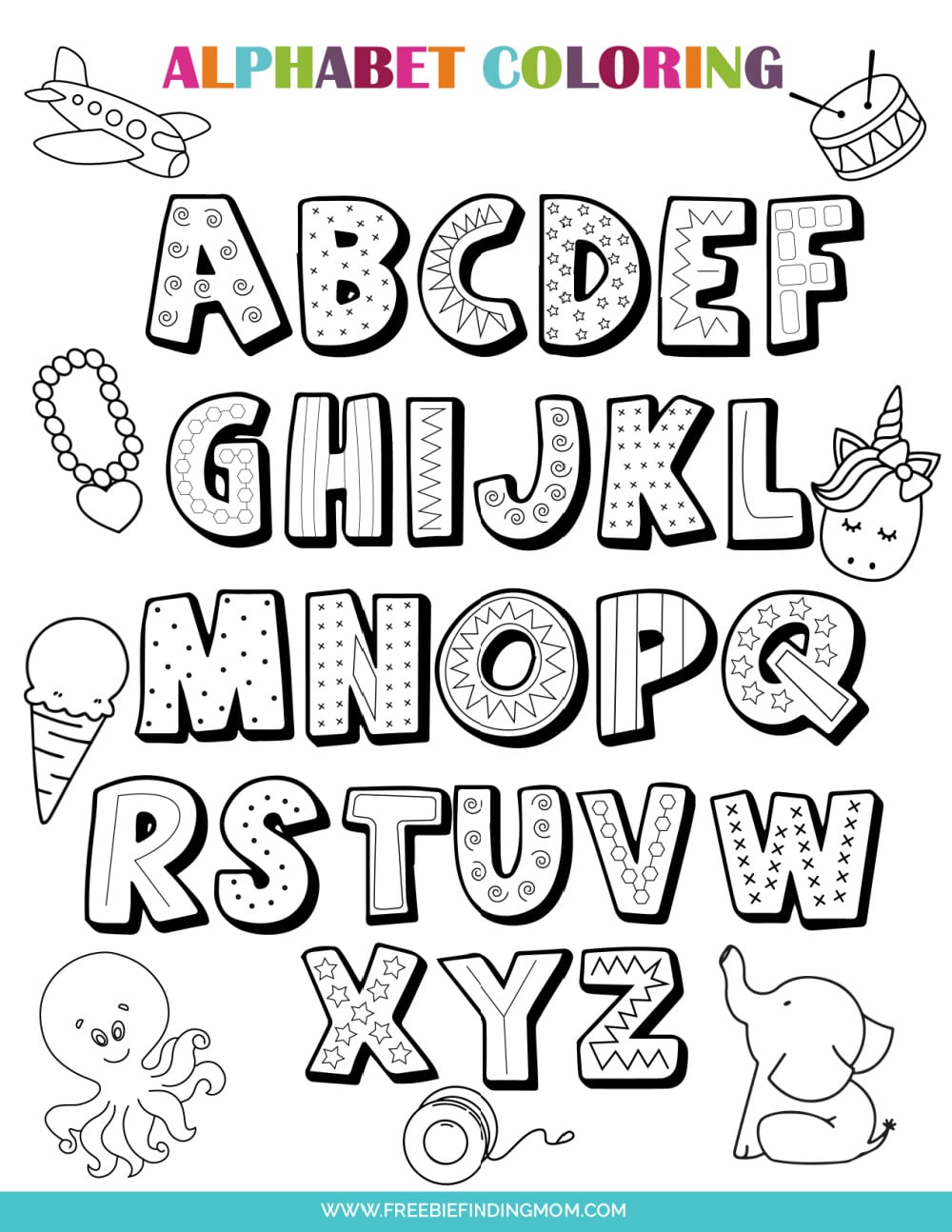
Benefits of Coloring Letters
Coloring letters offers several advantages for children, especially in early childhood education. It not only helps to reinforce letter recognition but also encourages creativity and self-expression. Here are a few key benefits:
- Fine Motor Skills Development: Coloring requires the use of hand muscles, which helps improve dexterity and coordination. This is essential for children as they prepare for writing.
- Cognitive Skills: Identifying letters while coloring helps reinforce letter recognition and phonemic awareness, both crucial components of literacy.
- Creative Expression: Children can choose colors that resonate with them, allowing for personal creativity in their work.
- Relaxation and Focus: Coloring can be a calming activity that helps children focus, providing a break from more structured learning tasks.
Choosing the Right Printable Letters
When looking for letters to print out and color, consider the following factors to ensure they meet your educational goals:
- Age Appropriateness: Select letters that are suitable for your child’s age and skill level. For younger children, simple block letters with bold outlines are ideal. For older children, you might choose more intricate designs that encourage more detailed coloring.
- Design Variety: Look for resources that offer a range of designs. Some may feature fun themes, such as animals or holidays, which can make learning more engaging.
- File Format: Ensure the printable letters are available in user-friendly formats, such as PDF or JPEG, to minimize printing issues.
- Size and Layout: Check if the letters are available in different sizes. Larger letters are easier for younger children to color, while smaller letters can be more suitable for older students.
How to Use Printable Letters in the Classroom
Integrating printable letters to color into your lesson plans can be simple and effective. Here are a few practical ways to use them:
- Letter of the Week: Choose a letter each week and provide coloring sheets that correspond with that letter. For example, if the letter is “A,” you could include apples or alligators for coloring.
- Alphabet Books: Have students create their own alphabet books by coloring each letter and adding drawings or stickers that represent words starting with that letter.
- Group Activities: Provide coloring letters as a group activity where students can collaborate on a large poster or mural. This encourages teamwork while reinforcing letter recognition.
- Home Practice: Send printable letters home for parents to use as a fun activity with their children. This can reinforce what was learned in class.
Tips for Printing and Preparing Letters
To ensure the best results when printing letters to color, keep the following tips in mind:
- Paper Type: Use thicker paper, like cardstock, for durability, especially if the letters will be used multiple times or laminated afterward.
- Printer Settings: Adjust your printer settings to use the best quality for clear, crisp outlines. Portrait layout typically works better for most home printers.
- Coloring Supplies: Encourage the use of various coloring materials such as crayons, markers, or colored pencils to enhance the coloring experience.
- Laminating: Consider laminating the finished letters for long-term use. This allows children to color them repeatedly with dry-erase markers.
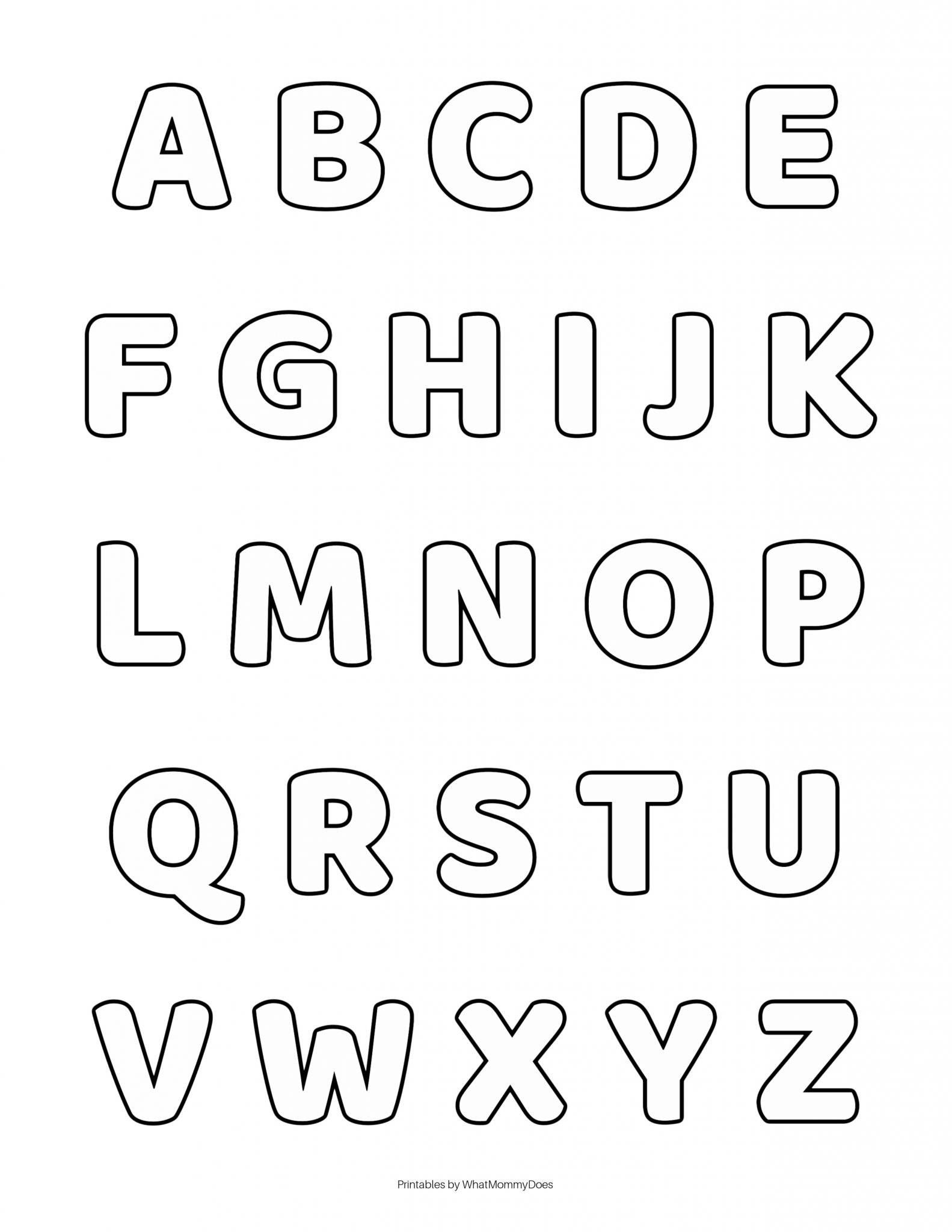
Engaging Children With Themed Coloring Letters
Incorporating themes into your printable letters can significantly enhance children’s interest and engagement. Here are some ideas you can explore:
- Seasonal Themes: Create sets of letters that correspond with holidays or seasons, such as pumpkins for fall or snowflakes for winter. This ties in with current events and makes learning relevant.
- Character Themes: Use popular characters from children’s books or shows. For example, letters decorated with characters from a beloved series can motivate children to engage more with the activity.
- Nature Themes: Include elements from nature, such as flowers or animals, that children can color in. This not only makes learning fun but can also lead to discussions about the natural world.