
When it comes to educational resources, nothing quite matches the charm and effectiveness of engaging printables. Letters To Print And Color stand out as a versatile tool for both teachers and parents looking to nurture creativity and literacy skills in children. This resource not only allows kids to explore their artistic side but also reinforces their understanding of letters and phonetics through an enjoyable activity.
Understanding the Resource: What Are Letters To Print And Color?
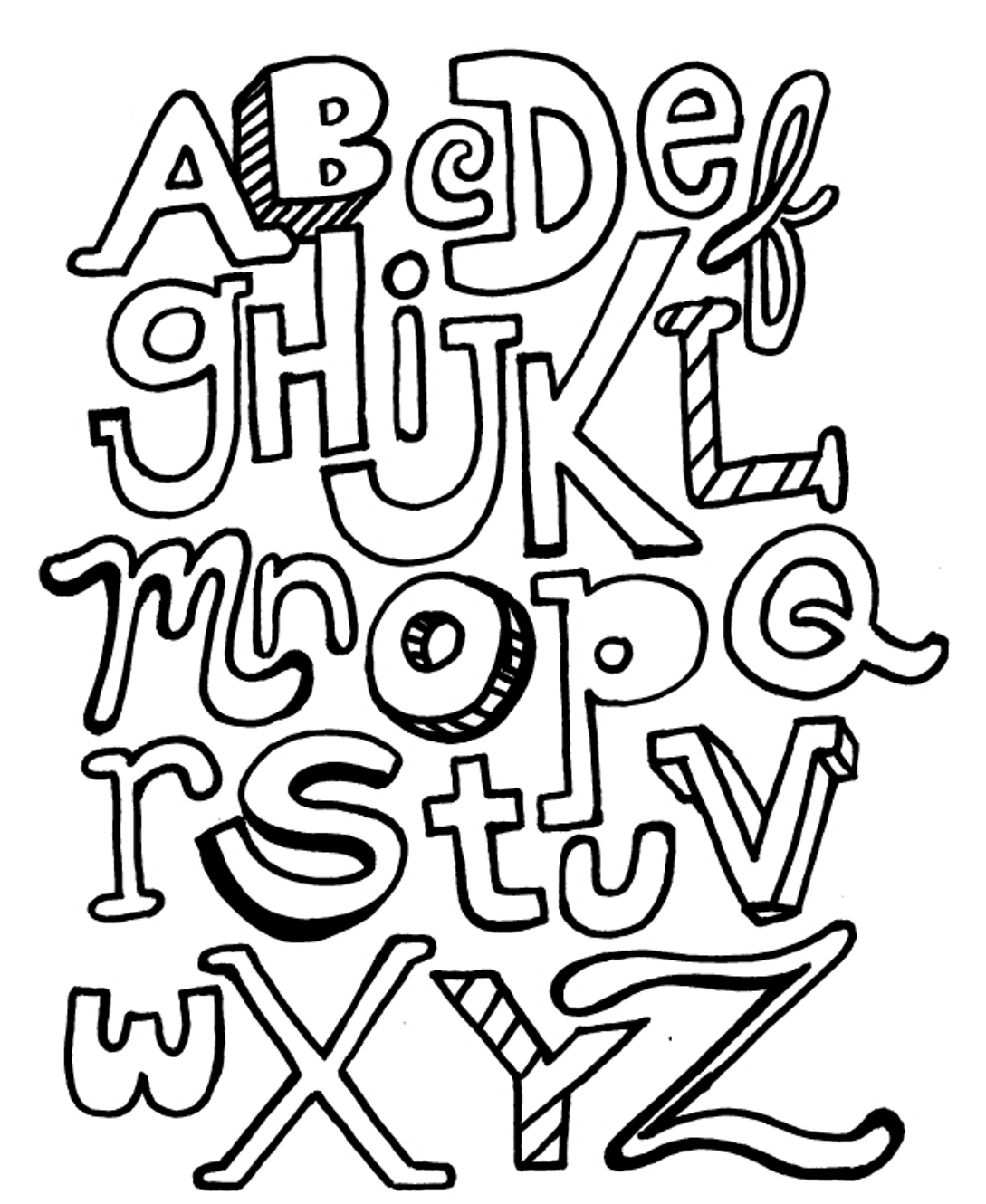
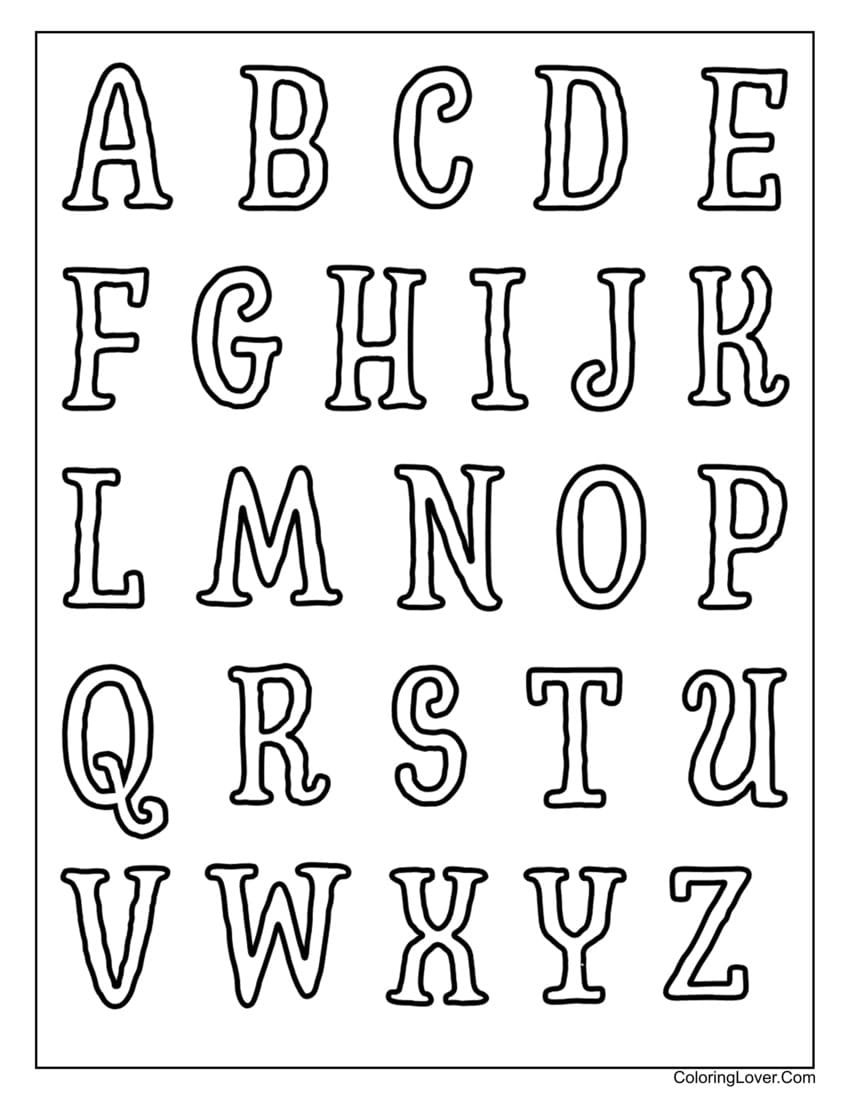
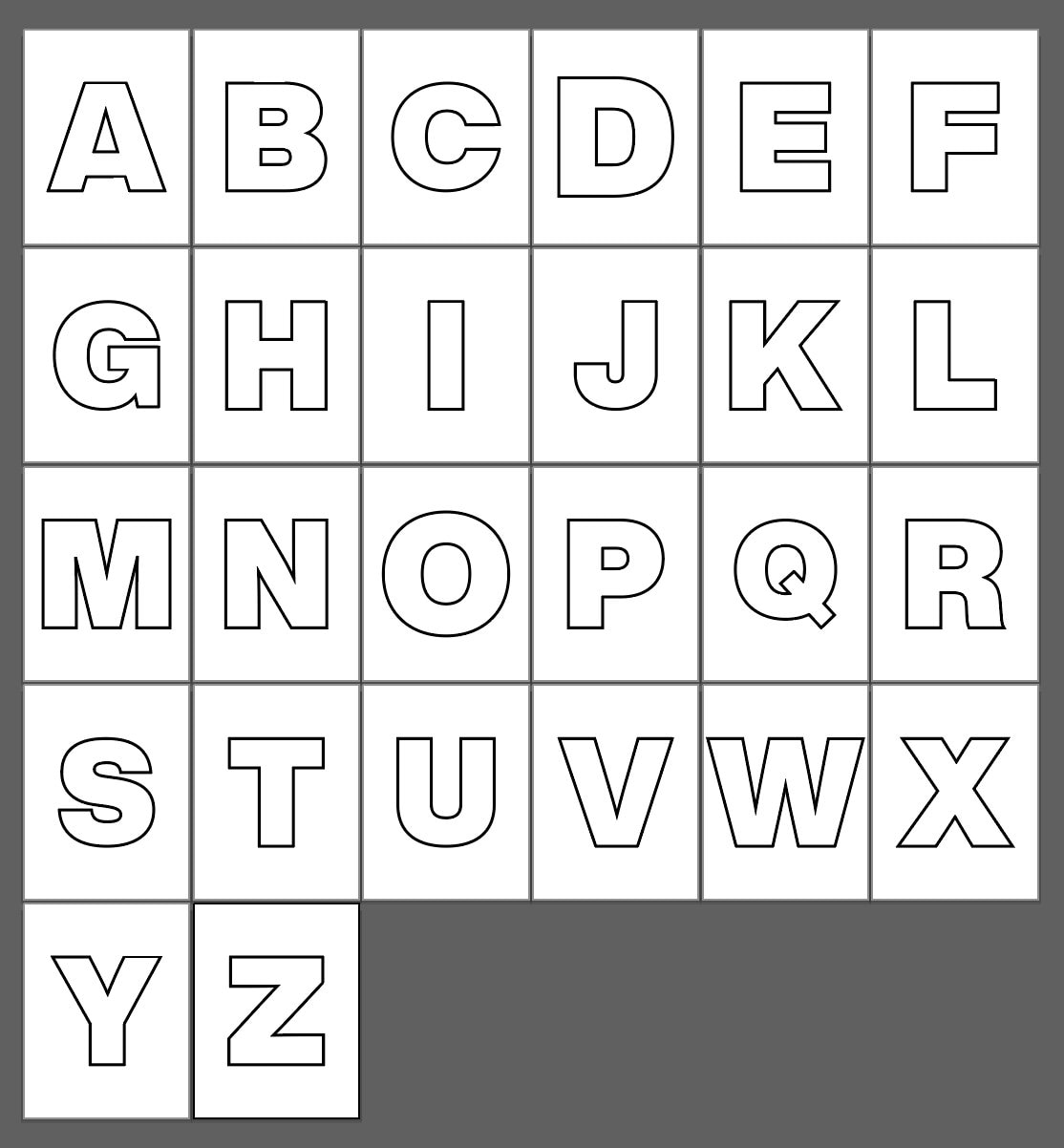
Letters To Print And Color typically consist of outlined letters that children can fill in with colors, patterns, or even stickers. Each letter is designed to be printed on standard 8.5 x 11-inch paper, making it easy to use at home or in the classroom. The outlines are simple enough for young learners but can also be embellished for older children who might want to practice their artistic skills.
What sets this resource apart is its educational duality. While children engage in coloring, they simultaneously learn letter recognition and improve fine motor skills. Plus, the joy of coloring helps keep them motivated and focused on the task at hand.
How to Implement Letters To Print And Color in Your Teaching
Using these printables in a lesson plan can be straightforward and fun. Here’s a simple step-by-step guide for teachers and parents:
- Preparation: Download the Letters To Print And Color from a reliable resource website. Ensure you have a quality printer that handles color well; inkjet printers usually offer the best results for vibrant colors.
- Introduce the Letters: Before handing out the printables, discuss the letters with your students. You might introduce each letter with its phonetic sound and a few words that start with that letter. This sets the stage for the coloring activity.
- Distribute the Printables: Hand out the letters, ensuring each child has one or two to color. You can choose to focus on a single letter per session or allow them to explore multiple letters.
- Coloring Time: Encourage children to fill in the letters with their choice of colors. You can add a twist by asking them to use specific colors (like their favorite colors) or patterns. This not only adds a fun element but also helps with decision-making and creativity.
- Showcase Their Work: Once the letters are colored, consider having a mini art show. Display the finished letters on a bulletin board or in a designated area of the classroom. This boosts confidence and pride in their work.
- Follow-Up Activities: To reinforce learning, you can incorporate follow-up activities such as matching the colored letters with objects that start with the same letter, or even creating simple words using the letters they colored.
Age Appropriateness and Skill Development
Letters To Print And Color are typically suitable for children in preschool through early elementary grades (ages 3-7). At this age, children are developing essential skills that benefit from interactive learning experiences. Here are some skills that this resource helps reinforce:
- Fine Motor Skills: Coloring helps children develop hand-eye coordination and dexterity. The act of holding crayons or markers strengthens their hand muscles.
- Letter Recognition: This activity promotes familiarity with both uppercase and lowercase letters, which is foundational for reading and writing.
- Creativity and Expression: Kids express their personality through colors and designs, allowing them to explore their creative side.
Design Considerations: Choosing the Right Format
When selecting Letters To Print And Color, consider the design and layout. Here are a few important aspects to keep in mind:
- Outline Thickness: Opt for letters with a thicker outline for younger children who are still mastering their coloring skills. Thinner outlines can be suitable for older children who want more intricate designs to color.
- Coloring Space: Ensure that the letters have ample space for coloring. Some designs may include decorative elements that can distract from the main letter; simpler designs often work best for focused learning.
- Variability: Look for resources that offer a variety of styles for each letter. Some children may prefer block letters while others might enjoy cursive or decorative fonts. This variability can keep the activity fresh and engaging.
- Print Quality: Always opt for high-resolution files to ensure that the letters print clearly without pixelation. A PDF format is often ideal, as it preserves the original layout and quality.
Where to Find Quality Letters To Print And Color
There are numerous websites dedicated to providing high-quality educational printables. Look for sites that specialize in educational resources, as they often have a dedicated section for alphabet materials. Some key places to explore include:
- Educational resource websites
- Teacher blogs that focus on early childhood education
- Online marketplaces for printables
- Community forums where teachers share resources
When downloading, make sure to check the file format and resolution. PDFs are often the best choice for maintaining print quality.