
When looking for engaging activities for young learners, Letters To Colour In Free Printable resources are a fantastic option. They not only foster creativity but also help reinforce letter recognition and fine motor skills. These printables are ideal for teachers and parents alike, providing a fun and interactive way to support literacy development.
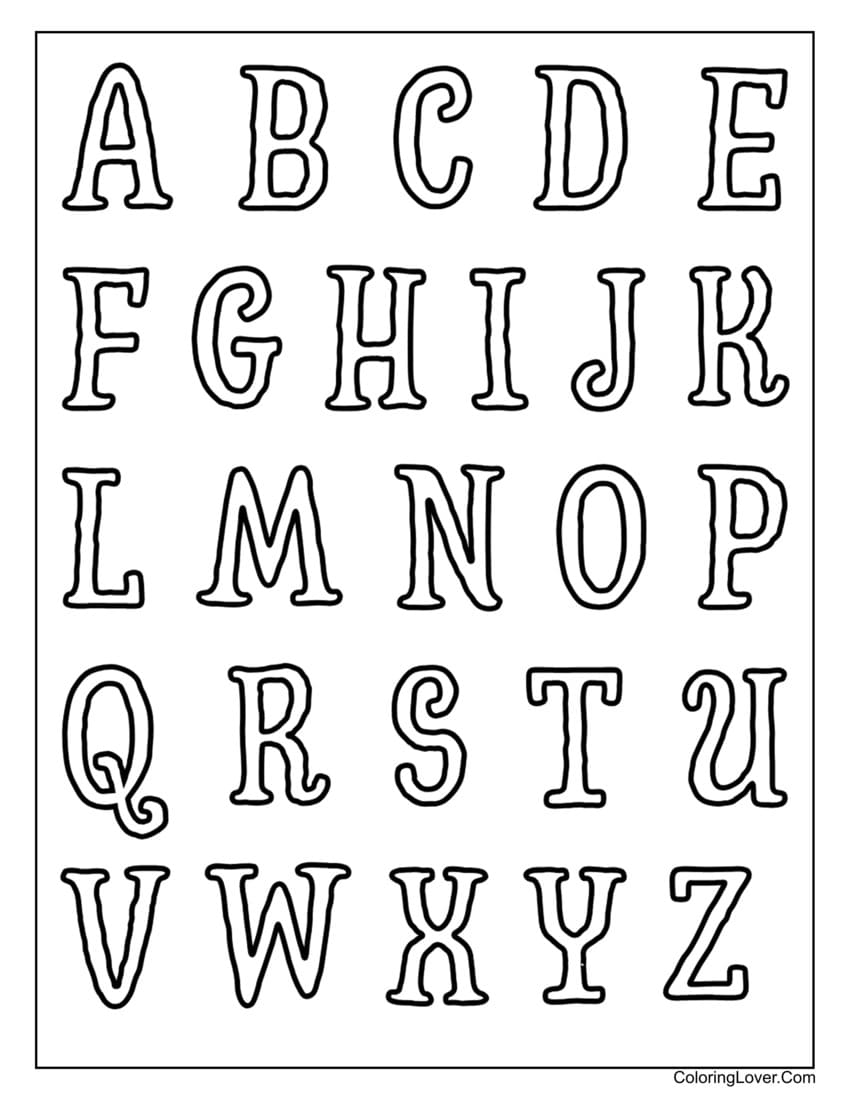
Understanding the Benefits of Colouring Letters
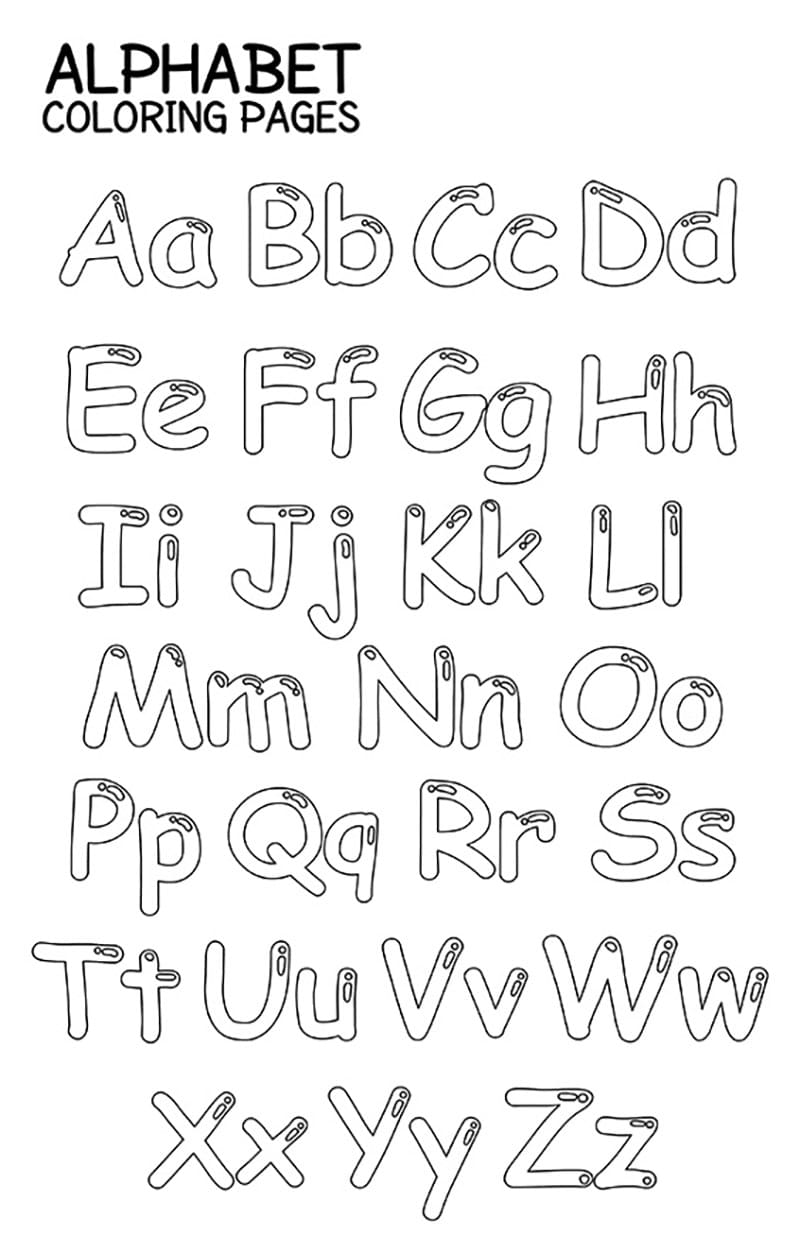
Colouring letters serves multiple educational purposes. First, it enhances fine motor skills as children manipulate crayons or markers to fill in the letters. This activity also promotes hand-eye coordination, which is crucial for writing and other tasks. Additionally, as students colour in each letter, they become more familiar with their shapes and sounds, reinforcing their learning in a playful way.
Moreover, using letters to colour in can be a calming activity, allowing children to express their creativity and focus on a task. This can be particularly beneficial in a classroom setting where students might feel overwhelmed. By integrating these printables into your lesson plans, you create a more balanced learning environment.
Age Appropriateness and Classroom Use
Letters to colour in are suitable for a variety of age groups, primarily targeting preschool and early elementary students (ages 3-7). For preschoolers, these activities can be introduced as simple recognition tasks, while older children can use them to practice letter sounds and writing skills.
In a classroom setting, these printables can be used in several ways:
- Independent Activities: Place the printables in a learning center where students can choose to work on them during free time.
- Group Work: Use them as part of a group art project, allowing students to collaborate and share their coloured letters.
- Homework Assignments: Send them home as creative homework, encouraging parents to engage in their child’s learning.
At home, parents can use these printables for quiet time or as part of a structured learning plan. They can also be a great way to keep children engaged during long trips or waiting periods.
Downloading and Printing Tips
When you find a Letters To Colour In Free Printable resource, consider the following tips to ensure the best results:
- Paper Type: Use heavier paper, such as cardstock, to prevent tearing and to hold up better against markers and crayons.
- Printer Settings: If available, set your printer to “Best Quality” mode for clearer lines. Ensure that your printer is set to the correct paper size (typically A4 or Letter).
- Orientation: Most printables look better when printed in portrait orientation. This layout usually aligns better with children’s natural hand movements while colouring.
If you’re printing multiple copies for a class, consider adjusting your printer settings to print multiple pages per sheet. This can save paper and make it easier to distribute.
Mastery Indicators: How to Tell If Learning Has Clicked
As children work on their letters to colour in, there are key indicators you can observe to assess their understanding and skill development:
- Letter Recognition: Can the child identify each letter correctly? This is a primary goal of the activity.
- Colouring Technique: Look at how they colour. Are they staying within the lines? This can indicate their fine motor skill development.
- Engagement Level: Are they excited about the activity? High engagement often correlates with effective learning.
If you notice that a child struggles with letter recognition or colouring within the lines, consider providing additional support. This might include one-on-one guidance or supplementary activities that reinforce these skills.
Additional Activities to Enhance Learning
To complement the letters to colour in, consider integrating these additional activities:
- Letter Sound Games: After colouring, ask children to come up with words that start with the letters they just coloured.
- Story Time: Read a book that emphasizes the letters or sounds that the children have been working on.
- Art Integration: Let children create a collage using their coloured letters as a base, adding in drawings or cut-out images of items that start with the same letter.
These activities not only reinforce the skills learned through colouring but also provide a multi-faceted approach to literacy.
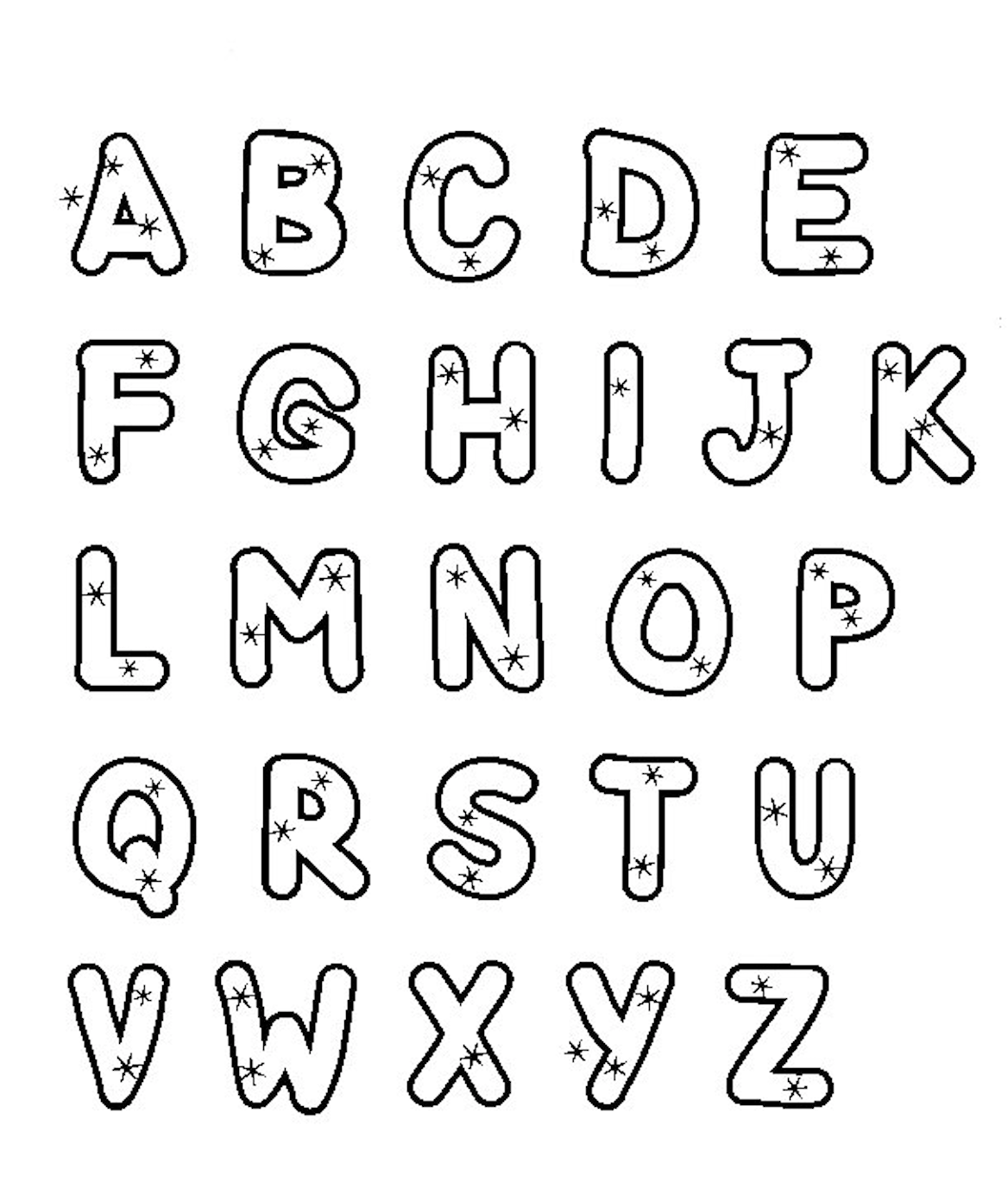
Immediate Action Tip
As you explore Letters To Colour In Free Printable resources, download a few samples for your classroom or home. Print them out, gather your colouring supplies, and create a dedicated space for this activity. This simple step can transform your learning environment and make literacy fun!