
Using Letters To Color In Printable resources can make learning letters both fun and interactive for children. These printables are typically designed with large, clear letters that children can color in, helping them develop fine motor skills, reinforce letter recognition, and express their creativity. Available in various formats, they are easy to download and print, making them a practical choice for teachers, parents, and homeschoolers alike.
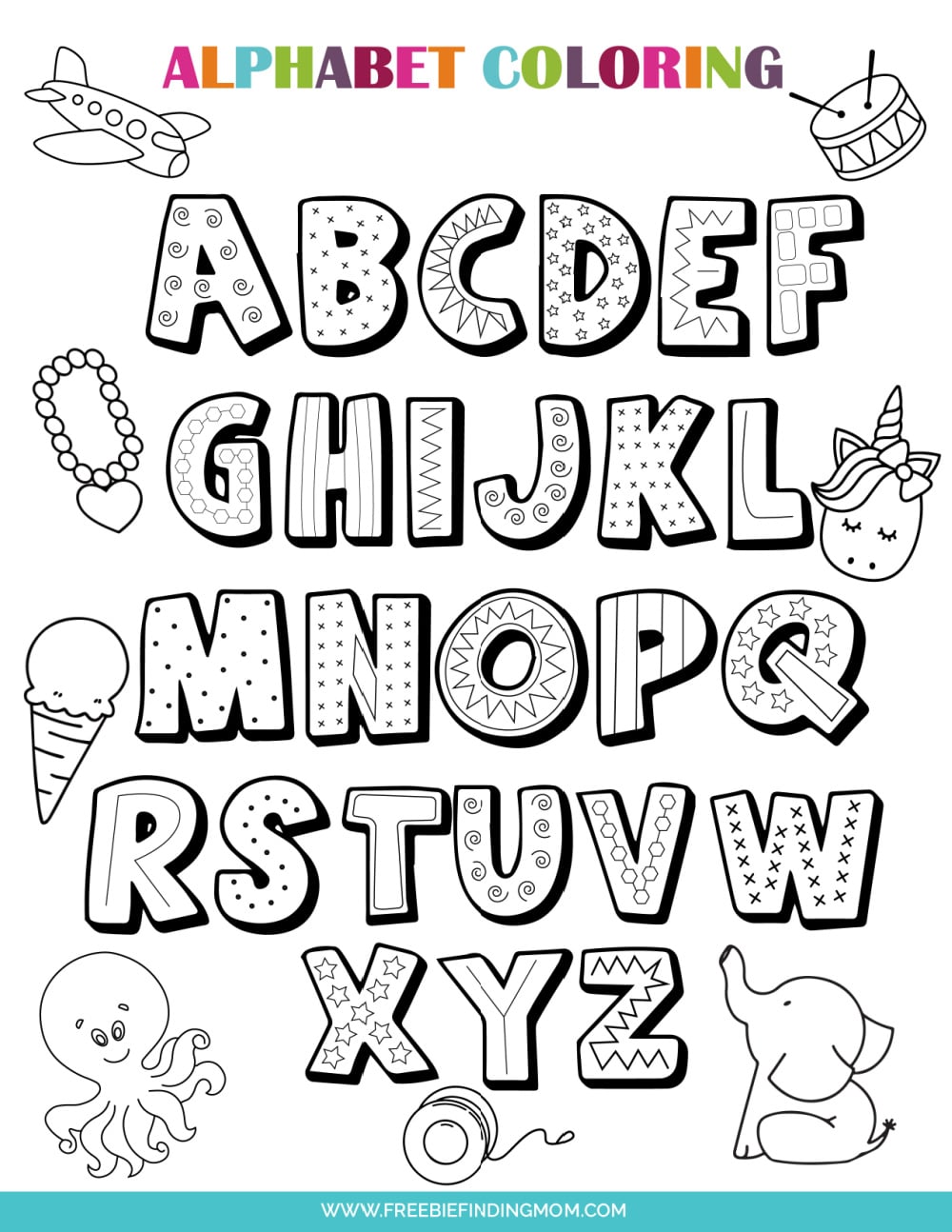
The Benefits of Coloring Letters
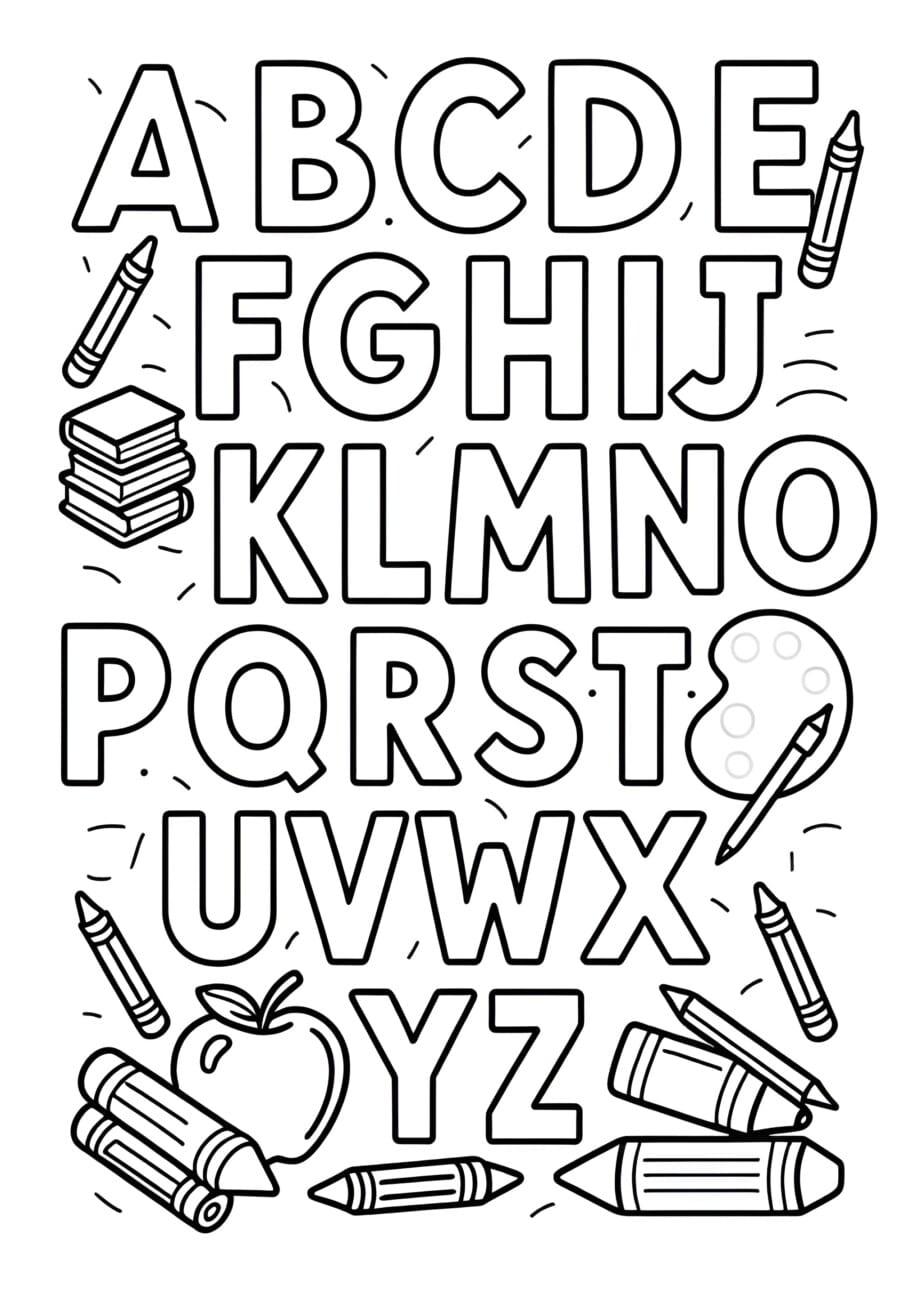
Coloring letters is more than just a fun activity. It serves several educational purposes that can greatly benefit young learners. First, it promotes fine motor skills as children practice holding crayons, markers, or colored pencils. This grip is essential for later writing tasks. Moreover, coloring can improve focus and concentration, as it requires children to pay attention to the details of each letter.
Additionally, coloring letters can enhance letter recognition. As children color each letter, they can say the letter’s name and sound, linking visual and auditory learning. This multisensory approach helps solidify their understanding and retention of the alphabet.
Suggested Age Groups and Classroom Use
Letters To Color In Printable resources are ideal for preschool and early elementary students, typically ages 3 to 7. These printables can be effectively used in various educational settings, including:
- Preschools: Use these printables during circle time or as part of a literacy center.
- Kindergarten: Incorporate them into phonics lessons or as a fun activity during free play.
- Homeschooling: Offer these printables as part of your daily learning routine, providing a hands-on approach to letter recognition.
By integrating these coloring pages into lesson plans, educators can create a dynamic learning environment that captivates young minds.
Layout and Design Features
When selecting Letters To Color In Printable resources, pay attention to layout and design choices that enhance usability. Here are some features to look for:
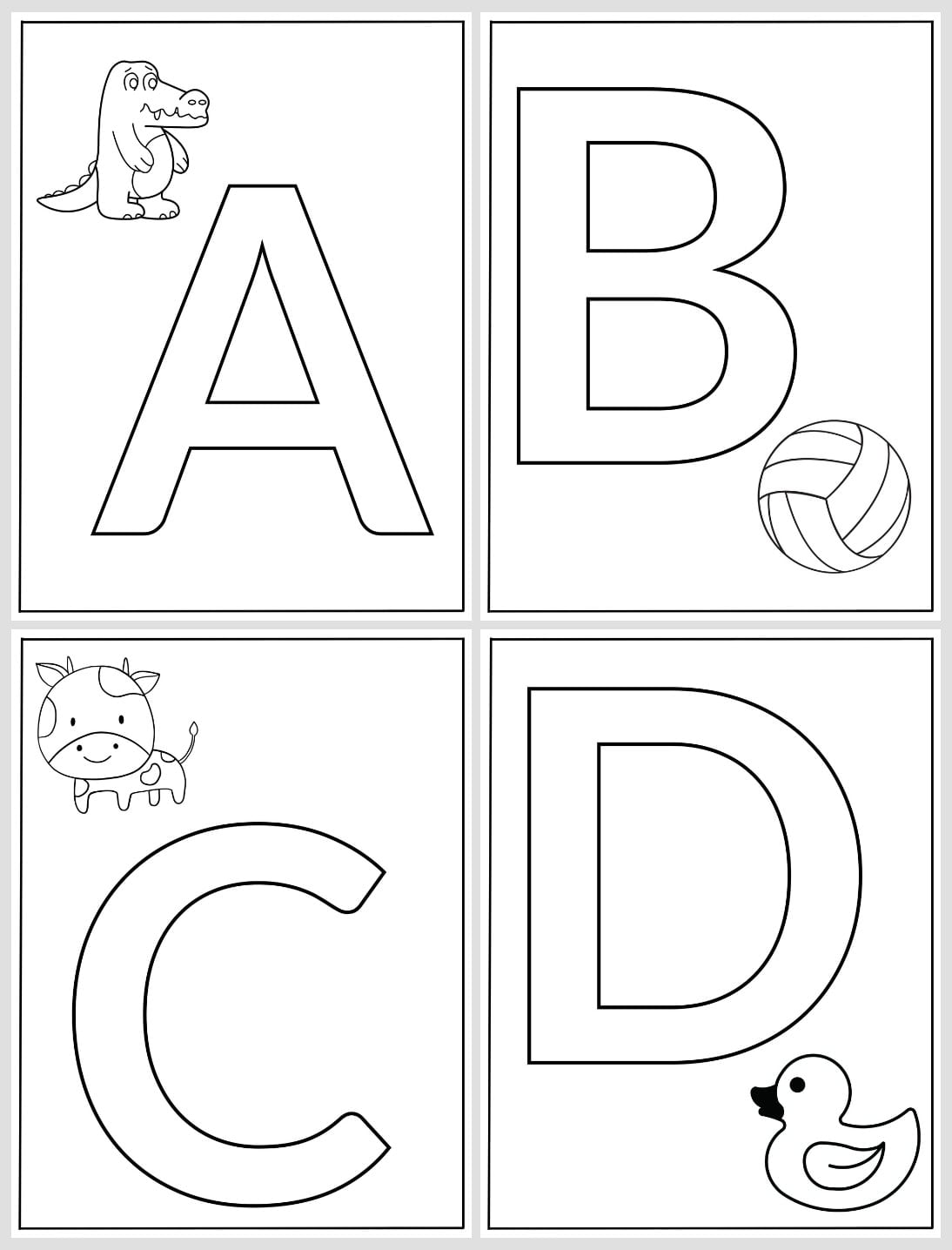
- Large, Bold Letters: Ensure the letters are big enough for small hands to color easily. A font size that’s at least 72 points usually works well.
- Clear Outlines: A thick outline helps children stay within the lines and provides a satisfying coloring experience.
- Variety of Fonts: Different fonts can introduce children to various letter styles, which can be beneficial for their reading development.
- Thematic Elements: Some printables may include themes (like animals or seasons) alongside the letters, making the activity more engaging and relatable.
These design choices make it easier for children to independently use the printables, as they can clearly see their coloring space without additional supervision.
How to Use Letters To Color In Printable Effectively
To get the most out of your Letters To Color In Printable resources, consider the following practical tips:
- Preparation: Print the letters on sturdy paper or cardstock. This prevents tearing and allows for better coloring.
- Coloring Tools: Provide a variety of coloring tools, such as crayons, colored pencils, and markers. This variety encourages creativity.
- Incorporate Learning: As children color, ask them to say the letter out loud, or even come up with words that start with that letter. This reinforces their learning.
- Display Work: After coloring, display the finished letters on a classroom bulletin board or at home. This gives children a sense of accomplishment and pride in their work.
These steps can enhance the learning experience, making it not only educational but also enjoyable.
Additional Activities to Complement Coloring
To further enrich the learning experience with Letters To Color In Printable, consider pairing the coloring activity with other related tasks:
- Matching Games: Create a matching game where children match colored letters with objects that start with that letter. For example, match ‘B’ with a picture of a ball.
- Story Time: Read a story that emphasizes the letters being colored. This helps to contextualize the letters in a fun narrative.
- Letter Crafts: After coloring, transform the letters into crafts. For instance, children can cut out their colored letters and glue them onto a piece of cardboard to create a colorful alphabet poster.
These complementary activities can deepen understanding and make learning letters a well-rounded experience.
Where to Find Letters To Color In Printable Resources
There are many online platforms that offer Letters To Color In Printable resources. Some of the best places to find high-quality printables include:
- Educational Websites: Websites designed for teachers often have a dedicated section for free printables. Some popular sites include Teachers Pay Teachers and Education.com.
- Pinterest: This platform is a treasure trove for printable resources. Search for “letters to color in” and you’ll find countless options.
- Craft Blogs: Many crafting blogs provide free downloadable printables that can be easily printed at home.
When searching for printables, ensure you check for the quality of the images and the ease of downloading and printing.
By utilizing Letters To Color In Printable resources effectively, you can create an engaging and educational space for children to learn their letters. The combination of artistic expression and letter recognition lays a strong foundation for future literacy skills. Remember, the most effective learning experiences are those that combine fun with education, and these printables do just that.