
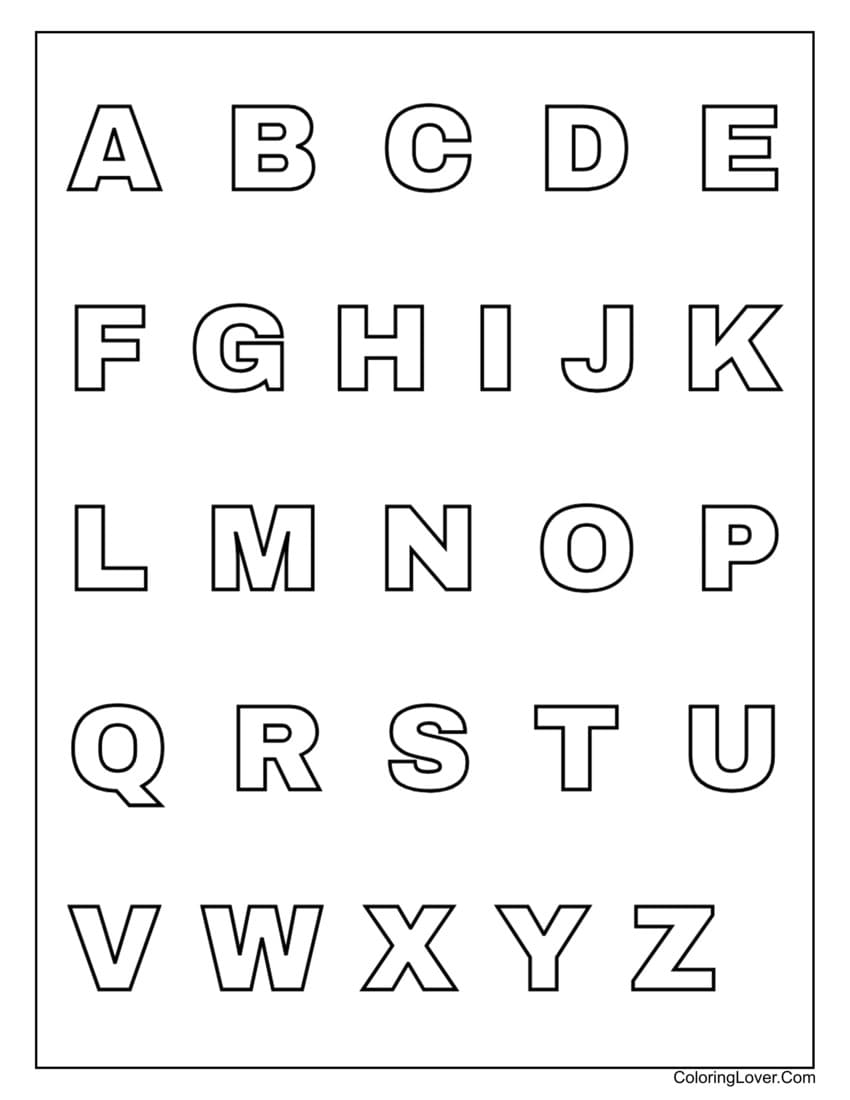
The resource “Letters Of The Alphabet To Colour In” stands out because it combines the fun of coloring with essential literacy skills. This hands-on activity not only captivates young learners but also reinforces their understanding of the alphabet. It’s an excellent way for children to engage with letters, enhancing both their fine motor skills and their ability to recognize and differentiate letters.
Understanding the Educational Benefits
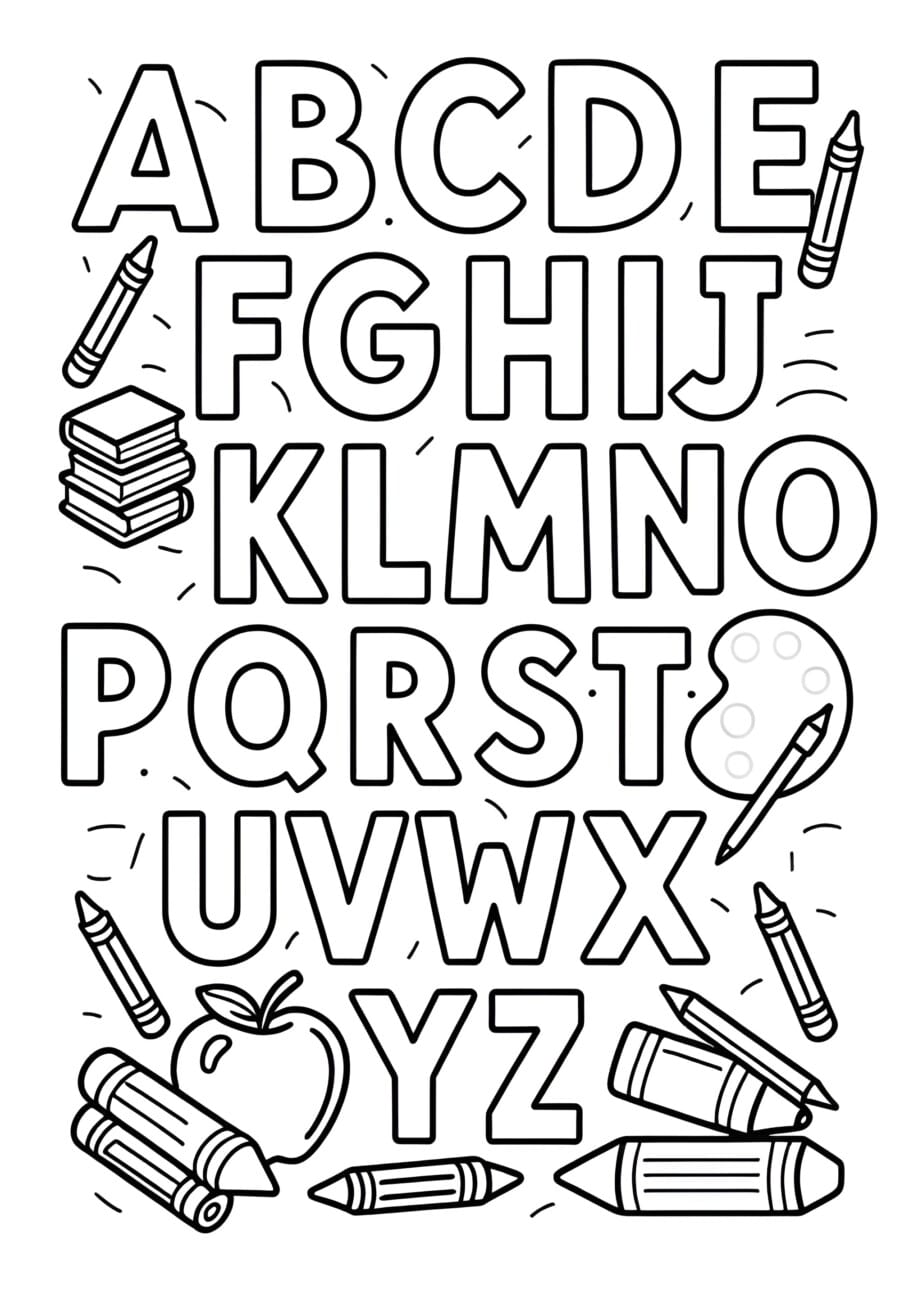
Coloring letters offers various educational benefits for preschoolers and kindergarteners. When young learners take part in these activities, they develop essential skills such as letter recognition, phonetic awareness, and creativity.
One notable aspect of using letters for coloring is that it helps children associate letters with sounds. For instance, when they color the letter “A,” they can say “A is for Apple.” This not only solidifies their understanding of the letter but also introduces them to vocabulary. Additionally, coloring can improve fine motor skills, which are crucial for writing later on.
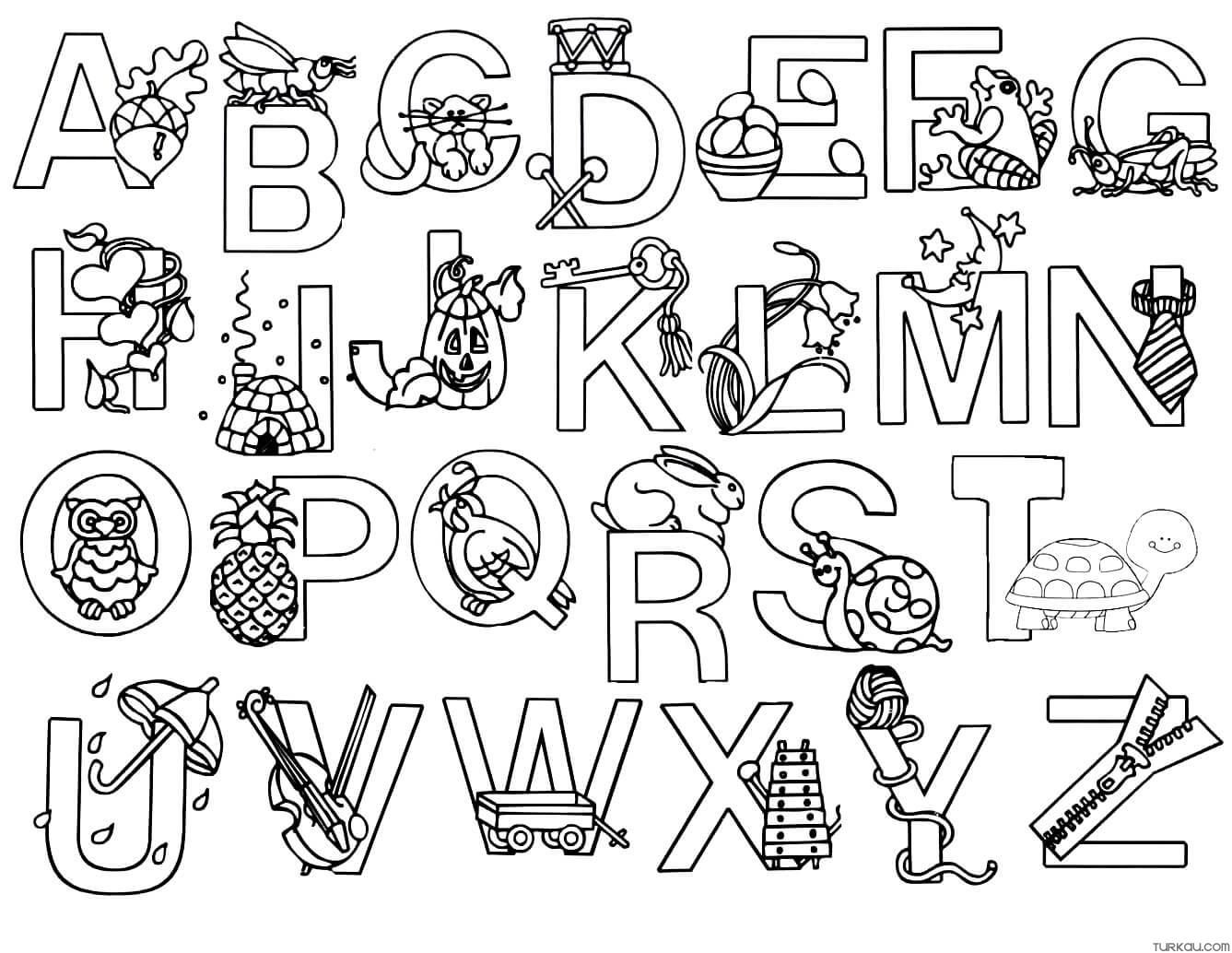
Another benefit is the opportunity for differentiation. You can cater the coloring activity to various skill levels. For example, you might provide a simple outline of letters for beginners while offering more intricate designs for advanced students. This flexibility makes it an ideal resource for mixed-ability classrooms.
How to Incorporate Letters Of The Alphabet To Colour In Into Your Lessons
Integrating “Letters Of The Alphabet To Colour In” into your teaching plan is straightforward. You can use it as a warm-up activity, a center rotation, or a homework assignment.
For warm-ups, consider starting the day with a coloring session to get the students focused and ready to learn. You can set a timer for 10-15 minutes, allowing children to color a few letters. This can also lead into a brief discussion about the letters they colored, promoting verbal skills.
During center rotations, the coloring sheets can be paired with activities like phonics games or letter matching games. This multi-faceted approach reinforces learning through various modalities, catering to different learning styles.
For homework, sending home a page or two can encourage family involvement. Parents can sit with their children, discuss the letters, and help them practice sounds. This not only reinforces classroom learning but also builds a bridge between home and school.
Materials and Setup
When preparing to use “Letters Of The Alphabet To Colour In,” consider the materials you’ll need. Here are some suggestions:
- Paper Type: Standard printing paper works well, but if you want to enhance durability, cardstock is a great choice. It holds up better to repeated use, especially if you plan to laminate the sheets.
- Coloring Supplies: Crayons, colored pencils, or markers can all be used. Crayons are great for younger children as they are less messy, while colored pencils might be better for older students who are developing more control.
- Printer Settings: Ensure your printer is set to the correct paper size, typically 8.5 x 11 inches. Using the best quality setting will ensure clear lines for the children to color in.
Setting up the activity can be as simple as printing the sheets and distributing them. You might also consider creating a coloring station with various supplies available for students to choose from. This encourages independence and creativity.
Engaging Variations
To keep the activity fresh and engaging, consider introducing variations. Here are a couple of ideas:
- Theme-Based Coloring: Align the letters with themes such as seasons, animals, or holidays. For example, during autumn, you could focus on letters associated with fall, like “F is for Fox” or “P is for Pumpkin.” This adds a layer of thematic learning to the activity.
- Group Projects: Have students work in pairs or small groups to color a large banner with letters. They can then present their section to the class, discussing the letters and the words associated with them. This fosters teamwork and communication skills.
- Digital Options: If you have access to tablets or computers, consider using digital coloring apps where children can color letters on a screen. This can appeal to tech-savvy learners and provide an alternative way to engage with the content.
Assessment and Feedback
Assessing children’s understanding after they complete the “Letters Of The Alphabet To Colour In” activity can be done through informal observations. Watch how they interact with the letters and whether they can correctly identify them. You can ask questions about the letters they colored or have them share their favorite letter and why.
Feedback is crucial, so consider providing positive reinforcement. Compliment their creativity and efforts, and if they struggle with certain letters, gently guide them to recognize and pronounce those letters correctly.