
Using letter printouts can significantly improve literacy and language skills for children in various educational settings. If you are a teacher, parent, or caregiver, Letter Printouts A To Z provide a structured way to engage kids and help them master letter recognition, phonics, and handwriting. guide you through the effective use of these printouts, ensuring that you can maximize their educational value in classrooms, homeschool environments, or at home.
What Are Letter Printouts A To Z?
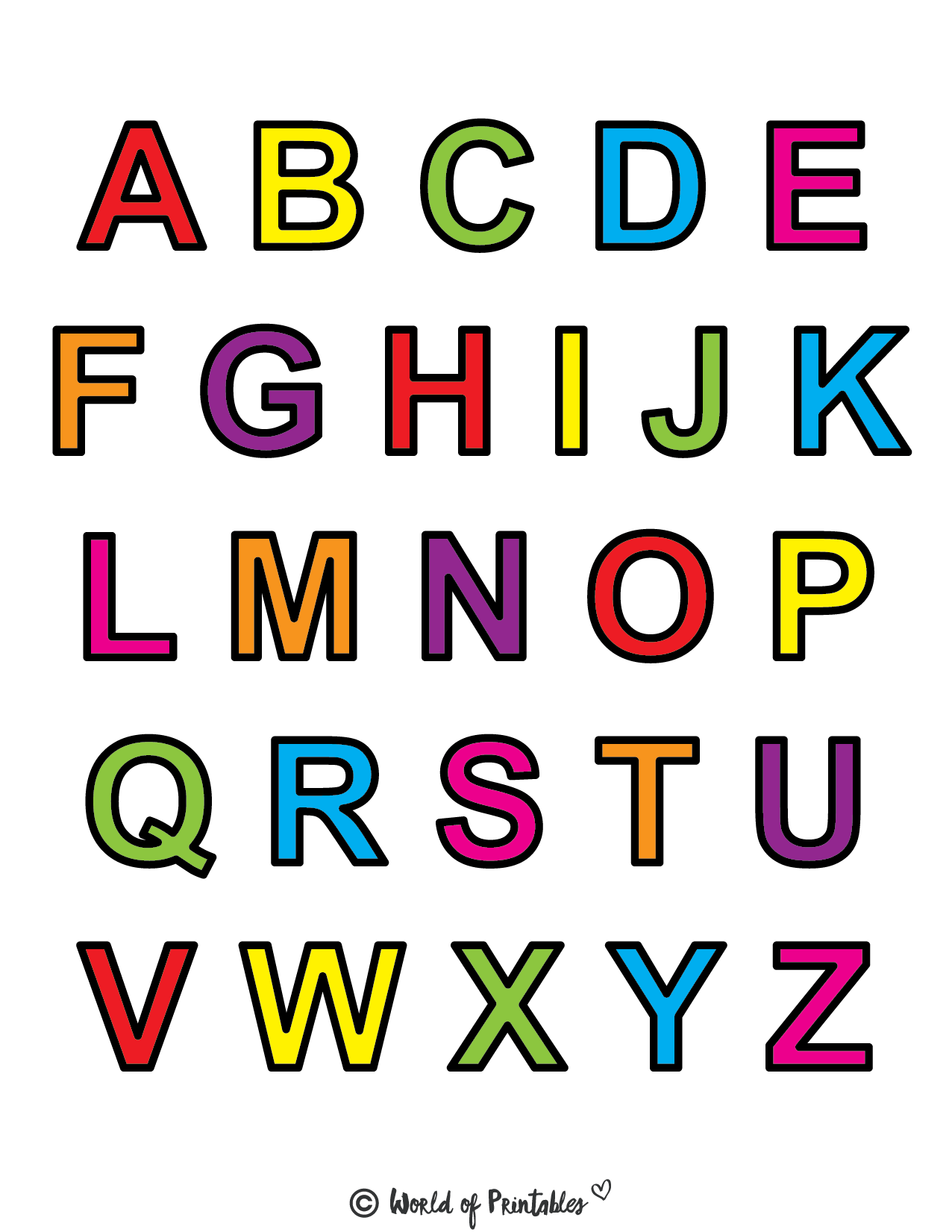
Letter Printouts A To Z are printable resources that feature each letter of the alphabet. These printouts can include various designs, such as:
- Uppercase and lowercase letters
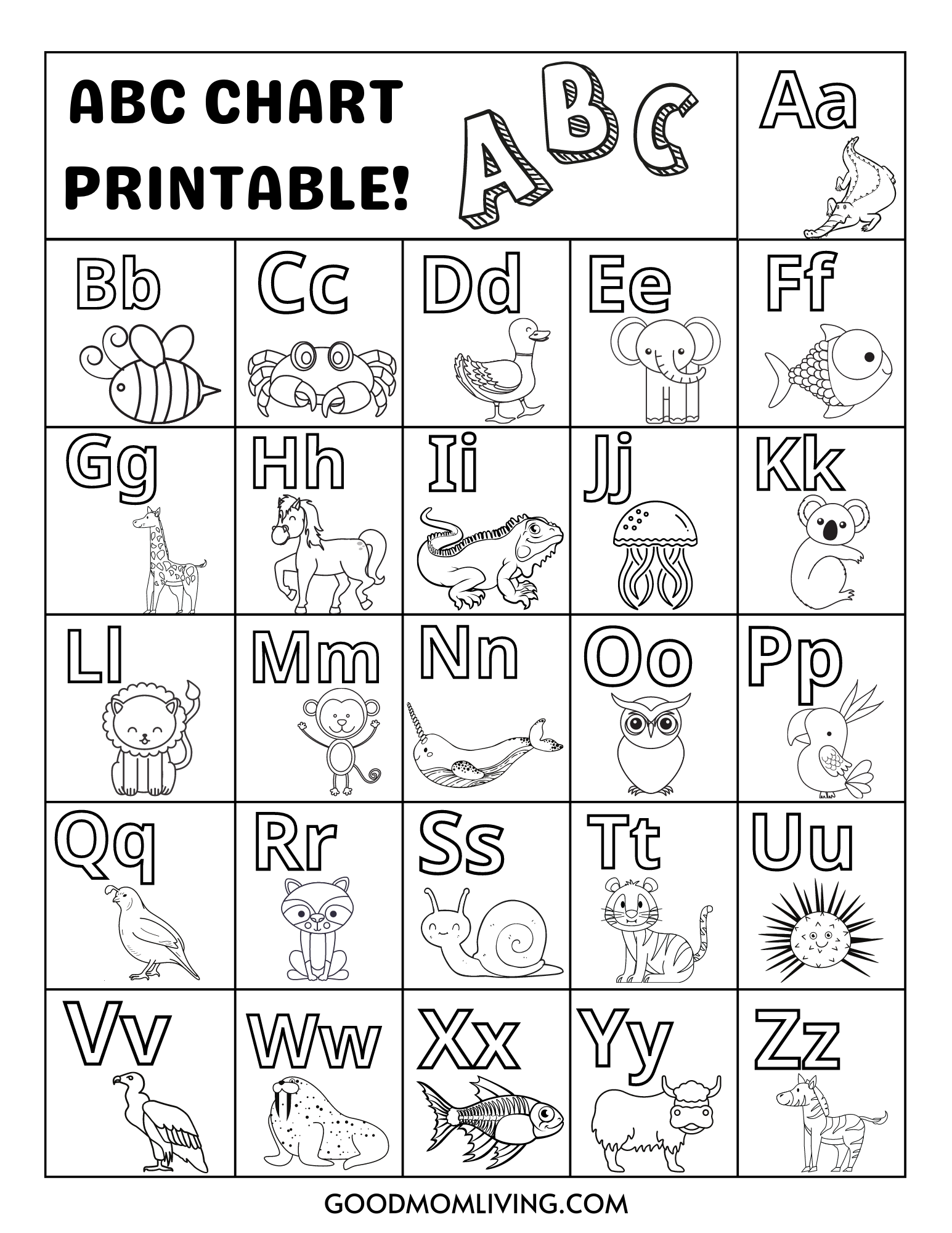
- Coloring pages for each letter
- Worksheets for tracing and writing
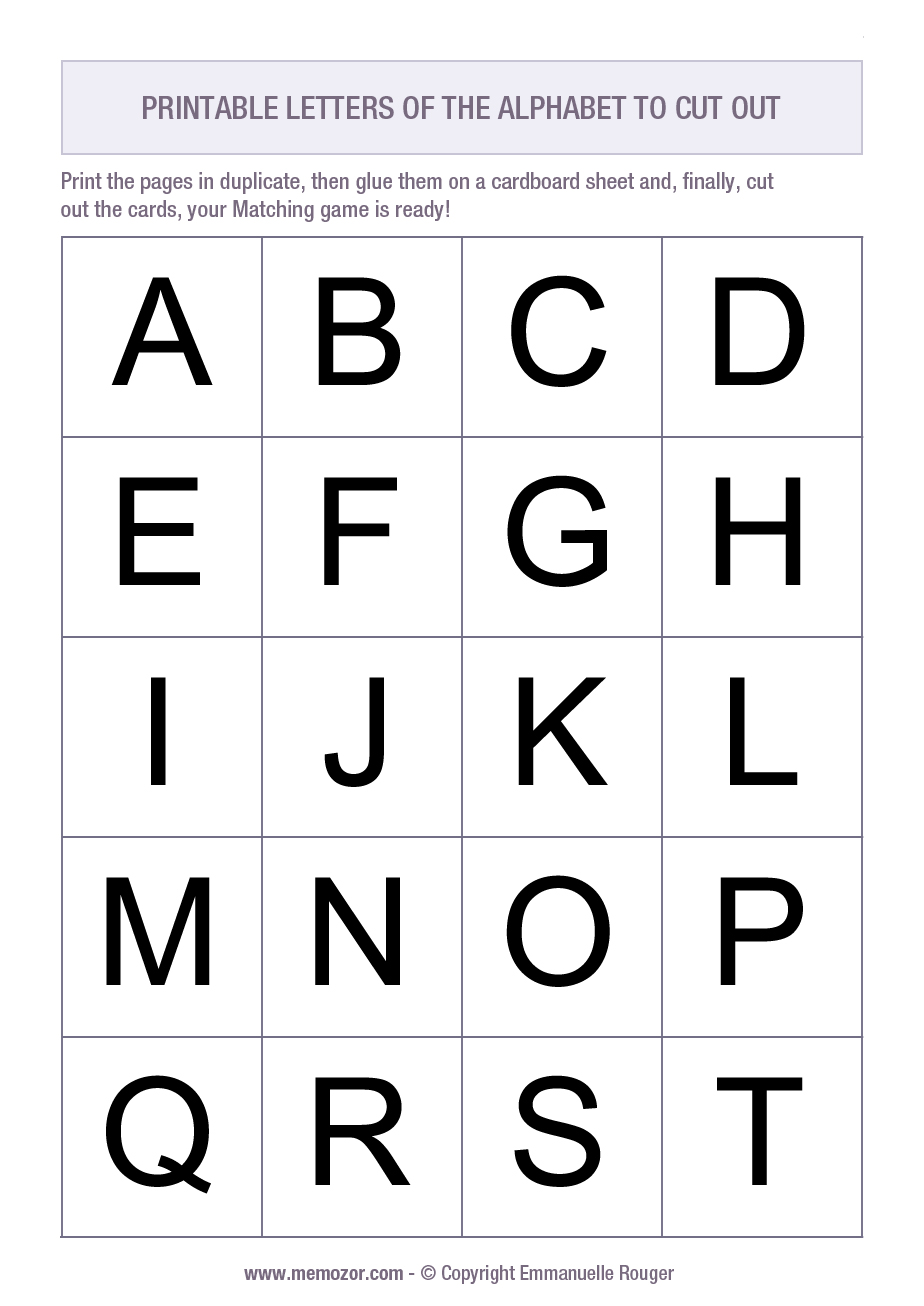
- Flashcards for quick recognition
These resources are often available in PDF format, making them easy to download, print, and use. By integrating these printouts into your teaching methods, you can create engaging lessons that help children recognize and write letters more effectively.
Engaging Activities With Letter Printouts
Incorporating Letter Printouts A To Z into your educational activities can be both fun and informative. Here are several ideas to help you get started:
Letter Tracing Worksheets
One of the most effective ways to help children learn is through tracing. You can print out worksheets that feature dotted letters, allowing kids to practice their handwriting skills. Here’s how to set it up:
- Select the printouts for the letters your students need to practice.
- Use a dry-erase marker on laminated sheets for repeated use. This way, children can trace the letters multiple times without wasting paper.
- Monitor progress by checking their completion of the worksheets and ensuring they form letters correctly.
Alphabet Coloring Pages
Coloring pages are a fantastic way to keep younger children engaged while reinforcing their letter recognition. Here’s how to implement this activity:
- Print coloring pages for each letter, featuring relevant illustrations (like an apple for “A” and a ball for “B”).
- Encourage creativity by letting children choose colors and decorate the letters.
- Discuss each letter as they color, including its sound and examples of words that start with that letter.
Flashcard Games
Using flashcards is an excellent way to make learning interactive. You can create a set of flashcards using the Letter Printouts A To Z. Here’s a simple game to play:
- Print and cut out the flashcards, ensuring each letter is on a separate card.
- Shuffle the cards and place them face down.
- Take turns flipping two cards at a time and trying to find matching letters or corresponding images.
- Encourage students to say the letter and a word that starts with it each time they reveal a card.
Assessing Mastery of Skills
As you engage children with Letter Printouts A To Z, it’s essential to assess their understanding and mastery of the skills being taught. Here are some effective methods:
- Observation: Pay attention to how easily they recognize letters and form them when writing.
- Worksheets: Regularly check completed worksheets for accuracy and neatness.
- Progress Tracking: Maintain a simple log of each child’s performance on activities to identify areas where they may need additional practice.
Practical Tips for Using Letter Printouts
To make the most out of your Letter Printouts A To Z, consider these practical tips:
- Use Quality Paper: If you’re planning to laminate worksheets or flashcards, use cardstock for durability. This will extend the lifespan of your printouts, especially in a classroom setting.
- Adjust Paper Size: Standard A4 or letter-size paper works best for most printouts, but be mindful of your printer settings to avoid any cutting off of letters.
- Create a Learning Center: Set up a dedicated space in your classroom or home for letter activities. Include printouts, markers, and coloring supplies to encourage independent learning.
Incorporating Technology
In today’s digital age, many teachers and parents are looking for ways to blend traditional learning with technology. You might consider:
- Digital Versions: Some resources allow for digital interaction, where kids can trace letters on tablets.
- Interactive Games: Use apps that incorporate letter recognition and writing skills, complementing the physical printouts.