
Finding engaging and effective educational resources can sometimes feel overwhelming. One great solution for enhancing literacy skills in young learners is through the use of Images Of Letters A To Z Printable. These printables not only make learning fun but also provide essential visual aids that can help teach the alphabet in a structured and appealing way. This guide will walk you through how to effectively utilize these printables in your classroom or homeschool setting.
Understanding the Importance of Alphabet Recognition
Alphabet recognition is a foundational skill for early literacy. Children need to identify both uppercase and lowercase letters, understand their sounds, and recognize them in various contexts. Images Of Letters A To Z Printable serve as visual tools to reinforce these concepts. By associating letters with images, children can better remember each letter’s shape and sound, which is crucial for reading and writing.
Choosing the Right Printable Resources
When selecting Images Of Letters A To Z Printable, consider the following:
- Age Appropriateness: Ensure the images and designs are suited for your student’s age group. Younger children may benefit from colorful, cartoonish designs, while older students might prefer more straightforward and sophisticated styles.
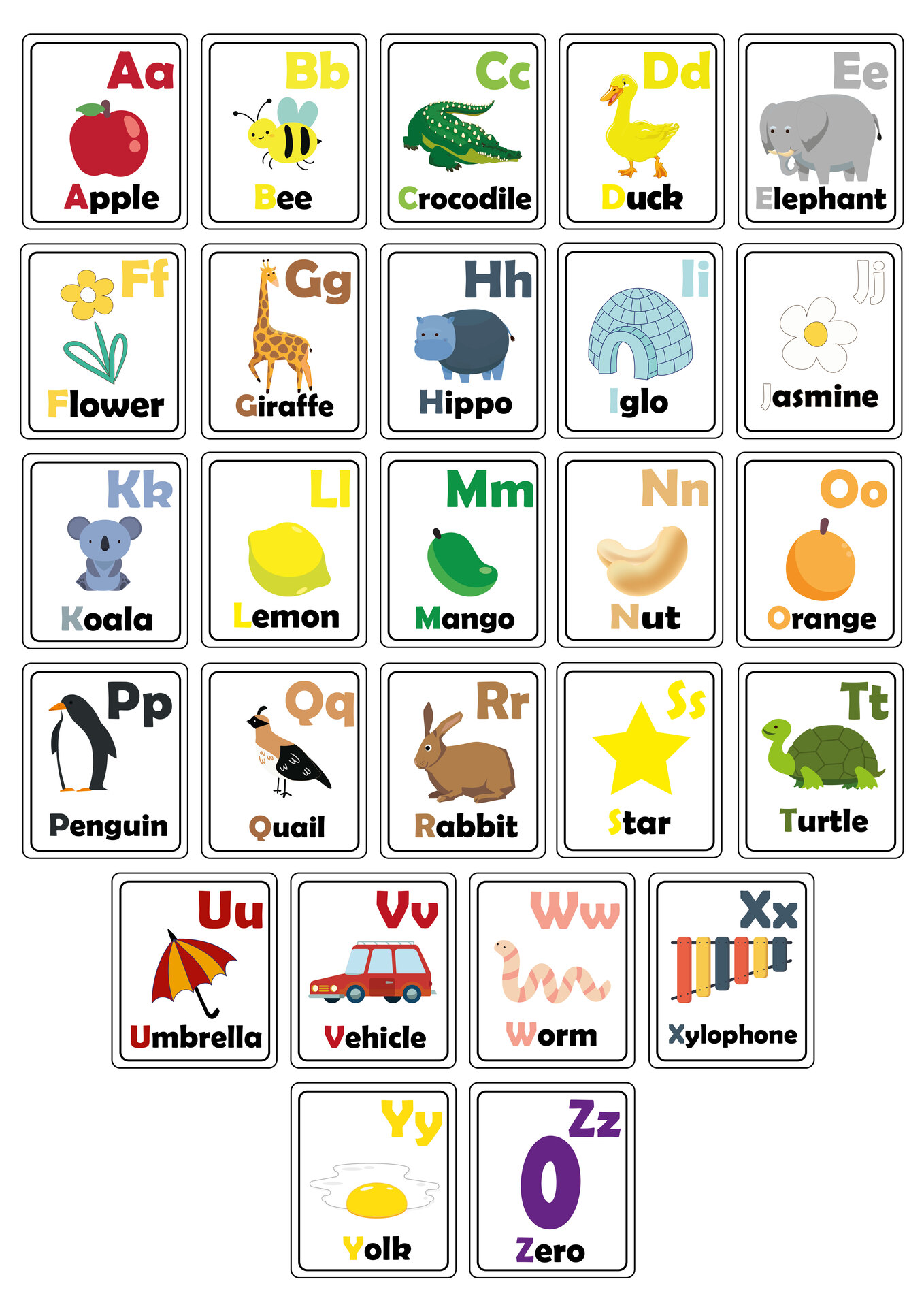
- Educational Value: Look for resources that not only display letters but also integrate corresponding images that can enhance vocabulary. For example, an image of an apple for the letter “A” helps connect the letter to a familiar object.
- Format: Choose printables in a format that is easy to download and print. PDFs are often the best choice as they maintain formatting across different devices.
Downloading and Printing Your Resources
Once you’ve selected the right printables, follow these steps to get them ready for use:
- Download the Printables: Click on the download link, and save the file to your computer. Make sure you choose the correct format, typically PDF.
- Print Settings: Before printing, adjust the settings on your printer. Portrait layout often works best for alphabet images, and using cardstock instead of regular paper can enhance durability, especially if you plan to laminate them.
- Bulk Printing: If you’re preparing these for an entire class, consider printing multiple copies. This will allow each student to have their own set for hands-on activities.
Setting Up Your Classroom Activities
Once your Images Of Letters A To Z Printable are ready, it’s time to incorporate them into your teaching activities. Here are a few ideas:
- Alphabet Wall: Create an alphabet wall display in your classroom. Arrange the images in order from A to Z, allowing students to reference them during lessons.
- Interactive Games: Use the printables for various games. For example, you can play “Letter Bingo” where students mark off letters as they are called out or create a matching game where they pair letters with corresponding images.
- Art Projects: Encourage creativity by having students decorate their own letter images. They can color them, add stickers, or even create a collage of items that start with that letter.
Review and Assessment Techniques
To ensure that students are grasping the concepts, incorporate review techniques that utilize the printables:
- Flashcard Reviews: Cut out the images and letters to create flashcards. Regularly review these with the class or in small groups to reinforce recognition.
- Sound Identification: Hold up an image and ask students to identify both the letter and the sound it represents. This reinforces phonetic awareness alongside visual recognition.
- Worksheets: Create worksheets that allow students to trace letters or match letters with images. This provides a hands-on approach to learning.
Adapting for Different Learning Styles
Every student learns differently, so it’s important to adapt your approach based on individual needs. Here are some strategies:
- Visual Learners: Use colorful printables and encourage these students to create their own illustrations for each letter.
- Auditory Learners: Incorporate songs or rhymes that focus on the alphabet, using your printables as visual aids during the activity.
- Kinesthetic Learners: Create interactive activities where students can physically manipulate the letters and images, such as building words with letter cutouts.