
One of the biggest challenges for early learners is mastering the alphabet. Many children struggle with letter formation, which can impact their confidence and writing skills. The Free Printable Learn To Write Alphabet resource is here to help. This printable will make practicing letter writing engaging and effective, If you are a teacher in a classroom or a parent supporting your child at home.
Understanding the Resource
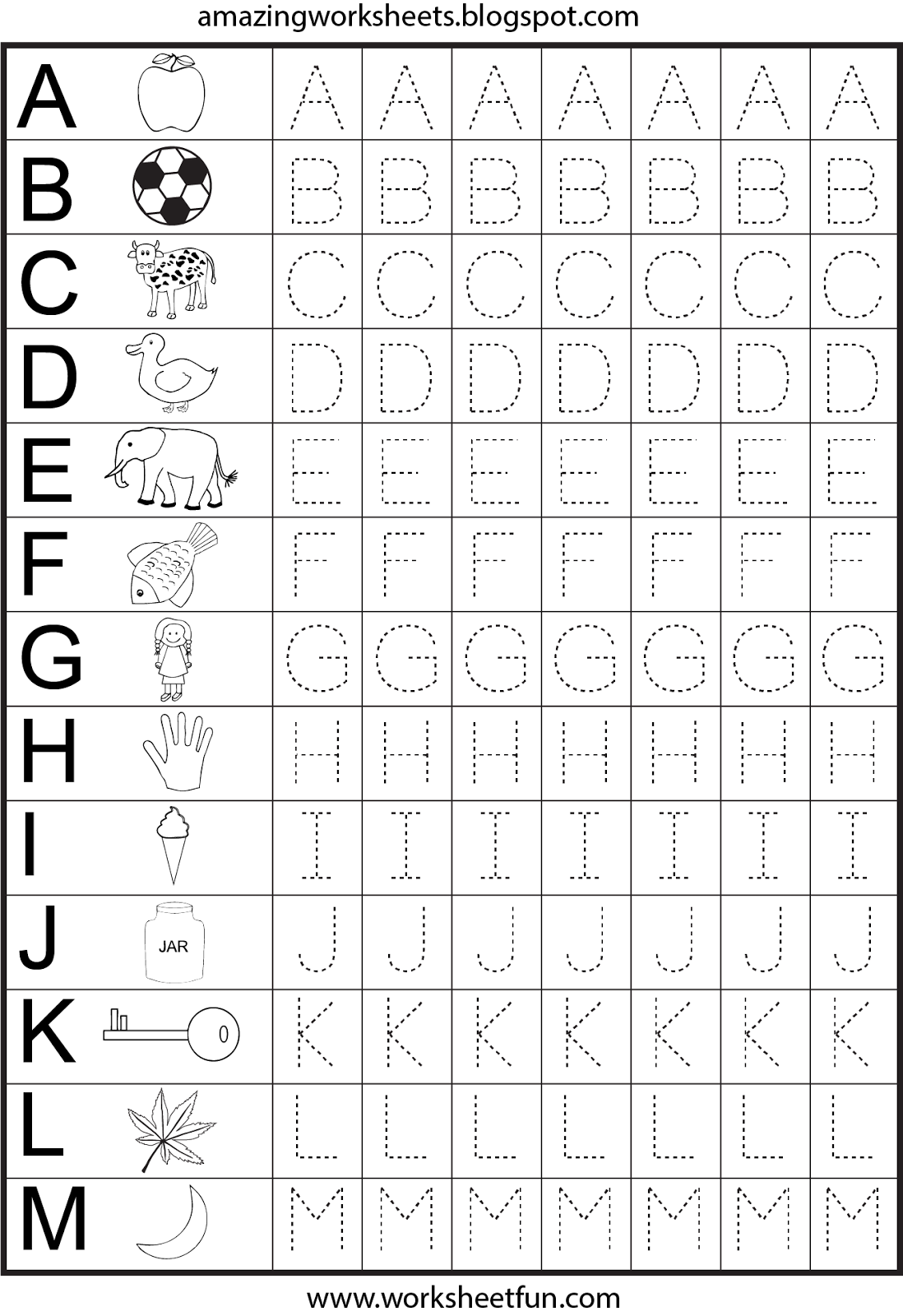
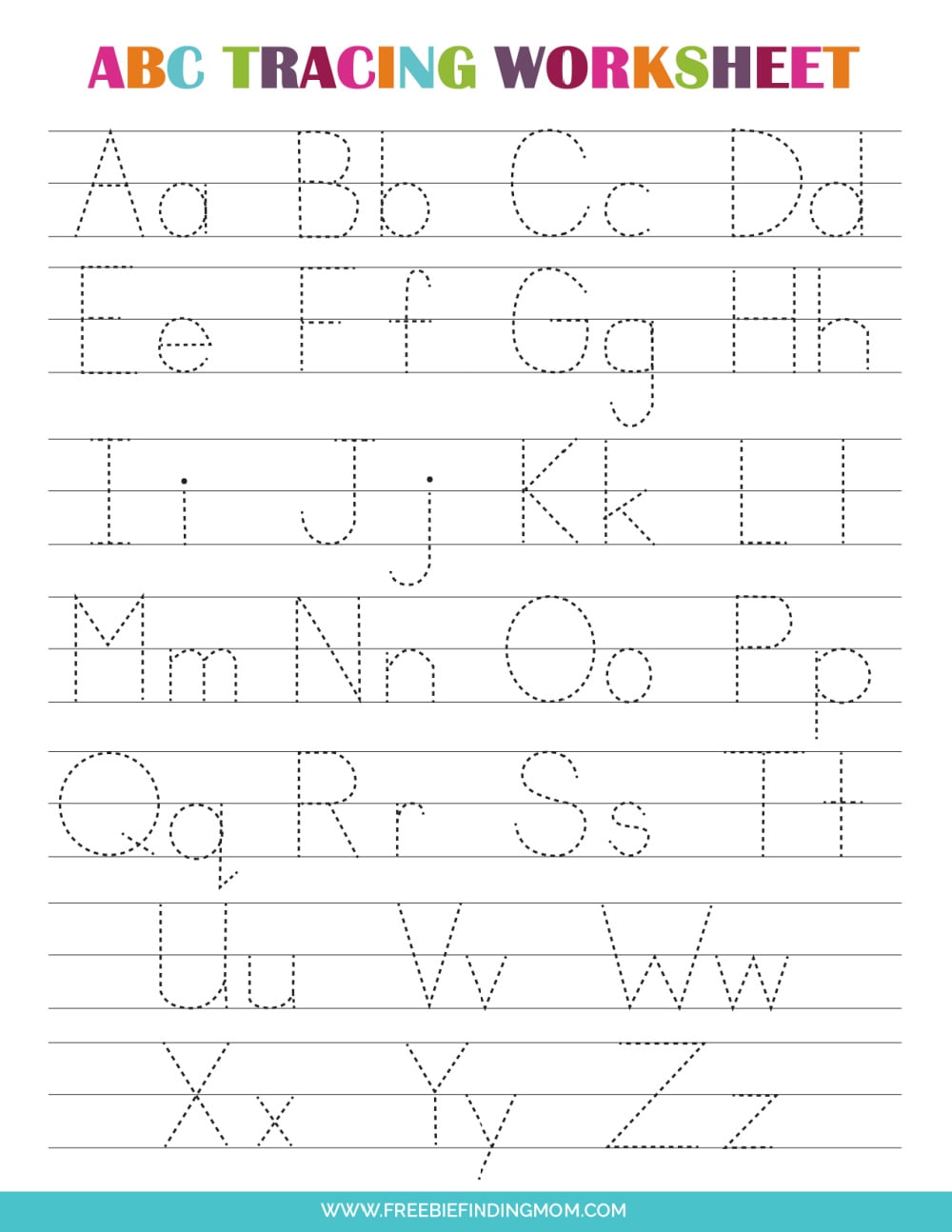
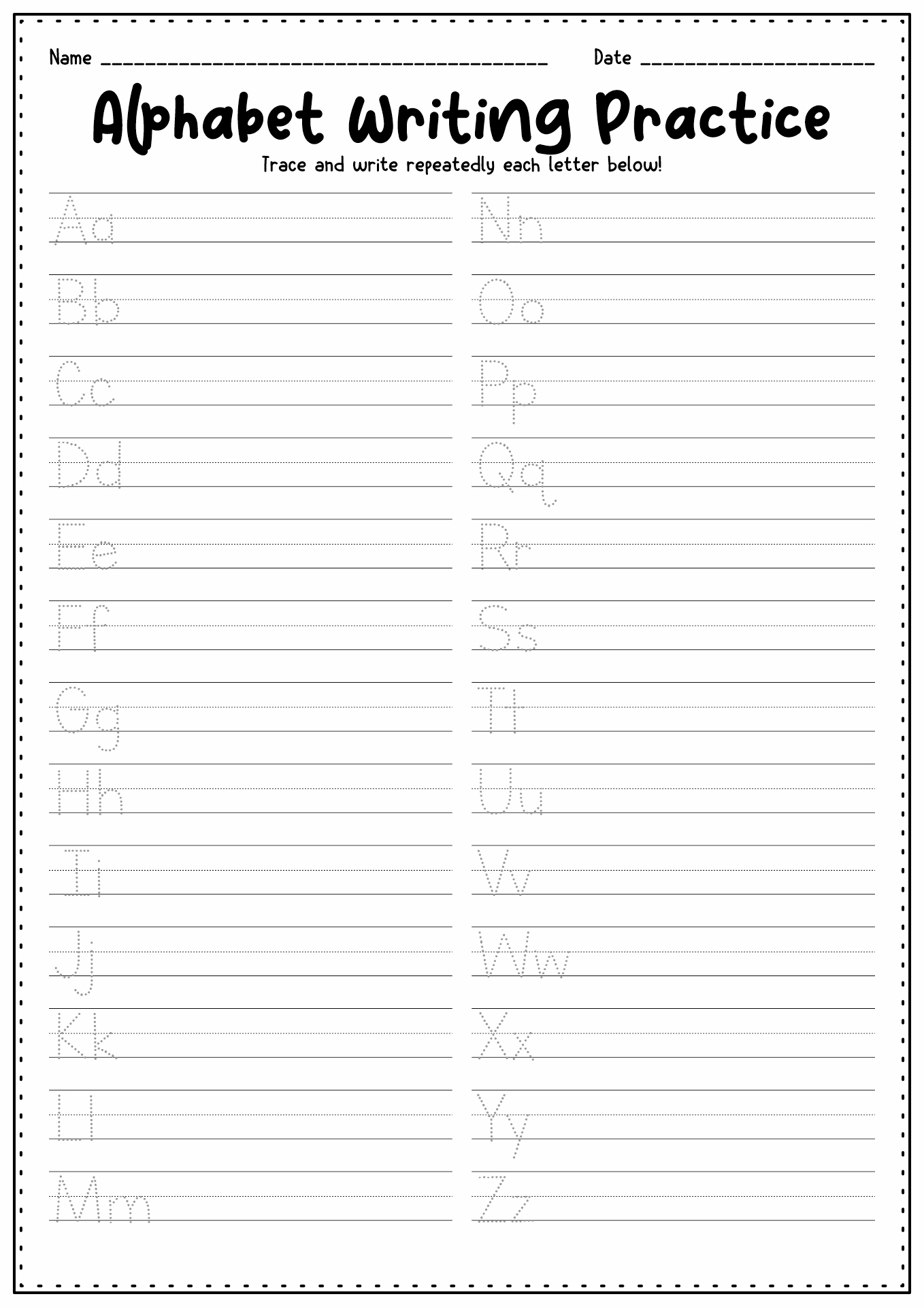
The Free Printable Learn To Write Alphabet resource focuses on helping children develop their handwriting skills. This printable includes both uppercase and lowercase letters, providing a comprehensive approach to letter writing. Each letter is typically presented with dotted lines that guide children in how to form each letter correctly.
This resource is best suited for preschool to early elementary school students, typically ages 4 to 7. By using this printable, children can practice their fine motor skills while becoming familiar with the letters of the alphabet.
Choosing Your Printable
Before diving into practice, it’s essential to select the right version of the printable. The Free Printable Learn To Write Alphabet comes in various formats, including:
- Standard A4 size
- Letter size (8.5 x 11 inches)
Both formats work well, so choose based on your printer’s capabilities. Portrait layout is generally recommended for most home printers, as this orientation allows for easier handling and writing.
Downloading and Printing
Once you’ve picked the appropriate format, the next step is to download the printable. Here’s how to do it:
- Find the Resource: Go to the designated printable resource website.
- Select the Download Option: Click on the link for the Free Printable Learn To Write Alphabet to initiate the download.
- Save the File: Choose a location on your device where you can easily access the file.
- Print the Pages: Open the downloaded PDF and select the print option. If you’re using a standard home printer, ensure you have enough paper and check your settings.
When printing, consider using cardstock if you want the pages to be more durable, especially if they will be used multiple times. Printing on regular printer paper is fine for casual use but may not withstand heavy erasing.
Setting Up for Practice
Once you have your printouts ready, it’s time to set up for practice. Here’s how to create an effective learning environment:
- Gather Supplies: Provide your child with a pencil or erasable marker, as these tools will encourage them to practice without fear of making mistakes.
- Create a Comfortable Workspace: Ensure the area is well-lit and free from distractions. A quiet corner or a dedicated study table works best.
- Introduce the Alphabet: Go through the letters together. Explain that each letter has a unique shape and sound, which can help them remember better.
Structuring Practice Sessions
To maximize learning, structure practice sessions with clear objectives. Here are some tips:
- Short Sessions: Limit practice to 10-15 minutes for younger children to keep their attention focused.
- Positive Reinforcement: Celebrate small achievements. If they form a letter correctly, offer praise or a small reward.
- Repetition is Key: Encourage your child to trace each letter multiple times. Repeated practice reinforces muscle memory, making it easier for them to write independently.
Tracking Progress
To keep motivation high, track your child’s progress. You can do this by:
- Creating a Checklist: Mark off letters as your child masters them. This visual representation helps them see their progress.
- Setting Goals: Establish achievable goals, such as mastering a specific number of letters each week.
Expanding Beyond the Basics
Once your child is comfortable with the letters, you can expand their learning. Here are some ideas:
- Introduce Simple Words: Combine letters to form simple words. This reinforces their understanding and application of the letters.
- Engage in Fun Activities: Incorporate games like “letter scavenger hunts” where they find and write letters around the house or classroom.
- Use Coloring Pages: Pair the writing practice with coloring pages that focus on letters. This helps in making learning enjoyable.
Additional Tips for Success
- Use Different Writing Tools: Encourage your child to experiment with crayons, markers, or even finger painting for a multisensory experience.
- Make It Interactive: Use apps or websites that focus on letter formation for additional practice.
- Stay Patient: Every child learns at their own pace. Be patient and supportive throughout their learning journey.
By utilizing the Free Printable Learn To Write Alphabet, you’re not just teaching letters; you’re building a foundation for lifelong writing skills. With consistent practice and encouragement, your child will gain confidence and proficiency in their handwriting.
Start today, and watch your child grow as they master the alphabet!