
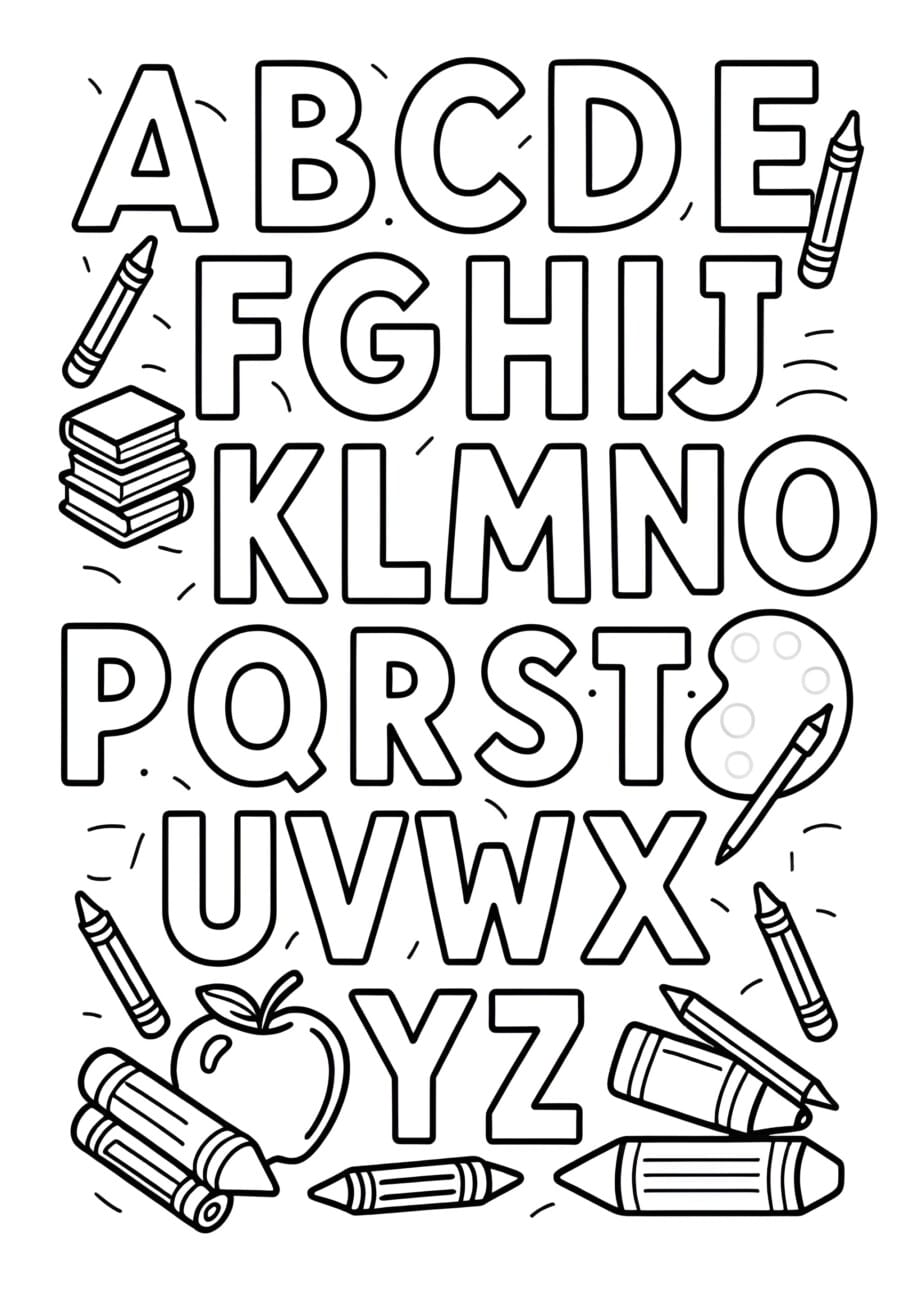
In a cozy classroom, Ms. Thompson notices little Emma struggling with her letters during a writing exercise. To make learning more enjoyable, she decides to introduce a fun resource: free printable alphabet letters to color. This simple yet effective tool can transform the way children engage with letters, making practice feel like play. By providing children with opportunities to color and express their creativity, teachers and parents can reinforce letter recognition and phonics skills in an enjoyable way.
Why Use Free Printable Alphabet Letters To Color?
Using free printable alphabet letters to color serves multiple educational purposes. Coloring letters not only captivates children’s attention but also helps develop fine motor skills. As they color, children strengthen their hand muscles, which is essential for writing. Additionally, associating colors with letters can aid memory retention, making it easier for children to recall alphabet shapes and sounds.
This resource is particularly useful for preschool and kindergarten classrooms, where foundational skills are laid. Not only does coloring provide a break from traditional learning methods, but it also encourages creativity. Children can experiment with different colors, patterns, and designs, allowing for personal expression while they learn.
How to Use Printable Alphabet Letters Effectively
1. Preparation for Use
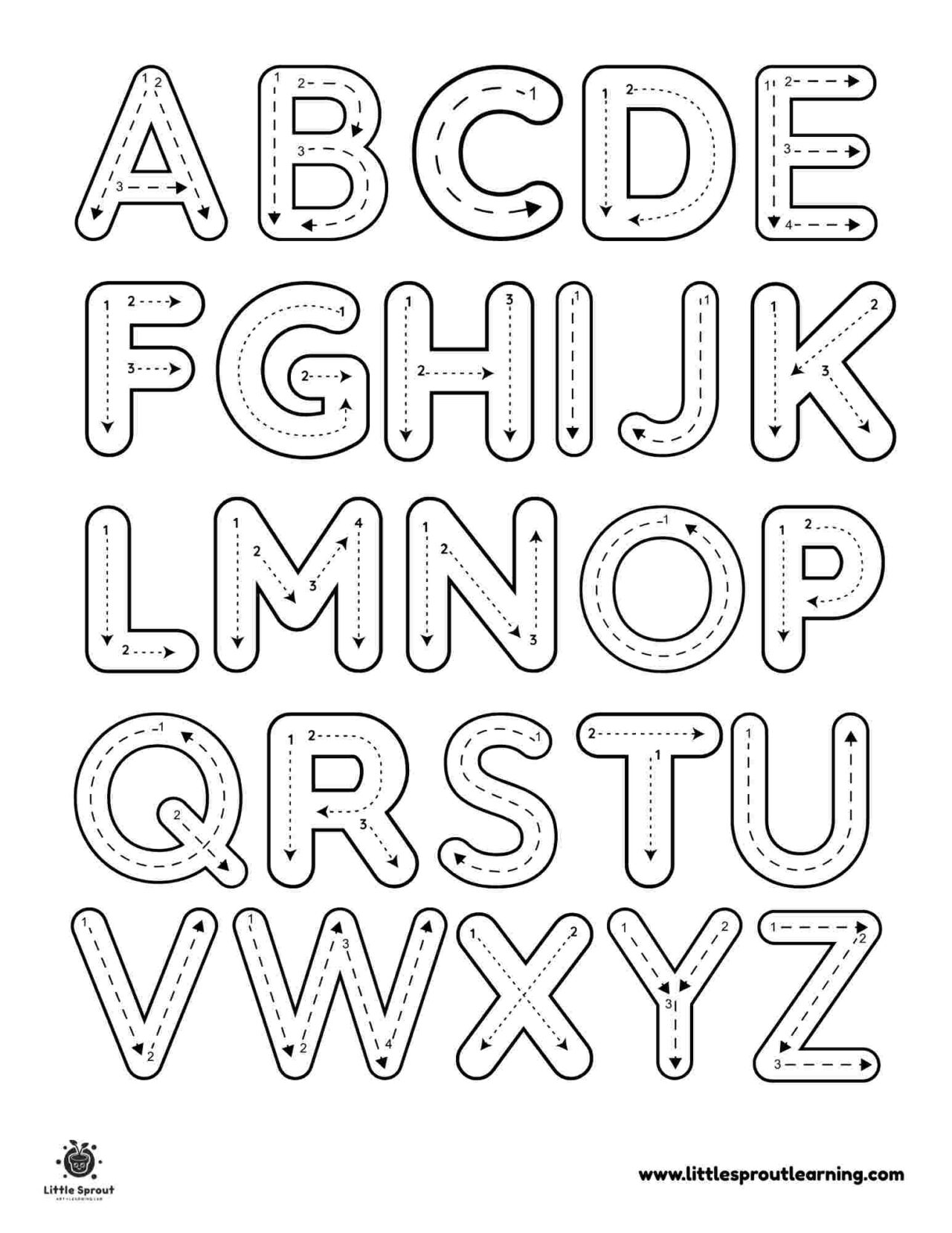
Before handing out the printable alphabet letters, make sure to gather the necessary supplies. You’ll need:
- Paper (standard letter size works best)
- Crayons, markers, or colored pencils
- A printer (inkjet or laser)
When printing, consider using heavier paper or cardstock for durability, especially if the letters will be used multiple times. It’s often helpful to set your printer to “portrait” orientation to ensure the letters fit well on the page.
2. Group Activities
Group activities can enhance the learning experience. One approach is to have students work together to create a large alphabet mural. Assign each child a letter, and let them color it in their unique style. Once completed, these letters can be displayed around the classroom as a vibrant reminder of the alphabet.
3. Individual Practice
For individual practice, provide each child with a set of letters to color at their own pace. You can ask them to focus on one letter each day, discussing its sound and words that begin with it. This routine can help children build a strong foundation in phonics and spelling.
4. Letter Recognition Games
Incorporate the colored letters into games to make learning interactive. For example, you can create a “letter hunt” where children search around the classroom for objects that start with the same letter they just colored. This not only reinforces recognition but also connects letters to real-world examples.
Tips for Engaging Children With Alphabet Coloring
1. Use Themes
To maintain interest, use themes related to seasons, holidays, or animals. For instance, during Halloween, children can color letters while learning words like “bat,” “ghost,” or “pumpkin.” This helps create a context for the letters, making them more relatable.
2. Provide Examples
Show children examples of how to color the letters. For instance, if they are coloring the letter “A,” you can suggest they use red for an apple or green for an alligator. This guidance can spark ideas and encourage them to think creatively.
3. Encourage Sharing
After coloring, create opportunities for children to share their work with classmates. This can be done through a mini art gallery display in the classroom. Sharing their creations helps build confidence and fosters a sense of community.
Additional Activities to Reinforce Learning
1. Letter Crafts
Combine coloring with simple crafts. For example, you can have children cut out their colored letters and glue them onto paper plates to create a decorative alphabet display. This adds a tactile dimension to the learning process.
2. Storytime Integration
Incorporate the letters into storytime. Choose stories that highlight specific letters or sounds. After reading, ask the children to color the corresponding letters. This connection between text and visuals enhances comprehension and retention.
3. Cross-Curricular Connections
Integrate subjects by linking letters to science or social studies. For instance, when learning about animals, children can color the letters and learn the names of animals that start with those letters. This approach creates a rich, interconnected learning experience.
Where to Find Free Printable Alphabet Letters To Color
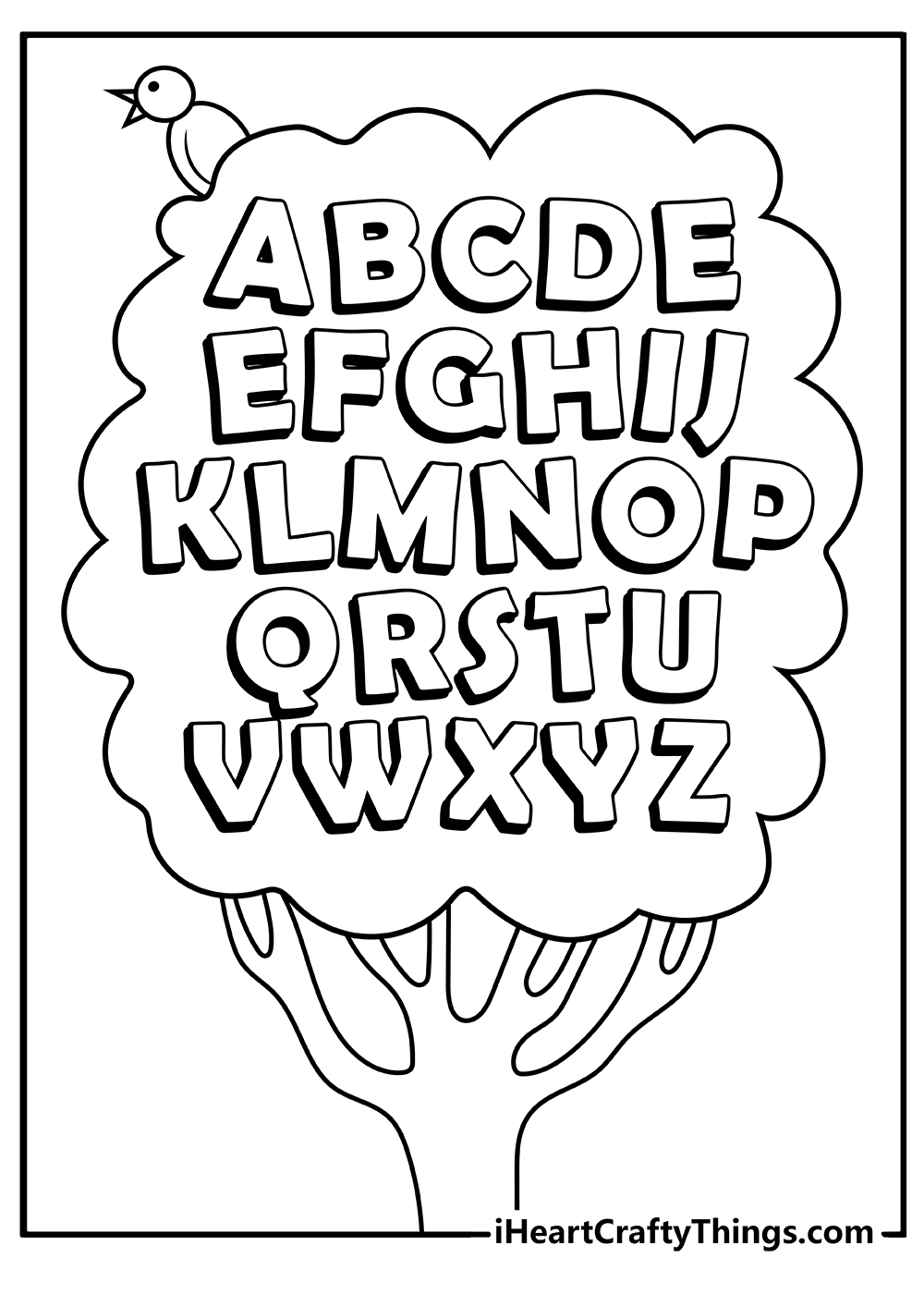
There are many online resources where you can find free printable alphabet letters. Websites dedicated to educational materials often provide a variety of styles and designs. Look for options that allow for easy downloads in PDF format, ensuring the letters are printed clearly and without any formatting issues.
When choosing resources, consider the following:
- Variety: Look for letters in different fonts and styles to keep the activity fresh and engaging.
- Size: Ensure the letters are large enough for young children to color without frustration.
- Accessibility: Choose resources that are easy to access and print from home or a school printer.