
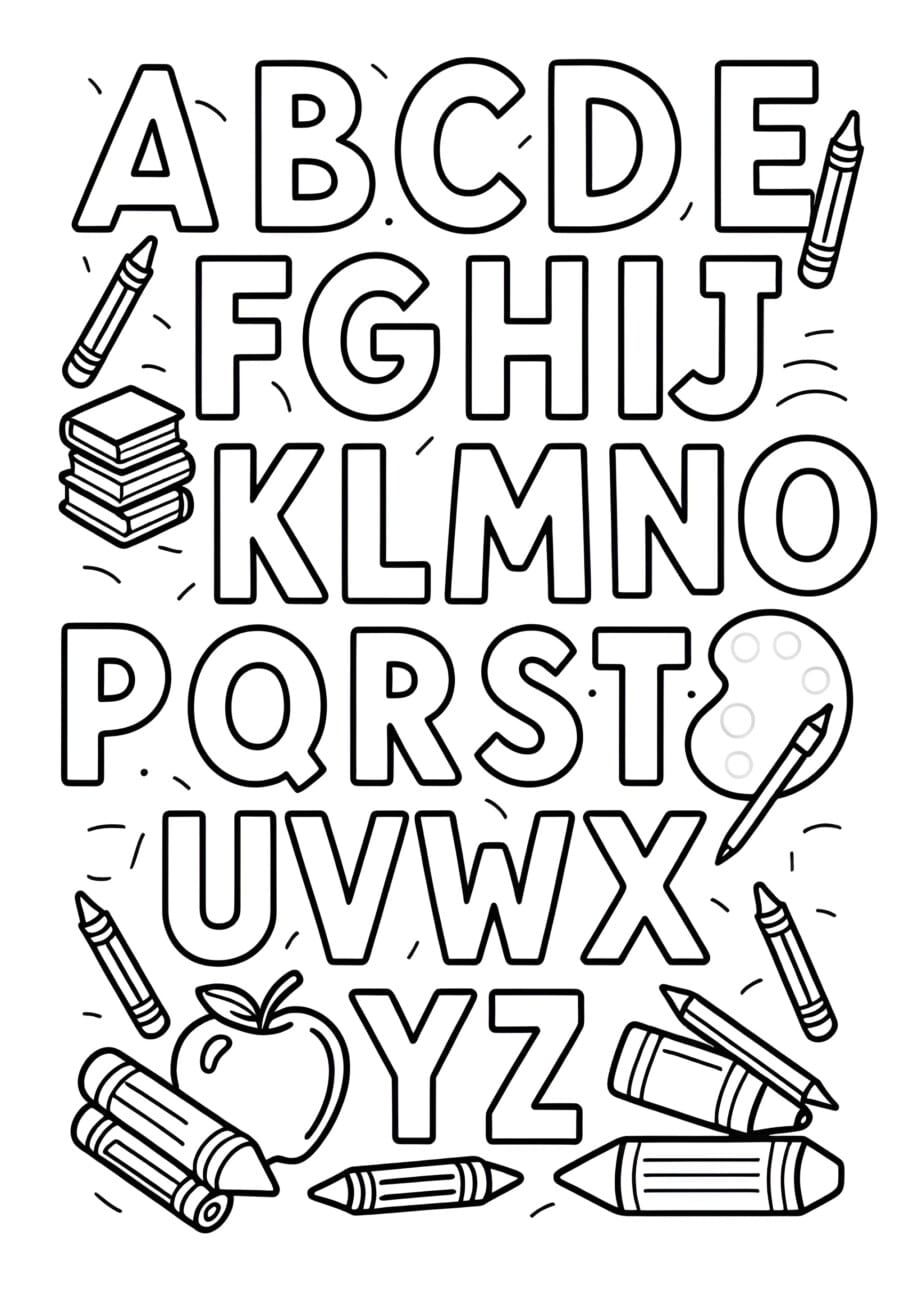
When looking for effective ways to teach preschoolers their letters, free alphabet coloring pages for preschoolers are an excellent resource. These pages not only provide a fun activity but also help reinforce letter recognition and fine motor skills. In this guide, we’ll explore how to use these coloring pages effectively, what to look for when selecting them, and tips for integrating them into your classroom or home learning environment.
Understanding the Importance of Alphabet Coloring Pages
Coloring pages serve a dual purpose. First, they engage young learners creatively, allowing them to express themselves while focusing on an educational objective. Second, they enhance cognitive skills—recognizing letters, associating them with sounds, and developing writing skills. As preschoolers color, they practice hand-eye coordination and learn to control their grip on coloring tools, which is essential for writing later on.
Where to Find Free Alphabet Coloring Pages
There are numerous online resources that offer free alphabet coloring pages tailored for preschoolers. Websites dedicated to educational resources often provide a variety of designs, including:
- Printable worksheets featuring each letter of the alphabet.
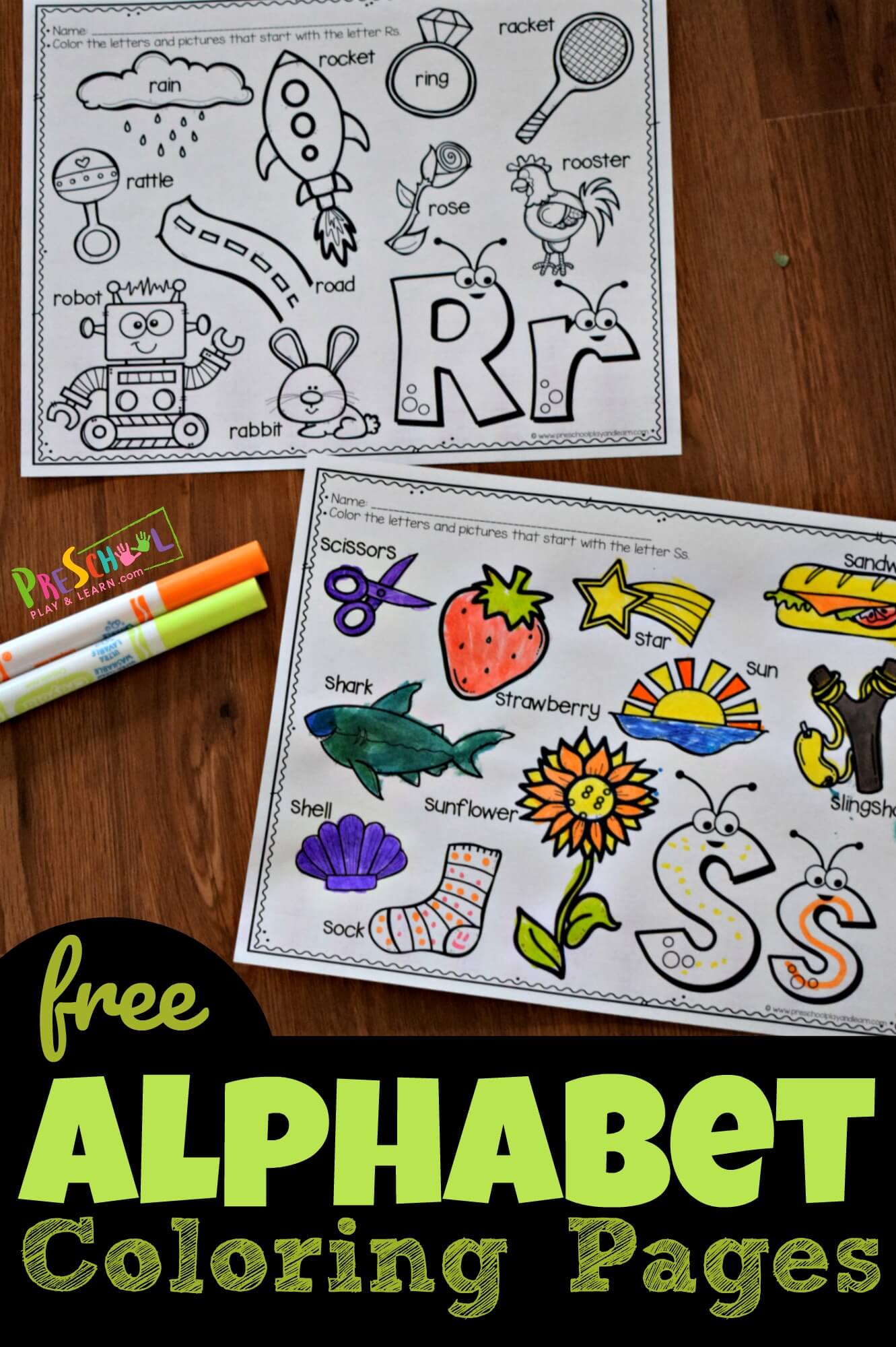
- Themed pages that incorporate animals, objects, or characters that start with the corresponding letter.
- Interactive options that might include tracing letters or simple activities alongside coloring.
When searching, make sure to use terms like “free printable alphabet coloring pages” or “free coloring pages for preschoolers.” This will help you find resources that are not only free but also suitable for educational use.
Tips for Downloading and Printing
Once you’ve found the perfect pages, the next step is downloading and printing them. Here are some practical tips to ensure a smooth process:
- Choose the Right Format: Most coloring pages are available in PDF format, which preserves the layout and quality. PDFs are preferable since they avoid reformatting issues that can occur with image files.
- Select Appropriate Paper Size: Standard letter size (8.5 x 11 inches) works well for most printers. If you have a larger printer, consider using legal size (8.5 x 14 inches) for bigger images.
- Use Quality Paper: For best results, print on cardstock if it’s going to be colored with markers or watercolors. This prevents bleeding and tearing. If crayons or colored pencils will be used, regular printer paper is sufficient.
- Check Printer Settings: Ensure your printer is set to the best quality for color printing. You may want to adjust the settings to “portrait” layout for optimal use of space on the page.
Engaging Preschoolers With Alphabet Coloring Pages
Integrating coloring pages into your lesson plans can be straightforward and effective. Here are some activities and ideas for using these resources in both classroom and home settings:
Letter Recognition Activities
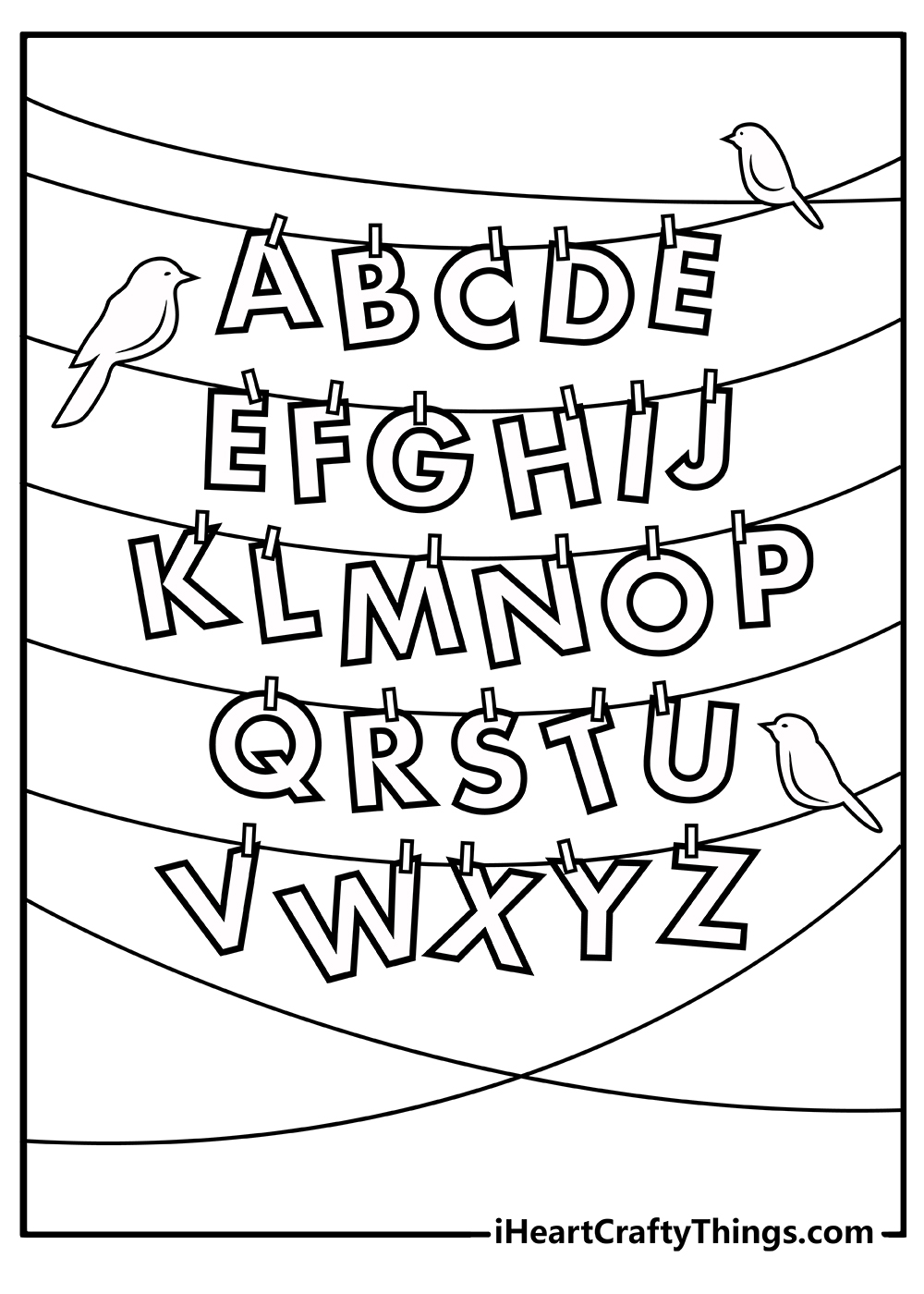
- Color and Identify: As preschoolers color each letter, ask them to say the letter out loud and think of words that start with it. For example, while coloring the letter “A,” they might say, “A is for apple.”
- Matching Games: Print two copies of the same coloring page. As children color, help them identify and match letters with objects or images that start with that letter.
Storytime Integration
Combine coloring activities with storytime. After reading a book that features specific letters, allow children to color the corresponding pages. This reinforces the connection between letters and their sounds through visual and auditory means.
Group Activities
If teaching in a group, consider organizing a coloring competition where children can collaborate on a large alphabet poster. Each child can color a different letter, and once completed, hang the poster in your learning space for everyone to see.
Assessing Progress With Coloring Pages
Using coloring pages can also serve as a tool for assessing a child’s understanding of letter recognition and fine motor skills. Here’s how to evaluate progress:
- Observe Letter Recognition: As children color, ask them to name the letters and sound them out. Take note of which letters they recognize easily and which ones need more practice.
- Fine Motor Skills Development: Look at how well children can stay within the lines and control their coloring tools. This is an indicator of their developing hand-eye coordination and grip strength.
- Engagement Level: Pay attention to how engaged each child is during the activity. A child who is focused and excited about coloring is likely to be absorbing the material better than one who is disinterested.