
Coloring Alphabet Worksheets for Kindergarten are an excellent resource for teachers and parents alike. These worksheets not only engage children but also help them learn the alphabet in a fun and interactive way. With the right materials, you can create an enriching experience that promotes both creativity and literacy.
Understanding the Importance of Alphabet Learning
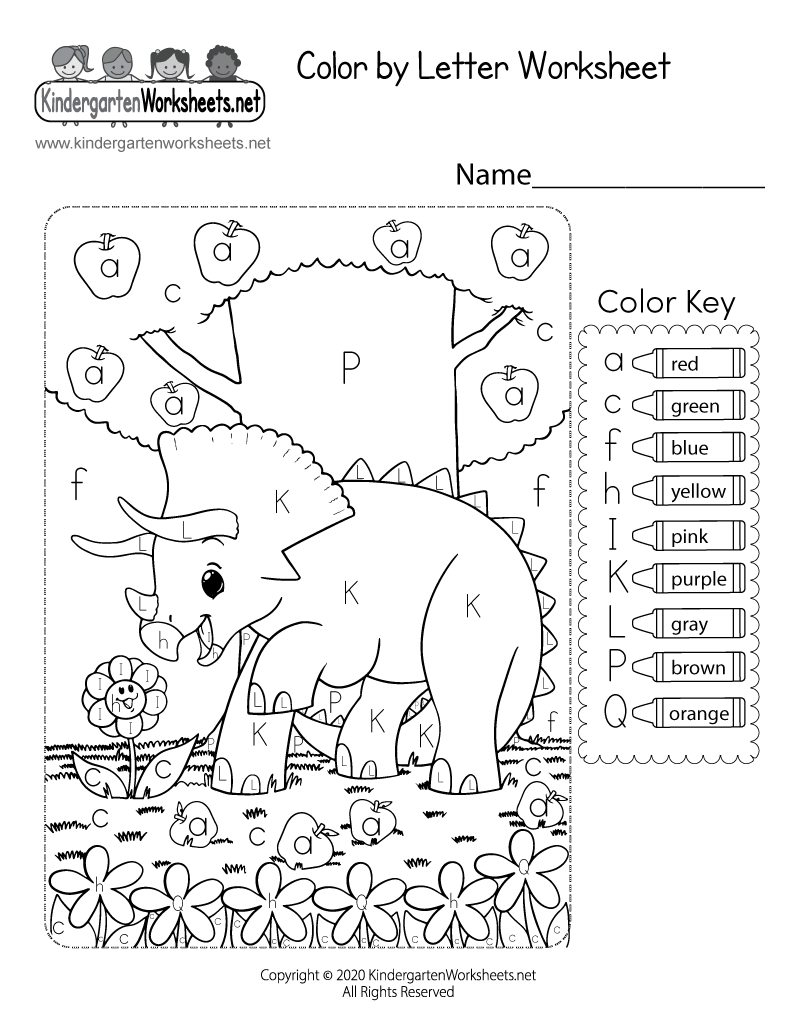
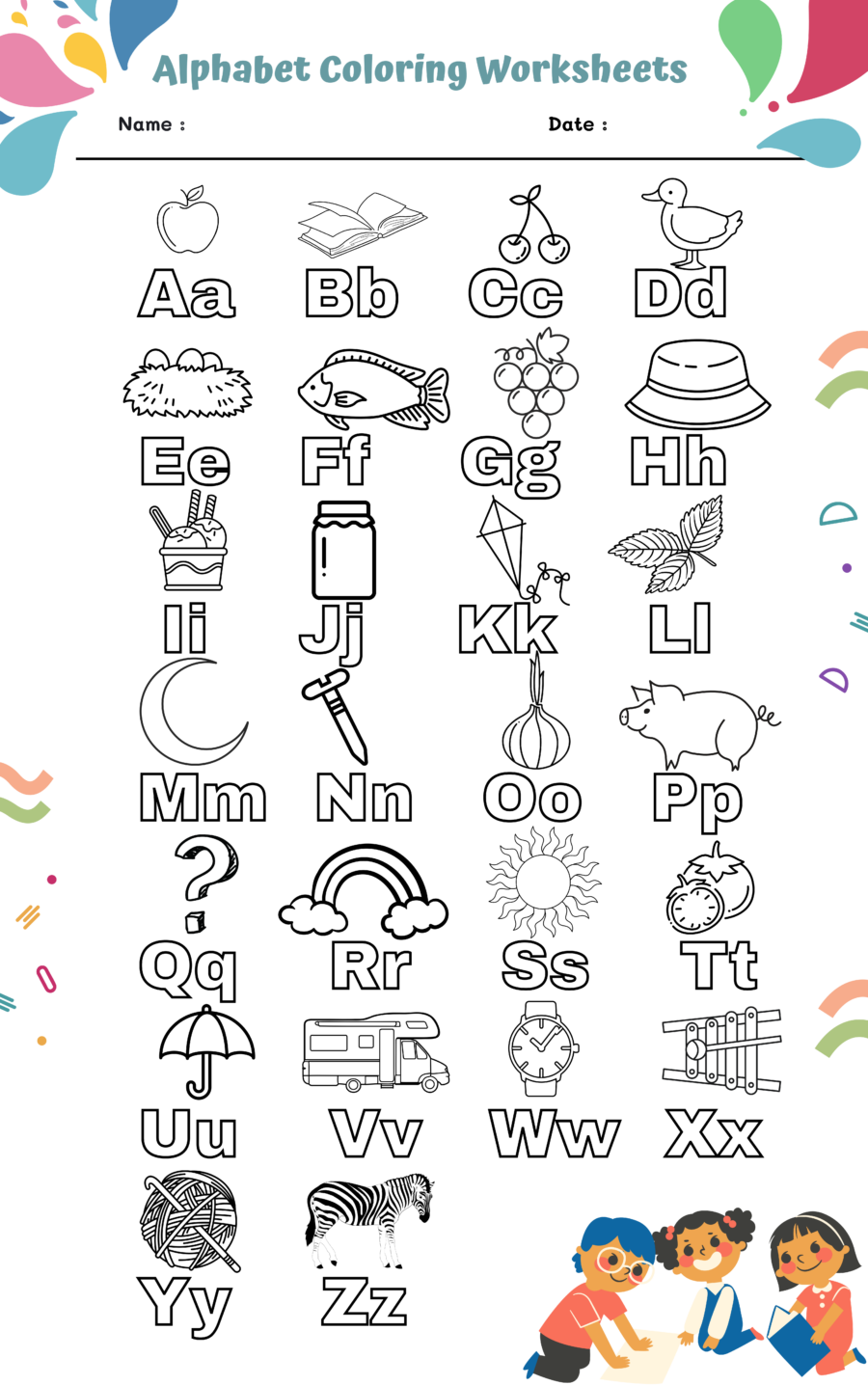
At the kindergarten level, understanding the alphabet is crucial. Young children are at a stage where they are developing foundational skills in reading and writing. Coloring Alphabet Worksheets serve as a bridge to connect these skills. They provide a visual representation of letters and associated words, making it easier for children to remember and recognize them.
When kids color letters, they engage multiple senses. This multi-sensory approach helps reinforce their learning. As they color, they also practice fine motor skills, which are essential for writing. The combination of visual, auditory, and kinesthetic learning is especially beneficial for young learners.
Choosing the Right Coloring Alphabet Worksheets
When selecting Coloring Alphabet Worksheets for Kindergarten, consider the following:
- Age Appropriateness: Ensure the worksheets are designed for kindergarteners. They should feature simple illustrations and clear letters.
- Variety: Look for worksheets that include different activities, such as tracing, coloring, and matching letters to pictures.
- Engagement: Choose worksheets with fun themes or characters that will capture children’s interest.
- Print Quality: Opt for high-resolution images that will look good when printed. This ensures clarity for young learners.
Downloading and Printing Your Worksheets
Once you’ve chosen the right Coloring Alphabet Worksheets, the next step is to download and print them. Here’s how to do it effectively:
- Download the Worksheets: Click the download link provided on the resource website. Ensure you receive a PDF file, as it generally maintains formatting better than image files.
- Choose the Right Printer Settings: Set your printer to “portrait” mode, as this layout is typically more suitable for worksheets. Use a standard paper size (like letter size, 8.5” x 11”) for easy handling.
- Select Paper Type: For durability, consider using cardstock or thicker paper. This helps prevent tearing and allows for better coloring. If the worksheets will be laminated for repeated use, cardstock is ideal.
- Print a Test Page: Before printing in bulk, print a single worksheet to check the quality. Adjust settings if necessary, especially if colors appear faded or too dark.
Organizing Your Coloring Activities
After printing, it’s time to set up your activities. Here’s how to organize them for a classroom or home setting:
- Create a Folder: Use a binder or folder to keep the worksheets organized. Label sections for each letter or theme to make it easy to find the right worksheet.
- Group Activities: Organize worksheets by difficulty. Start with simple coloring pages and gradually introduce more complex tasks such as tracing and letter recognition games.
- Set Up a Coloring Station: Designate a space where children can color comfortably. Provide a variety of coloring materials, including crayons, markers, and colored pencils. This encourages creativity and allows for personal expression.
Incorporating Worksheets Into Daily Lessons
Integrating Coloring Alphabet Worksheets into your daily lessons can enhance learning. Here’s how to do it effectively:
- Start with a Letter of the Day: Introduce a new letter each day and provide the corresponding worksheet. Discuss the letter’s sound and words that start with it.
- Combine with Read-Alouds: Pair worksheets with storytime. After reading a book that features a specific letter, have children color the corresponding worksheet.
- Use for Assessment: As children complete their worksheets, review their work. This can provide insight into their understanding of letter recognition and motor skills.
- Encourage Peer Interaction: Allow children to share their completed worksheets with classmates. This fosters a sense of community and encourages discussions about their coloring choices.
Tips for Effective Use of Coloring Alphabet Worksheets
To maximize the effectiveness of Coloring Alphabet Worksheets for Kindergarten, consider these tips:
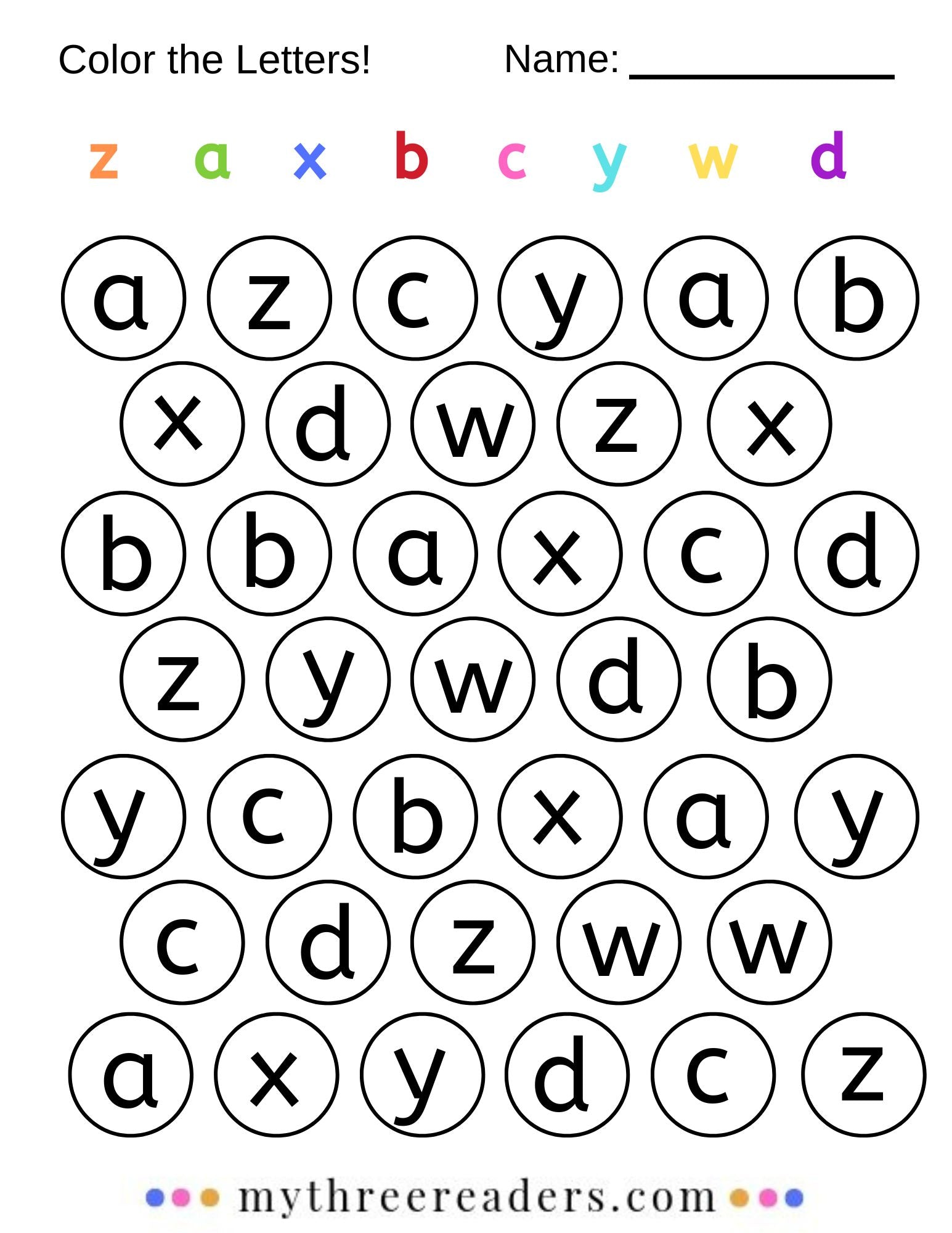
- Encourage Creativity: Allow children to use colors creatively. Instead of sticking to traditional colors, let them choose whatever colors they like. This promotes individuality.
- Incorporate Movement: After completing a worksheet, have children stand up and say the letter and sound while making a corresponding motion. This adds a physical element to their learning.
- Monitor Progress: Keep track of each child’s progress. Note improvements in letter recognition and coloring skills over time. This will help you tailor your approach to meet individual needs.
- Provide Feedback: Offer positive reinforcement when children complete their worksheets. This builds confidence and encourages them to continue learning.
By implementing Coloring Alphabet Worksheets for Kindergarten effectively, you can create a dynamic and engaging learning environment that supports literacy development. These worksheets not only make learning fun but also lay the groundwork for future educational success.
As a practical tip, consider setting up a weekly coloring challenge where children can showcase their favorite colored letters. This encourages a sense of accomplishment and can be a great motivator for continuous learning.