
Using colored alphabet letters to print can transform learning in your classroom or home. These vibrant letters not only make activities visually appealing but also help children engage with the material, making the learning process more enjoyable. Available in various designs and formats, these printable letters are excellent tools for early literacy development, especially for preschool and kindergarten students.
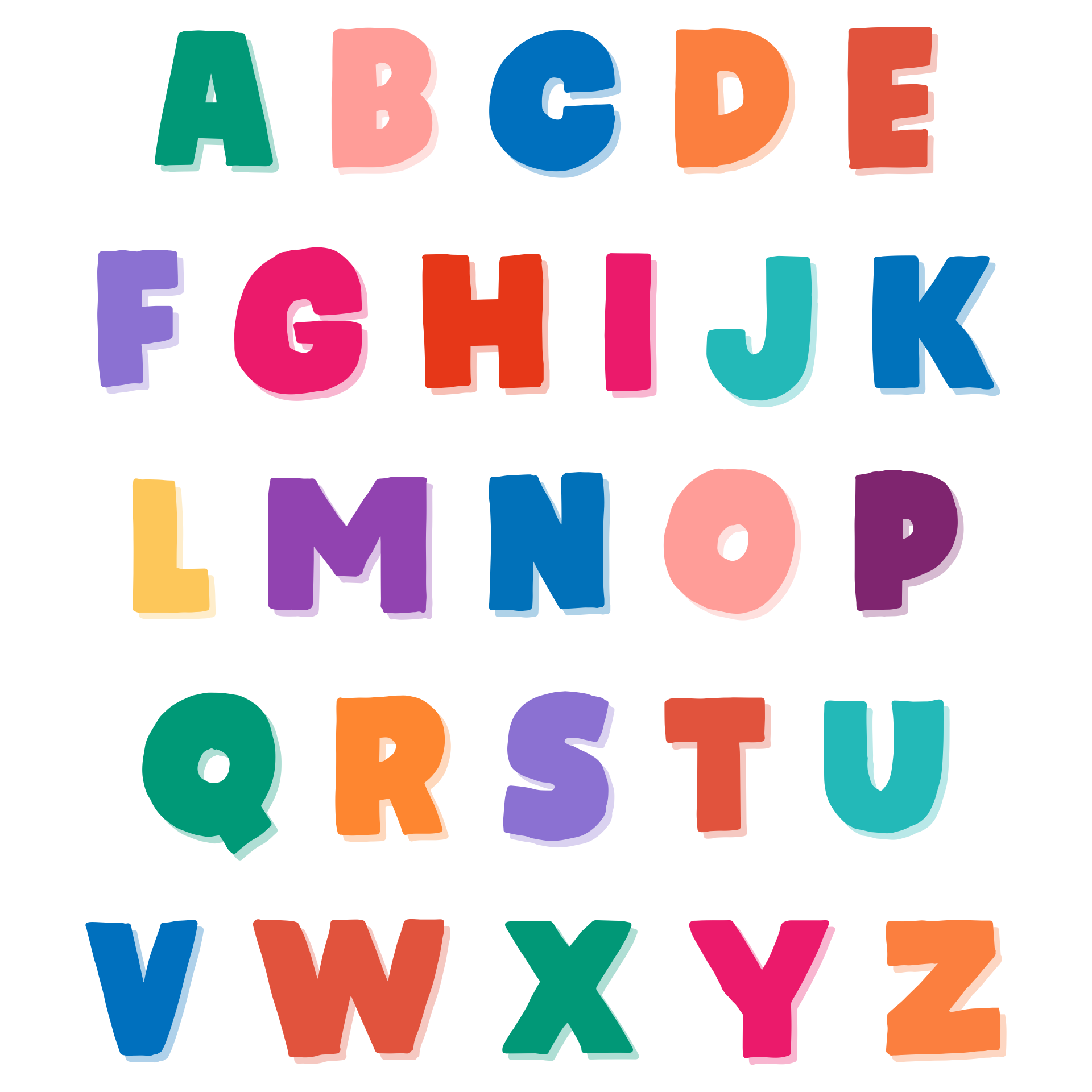
Overview of Colored Alphabet Letters
Colored alphabet letters to print typically feature each letter of the alphabet in bright colors, often accompanied by fun designs or themes. These letters can vary in size, with some being large enough for display on classroom walls and others more suited for worksheets and activities. Generally, they come in standard A4 or letter-sized formats, making them easy to print at home or in school.
The primary use of these letters is to aid in letter recognition, phonics, and spelling. Teachers and parents can incorporate them into various activities, from hands-on learning to decorative classroom displays. The versatility of these letters makes them a valuable resource for reinforcing foundational literacy skills.
Practical Applications in the Classroom
Letter Recognition Activities
One of the most effective ways to use colored alphabet letters is for letter recognition. You can create engaging activities where children match uppercase and lowercase letters, identify letters in their names, or even create simple word games. For example, you might print a set of colored letters and ask students to find specific letters in a mixed-up pile. This hands-on approach can enhance their ability to recognize and differentiate between letters.
Spelling and Phonics Games
Incorporating colored alphabet letters into spelling and phonics games can make learning fun and interactive. You could organize a spelling bee where students use the printed letters to form words on a board. Alternatively, you might create phonics flashcards by printing letters alongside pictures of items that start with those letters. This not only reinforces their understanding of letter sounds but also helps with vocabulary building.
Classroom Decor
Colored alphabet letters can also serve as a decorative element in your classroom. Consider creating a colorful alphabet banner to hang on a bulletin board or along the walls. This visual aid can help reinforce letter recognition for students while brightening up the learning environment. Using different colors for each letter can also make it easier for children to remember their shapes and sounds.
Integrating Colored Letters Into Worksheets
Creating worksheets that incorporate colored alphabet letters can greatly benefit young learners. Here are a few ideas on how to integrate these letters into various worksheets:
Tracing Worksheets
You can design worksheets where children trace the colored letters. This helps them practice their handwriting while reinforcing letter recognition. Provide a mix of uppercase and lowercase letters, allowing students to practice both forms. A simple layout with dotted lines for tracing can guide their hand movements effectively.
Matching Activities
Another effective worksheet idea is to create matching activities where children connect letters to pictures. For instance, students can match the letter “A” with an apple image. This not only aids in letter recognition but also connects letters to words and objects, enhancing their understanding of phonics.
Coloring Pages
Coloring pages featuring the alphabet can be a fun and creative way to engage students. You might print large letters filled with patterns or images related to the letter’s sound, allowing children to color them in. This activity nurtures fine motor skills while reinforcing their recognition of letters.
Downloading and Printing Tips
When it comes to downloading and printing colored alphabet letters, consider the following tips to ensure the best results:
- File Format: Look for PDF files as they typically maintain formatting better than images. This way, you avoid any resizing issues that can occur with JPEGs or PNGs.
- Paper Choice: Using cardstock is advisable if you plan to laminate the letters for durability. It holds up better than regular printer paper, especially during repeated use in classrooms.
- Printer Settings: Ensure your printer settings are adjusted for high-quality prints. Using the “best” or “high quality” setting will make the colors pop and improve overall clarity.
- Color Calibration: If colors appear faded or inaccurate, consider calibrating your printer’s color settings. This ensures that the vibrant colors of the letters come through as intended.
Using Colored Letters at Home
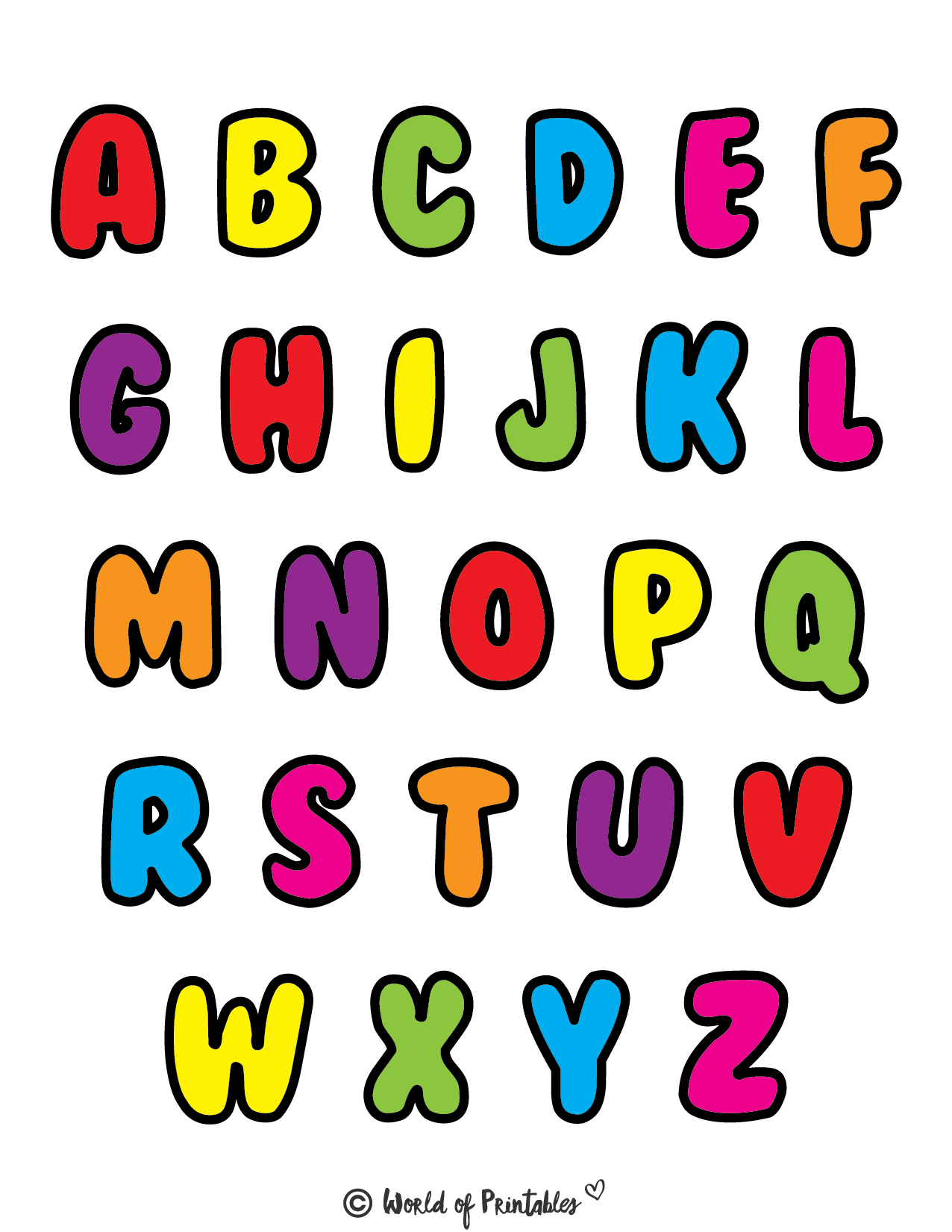
Parents can also effectively use colored alphabet letters to print at home. They provide a great way to reinforce learning outside of school. Here are a few suggestions:
Home Learning Activities
Set up a dedicated learning area at home where children can engage with the printed letters. Use them for daily practice sessions, where you can focus on one or two letters at a time. This repetition helps solidify their understanding and retention of each letter.
Creative Projects
Encourage children to create their projects using the colored letters. They can craft a poster that spells out their name or a favorite word, enhancing their spelling skills while using their creativity. This not only makes learning engaging but also provides a sense of ownership in their education.
Themed Learning Days
Consider dedicating specific days to different themes, such as “A Day” where everything revolves around the letter “A.” Use the colored letters for activities and crafts related to that theme, making learning dynamic and fun.
The versatility of colored alphabet letters to print makes them an invaluable resource for both teachers and parents. By using them creatively, you can create a rich learning environment that fosters engagement and enthusiasm for literacy. Whether in the classroom or at home, these letters can be a delightful addition to your educational toolkit, helping children build essential reading and writing skills.