
Learning the alphabet is a foundational skill for young children, and using resources like an alphabet to print and color can make the process both fun and educational. These printable templates not only provide children with the opportunity to practice letter recognition but also allow them to express their creativity through coloring. This guide will explore the various ways you can effectively integrate these resources into your home or homeschool routine, making learning enjoyable and interactive.
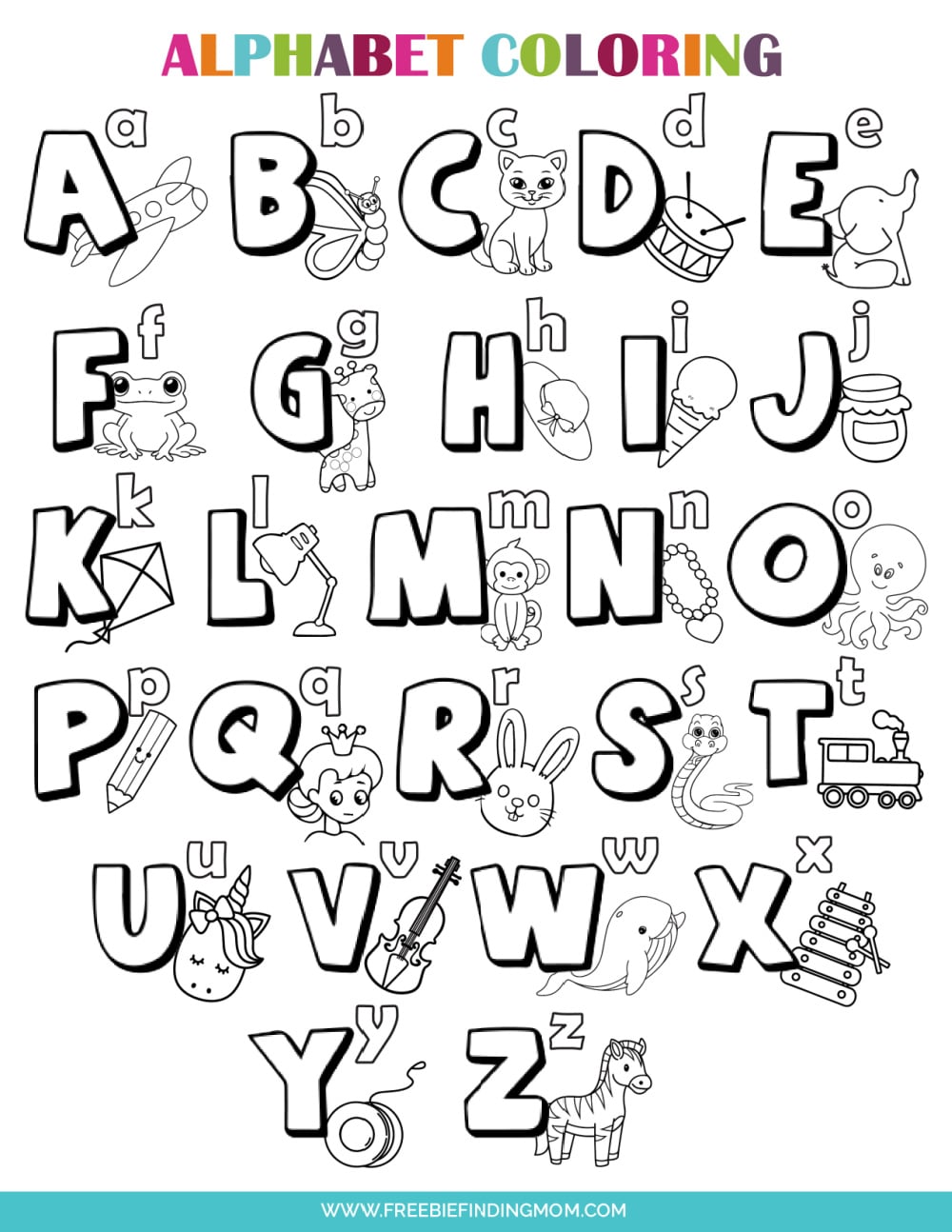
Understanding the Resource: Alphabet To Print And Color
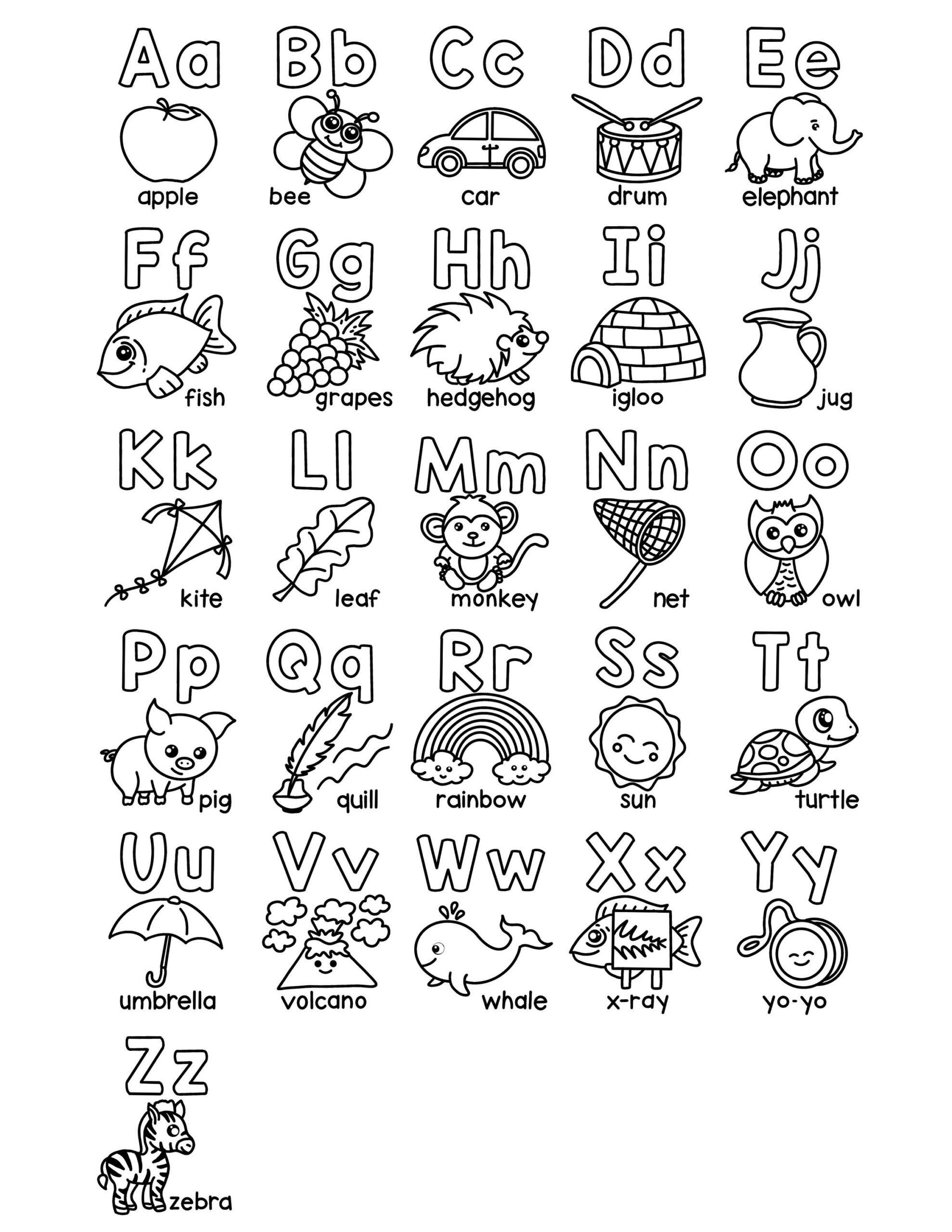
When you think about an alphabet to print and color, imagine a collection of worksheets featuring each letter of the alphabet. Each letter template typically includes a large, outlined version of the letter, ready for children to fill in with colors, patterns, or designs of their choice. This format encourages fine motor skills and artistic expression while reinforcing letter shapes and sounds.
These resources can be easily downloaded and printed, making them accessible for immediate use. You might find templates available in various formats, such as PDFs or image files, which can be printed on standard letter-sized paper (8.5 x 11 inches). Printing these on cardstock can enhance durability, especially if you plan on using them multiple times or laminating them for reuse.
How to Use Alphabet Templates in Your Routine
Integrating an alphabet to print and color into your daily routine can be quite simple. Here are a few practical suggestions:
- Daily Alphabet Activity: Set aside a specific time each day for your child to work on a letter. For example, on “A” day, provide the template for the letter A, and encourage your child to color it while discussing words that start with that letter, such as apple, ant, or airplane.
- Themed Learning: Tie the alphabet activity to a theme or season. For instance, during spring, focus on letters associated with flowers or animals. This can make the learning experience more relatable and engaging.
- Art Projects: Combine the alphabet coloring pages with art projects. After coloring a letter, your child can create a collage of items that start with that letter, enhancing both their understanding of the alphabet and their creativity.
- Reinforcement Through Repetition: Revisit letters throughout the week. If your child colors the letter B on Monday, you can encourage them to practice writing the letter and saying its sound on Tuesday.
- Incorporate Technology: Use digital tools to enhance the experience. For example, let your child color the letters using a drawing app on a tablet, if available, for a different tactile experience.
Choosing the Right Templates
When selecting alphabet templates to print and color, consider the following:
- Age Appropriateness: Ensure that the templates are suitable for your child’s age and skill level. Younger children may need simpler designs with bold lines, while older kids may enjoy more intricate patterns.
- Variety: Look for a variety of templates that include both uppercase and lowercase letters. This not only aids in letter recognition but also introduces the concept of writing in different forms.
- Engagement Factor: Choose templates that incorporate fun images or themes. For instance, a template for the letter “C” could include a cartoon cat or a cake, making the activity more exciting.
- Print Quality: Opt for templates that are high-resolution to ensure that printed versions are clear and easy to color. Check reviews or previews if available before downloading.
Tips for Printing and Using the Templates
Printing and using alphabet templates efficiently can enhance your experience. Here are some practical tips:
- Print Settings: Always check your printer settings before printing. For best results, select the “fit to page” option to ensure the letter templates are appropriately sized. Portrait layout usually works best for most home printers.
- Paper Choice: For durability, consider printing on heavier paper or cardstock. If you plan to laminate the pages for repeated use, this is especially important as it will hold up better over time.
- Coloring Supplies: Provide a variety of coloring supplies, such as crayons, markers, and colored pencils. This variety can inspire creativity and keep your child engaged.
- Storage Solutions: Keep printed templates organized in a binder or folder. This not only helps keep your workspace tidy but also allows your child to revisit previous letters easily.
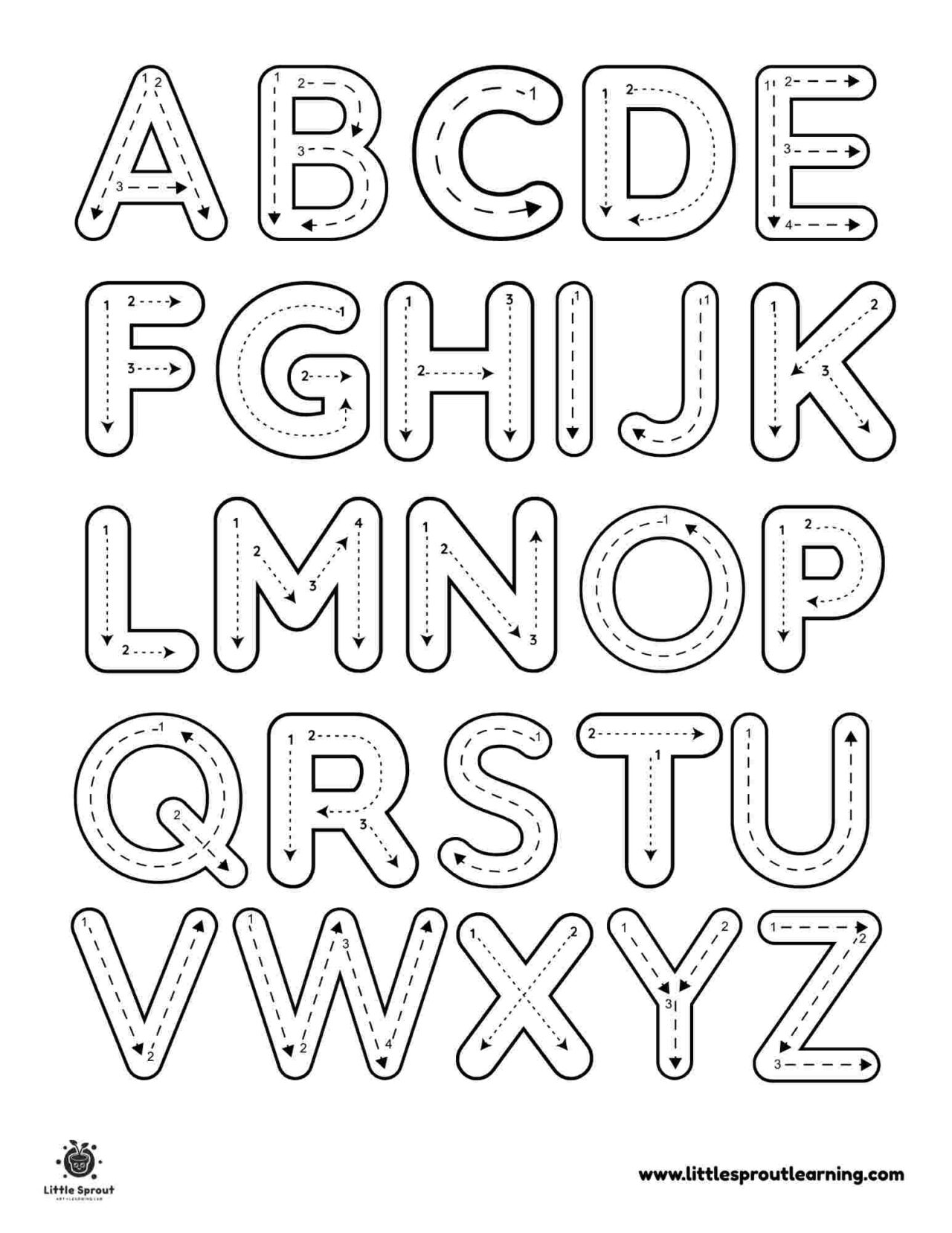
Expanding the Learning Experience
Using an alphabet to print and color can be the starting point for a broader learning experience. Here are some ideas to expand on this activity:
- Storytime Integration: Pair the coloring activity with a story that features the letter of the day. Reading aloud can enhance your child’s vocabulary and comprehension.
- Create a Portfolio: Encourage your child to create a portfolio of their completed letter pages. This can be a motivational tool as they see their progress over time.
- Incorporate Music: Use songs or rhymes that focus on the alphabet. This can aid in retention and make learning more enjoyable.
- Play Games: Incorporate games that involve letter recognition, such as scavenger hunts where your child finds objects around the house starting with the letter they just colored.
- Engagement with Others: If possible, arrange playdates where children can do the coloring activity together. This encourages social interaction and collaborative learning.