
Using printable Alphabet Practice Sheets For Preschoolers can significantly boost early literacy skills in young learners. These worksheets provide engaging activities that help children recognize letters, develop fine motor skills, and understand the sounds associated with each letter. By integrating these sheets into your teaching routine, whether in a classroom or at home, you can create a fun and interactive learning environment.
Understanding Alphabet Practice Sheets
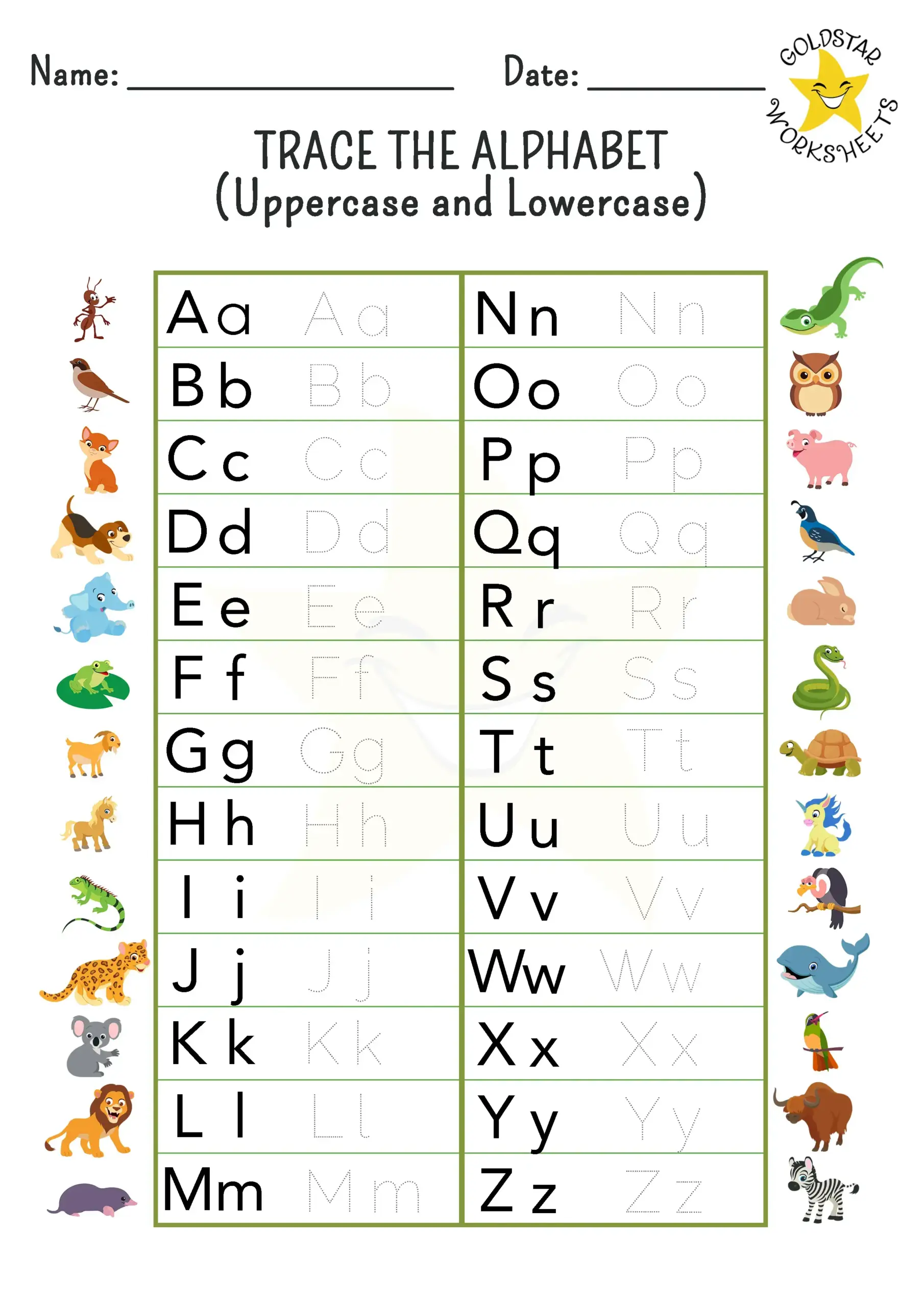
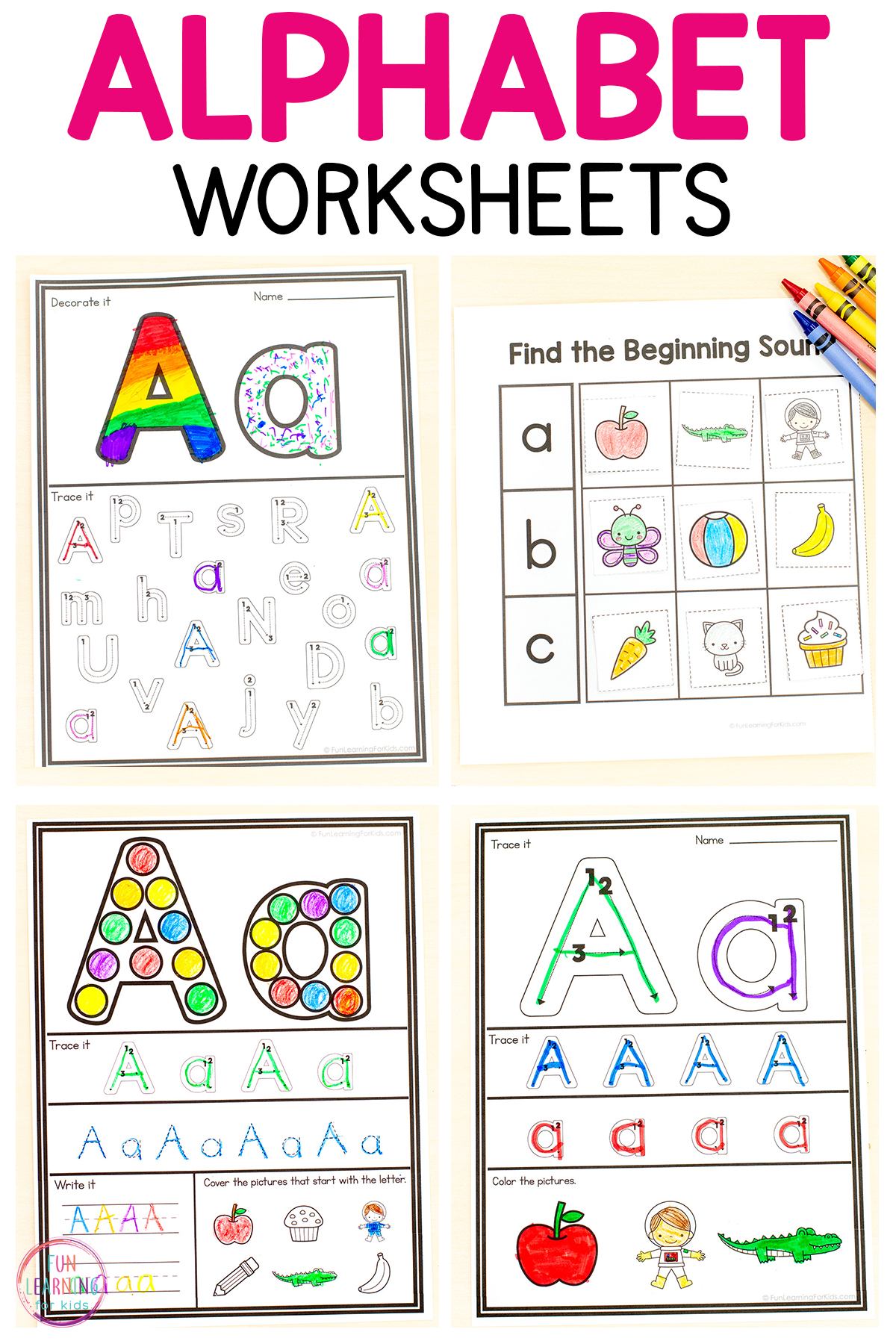
Alphabet practice sheets are typically designed for preschoolers aged 3 to 5 years. They often include a variety of activities that focus on letter recognition, tracing, and writing. Each sheet usually features one letter, accompanied by images or words that start with that letter, making it easier for children to associate sounds with their corresponding letters.
Importance of Letter Recognition
Letter recognition is a foundational skill for reading. When preschoolers can identify letters and their sounds, they are better prepared for phonics instruction and reading comprehension. Using practice sheets helps reinforce these skills through repetition and varied activities, catering to different learning styles.
Choosing the Right Resources
When selecting Alphabet Practice Sheets For Preschoolers, consider the following factors:
- Age Appropriateness: Ensure the worksheets are designed for preschoolers. Look for sheets that feature large letters and simple images.
- Variety of Activities: Choose sheets that include a mix of tracing, coloring, and matching activities to keep children engaged.
- Printable Format: Ensure the sheets are available in PDF format for easy printing. This format typically avoids reformatting issues that can occur with image files.
Downloading and Printing the Sheets
Once you have selected the Alphabet Practice Sheets For Preschoolers you want to use, follow these steps to download and print them:
- Visit the Resource Website: Navigate to the website offering the printable sheets.
- Select Your Sheets: Browse through the available options and select the sheets that best meet your needs.
- Download the Files: Click on the download link for the PDF files. Ensure your device has a PDF reader installed.
- Print the Sheets: Use standard letter-size paper (8.5 x 11 inches) for printing. If you plan to laminate the sheets for durability, consider using cardstock, which holds up better.
Setting Up the Learning Environment
Creating an effective learning environment is key to maximizing the benefits of Alphabet Practice Sheets For Preschoolers. Here are some tips to consider:
- Dedicated Workspace: Set up a quiet and well-lit area where children can focus on their worksheets without distractions.
- Materials: Provide crayons, markers, or colored pencils for creative engagement. If you laminated the sheets, dry-erase markers can be used for repeated practice.
- Routine: Incorporate the sheets into your daily routine. A consistent schedule helps children anticipate learning time and builds structure.
Engaging Children With the Worksheets
To ensure preschoolers remain engaged while using Alphabet Practice Sheets, consider incorporating these strategies:
- Interactive Learning: Encourage children to say the letter and its sound out loud as they trace or color. This reinforces auditory learning alongside visual cues.
- Games and Challenges: Turn tracing into a game. For example, have them race against a timer or compete with a sibling to see who can complete the sheet faster.
- Positive Reinforcement: Celebrate their accomplishments. Stickers or verbal praise can motivate children to complete their practice sheets and foster a love for learning.
Using Practice Sheets for Assessment
Alphabet Practice Sheets can also serve as a valuable assessment tool. By observing how well children complete the sheets, you can gauge their understanding of letter recognition and writing skills. Here are a few ways to assess progress:
- Completion Time: Track how long it takes for a child to finish a sheet. Improvement over time indicates growing familiarity with the letters.
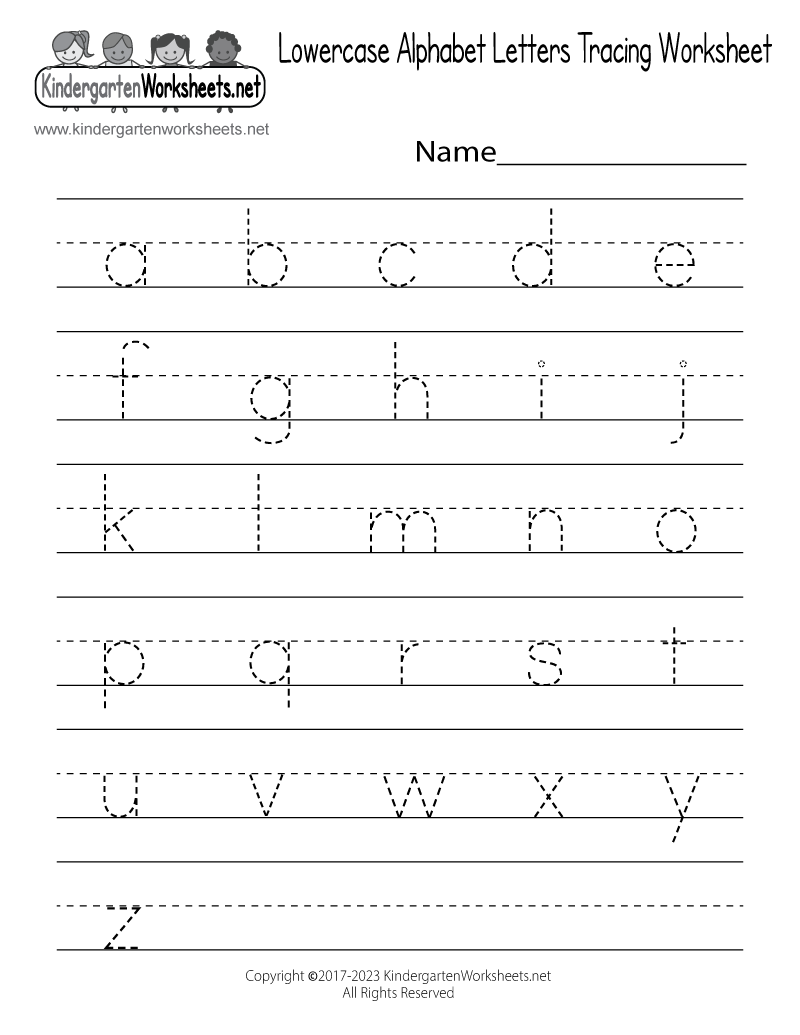
- Accuracy: Check for correct letter formation and sound association. This helps identify areas where a child may need additional support.
- Engagement: Note their enthusiasm and willingness to work on the sheets. High engagement often correlates with better learning outcomes.
Additional Activities to Supplement Learning
To enhance the learning experience, consider integrating additional activities alongside the Alphabet Practice Sheets:
- Story Time: Read books that focus on the alphabet. This reinforces letter recognition in a fun, narrative context.
- Alphabet Crafts: Engage children in arts and crafts that involve creating letters using materials like clay, playdough, or cut-out shapes.
- Songs and Rhymes: Incorporate songs that emphasize the alphabet. Music can make learning more memorable and enjoyable.