
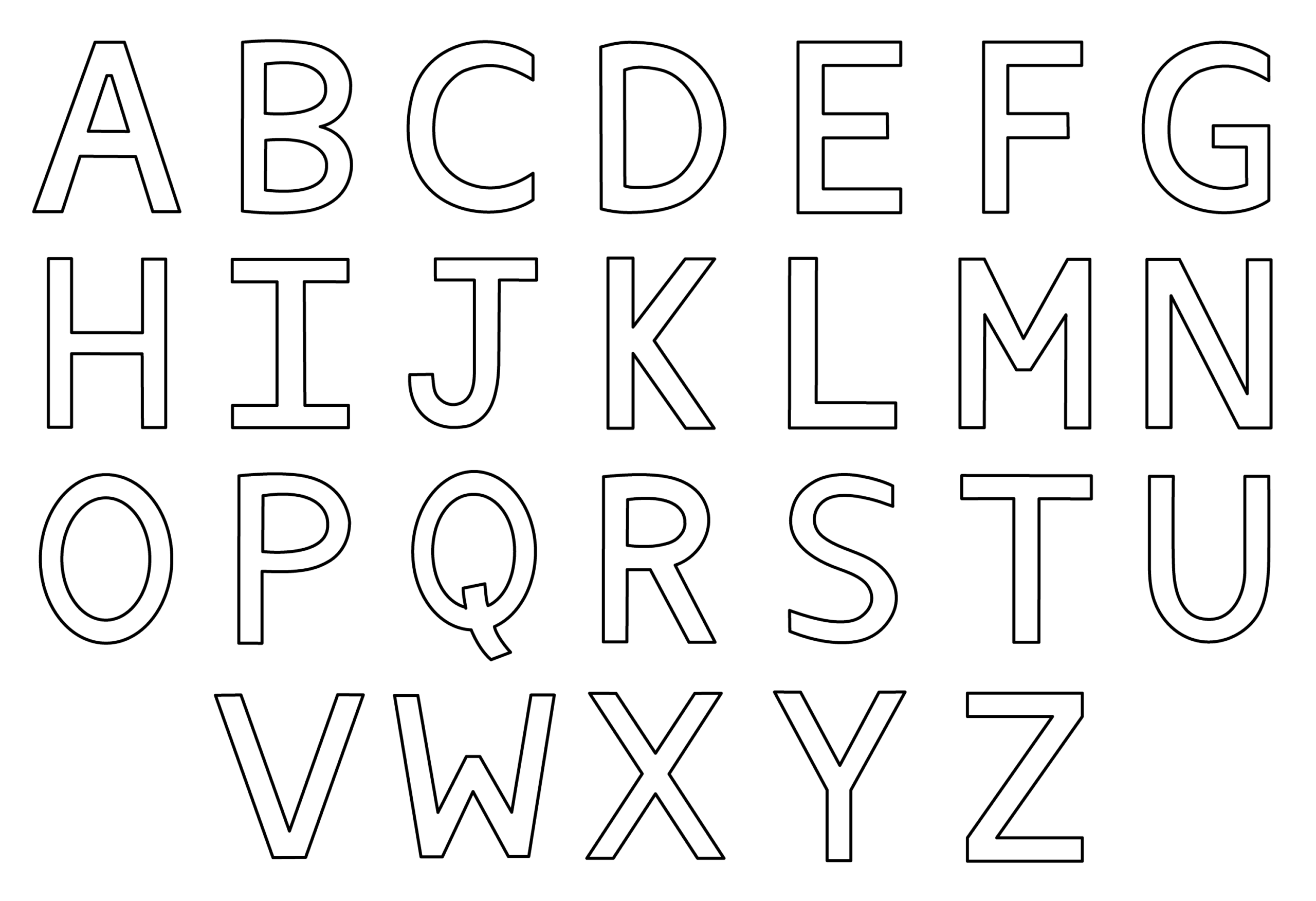
In a bustling classroom, Mrs. Thompson watches as her students eagerly gather around the art table, crayons in hand. Today, they’re diving into the world of letters with Alphabet Letters Printable Coloring Pages. These resources not only spark creativity but also serve as a delightful way to reinforce literacy skills. Using coloring pages can help children connect letter shapes with sounds, making this a practical and enjoyable learning tool for teachers and parents alike.
Understanding the Importance of Alphabet Recognition
Alphabet recognition is a foundational skill for early readers. Children need to identify letters and their corresponding sounds to develop strong reading and writing abilities. Printable coloring pages can play a crucial role in this process.
By integrating coloring with letter recognition, you can help children learn in a way that feels less like a chore and more like a fun activity. When kids color in letters, they engage both their fine motor skills and their cognitive functions. This dual engagement can result in better retention of letter shapes and sounds.
How to Use Alphabet Letters Printable Coloring Pages in the Classroom
Using Alphabet Letters Printable Coloring Pages in your classroom can be simple and effective. Here are some practical ways to incorporate these resources:
- Independent Workstations: Set up a coloring station where students can work independently. Provide a variety of alphabet coloring pages, along with crayons or colored pencils. This allows children to express their creativity while reinforcing letter recognition.
- Letter of the Day: Focus on a specific letter each day. Print the corresponding coloring page and encourage students to color it while discussing words that start with that letter. This not only reinforces recognition but also expands their vocabulary.
- Group Activities: Organize group activities where students can collaborate on a large alphabet mural. Each child can color a letter, and together, they can create a colorful display that enhances the classroom environment.
Choosing the Right Printable Coloring Pages
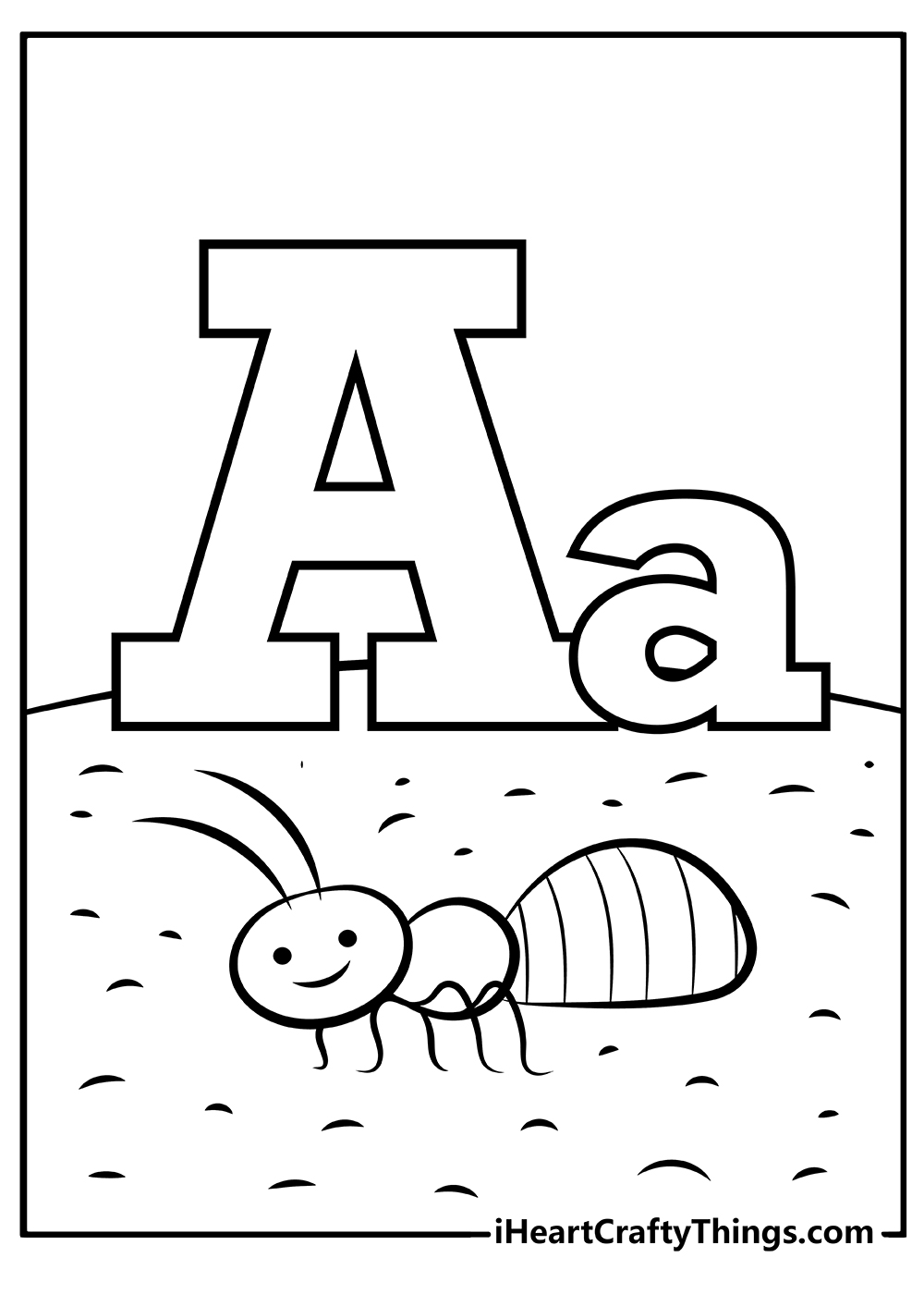
When selecting Alphabet Letters Printable Coloring Pages, consider the following:
- Age Appropriateness: Ensure the designs are suitable for the age group you’re working with. Younger children might benefit from simpler designs, while older students may enjoy more intricate patterns.
- Variety: Look for a range of styles. Some pages may feature uppercase letters, while others include lowercase. Having both options can help children understand the differences between letter forms.
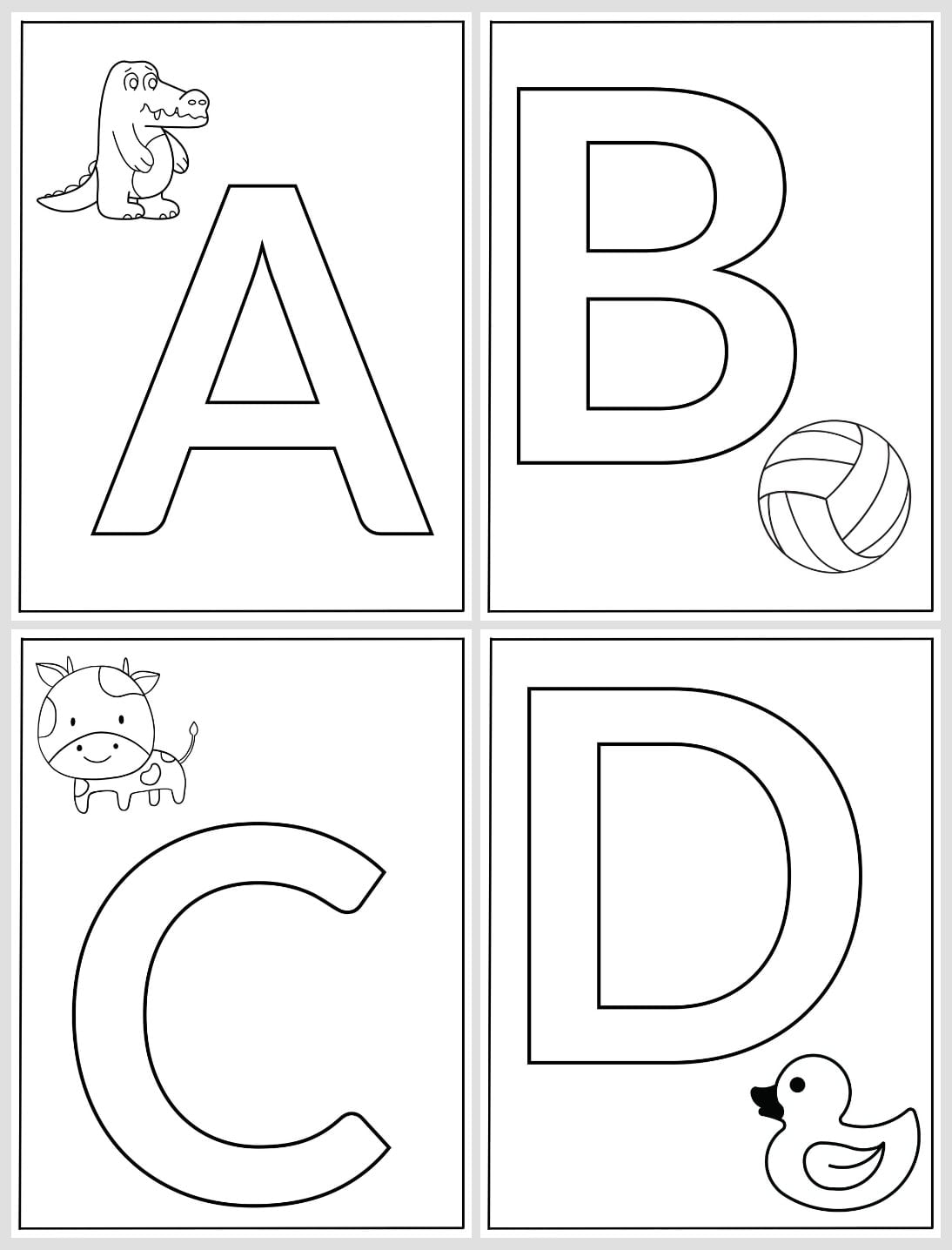
- Engagement: Choose pages that incorporate fun themes or characters. This can make the activity more engaging and enjoyable for children.
Tips for Printing and Preparing Coloring Pages
To ensure a smooth experience with your Alphabet Letters Printable Coloring Pages, keep these tips in mind:
- Paper Choice: Use heavier paper, such as cardstock, for coloring pages that will be used frequently. This prevents tearing and allows for more vigorous coloring without bleed-through.
- Orientation Matters: Depending on your printer, portrait or landscape orientation might work better for specific coloring pages. Experiment to see which layout suits your resources best.
- Print Settings: Always check your printer settings. Use the ‘high quality’ option for clearer images, especially if the coloring pages have intricate designs.
Enhancing Learning With Additional Activities
To maximize the educational impact of Alphabet Letters Printable Coloring Pages, consider pairing them with other activities:
- Storytime Connections: After coloring, read a story that features the letter of the day. This reinforces the connection between the letter and its use in language.
- Phonics Games: Create games that involve identifying objects that start with the letter being focused on. For example, if the letter is “B,” ask students to find items in the classroom that begin with that sound.
- Creating a Letter Book: Have students compile their colored pages into a personal alphabet book. This not only gives them a sense of ownership but also provides a tangible resource they can refer to later.
Supporting Diverse Learning Styles
Every child learns differently, and Alphabet Letters Printable Coloring Pages can cater to various learning styles:
- Visual Learners: These students will benefit from the colorful images and the act of coloring, which helps them remember the shapes of letters.
- Kinesthetic Learners: Engaging in hands-on coloring activities allows these learners to grasp concepts through movement and tactile experiences.
- Auditory Learners: Pair coloring activities with songs or rhymes that emphasize the alphabet. This auditory reinforcement can help solidify their understanding.