
Creating Alphabet Books for Kindergarten Printable resources can be a wonderful way to engage young learners and help them master the basics of literacy. These printables are not just simple worksheets; they serve as interactive tools that allow children to explore letters, sounds, and words in a fun, hands-on manner. In this guide, we’ll explore how you can effectively use these printables in your classroom or home, check for mastery, and keep the learning process enjoyable.
Understanding the Purpose of Alphabet Books
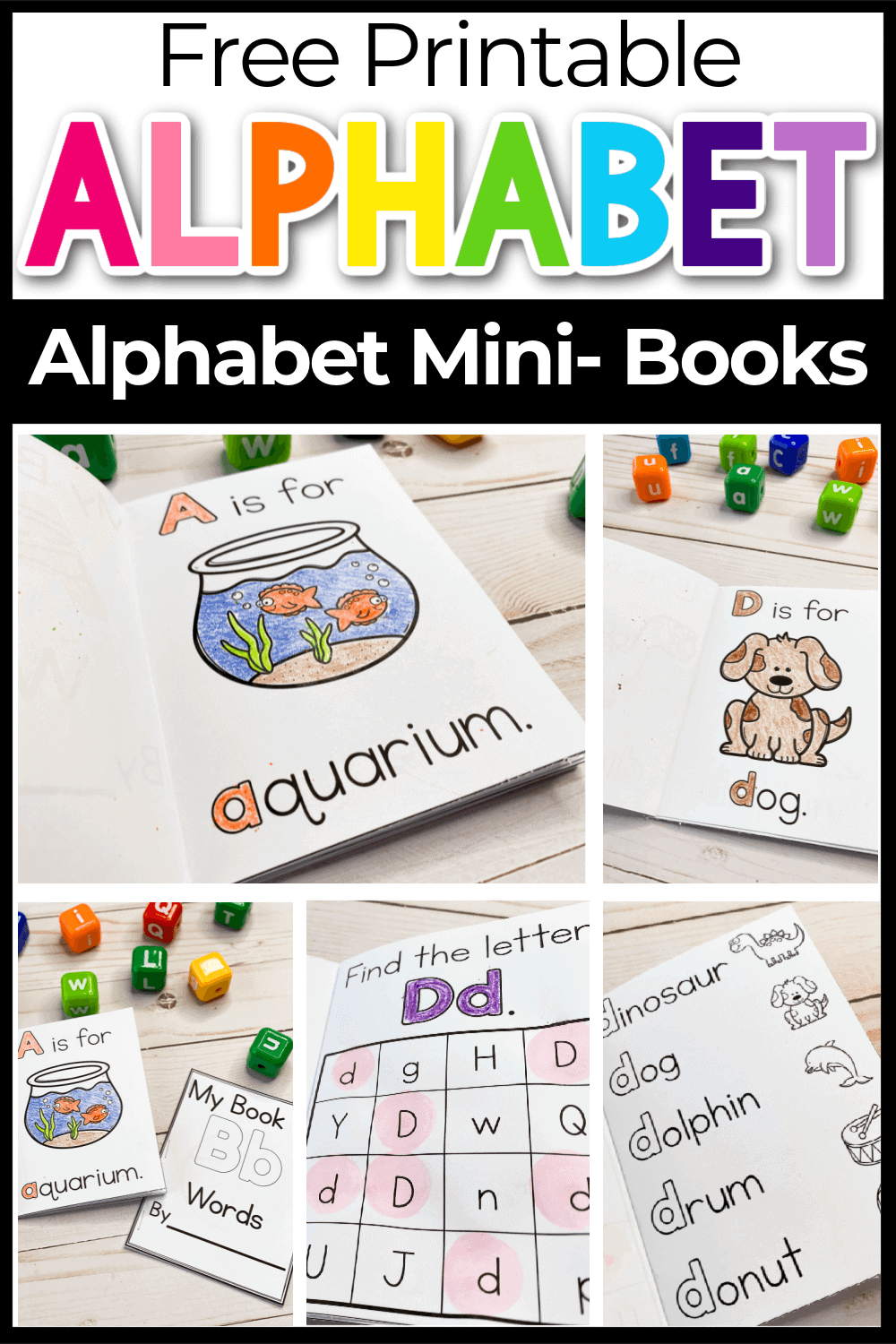
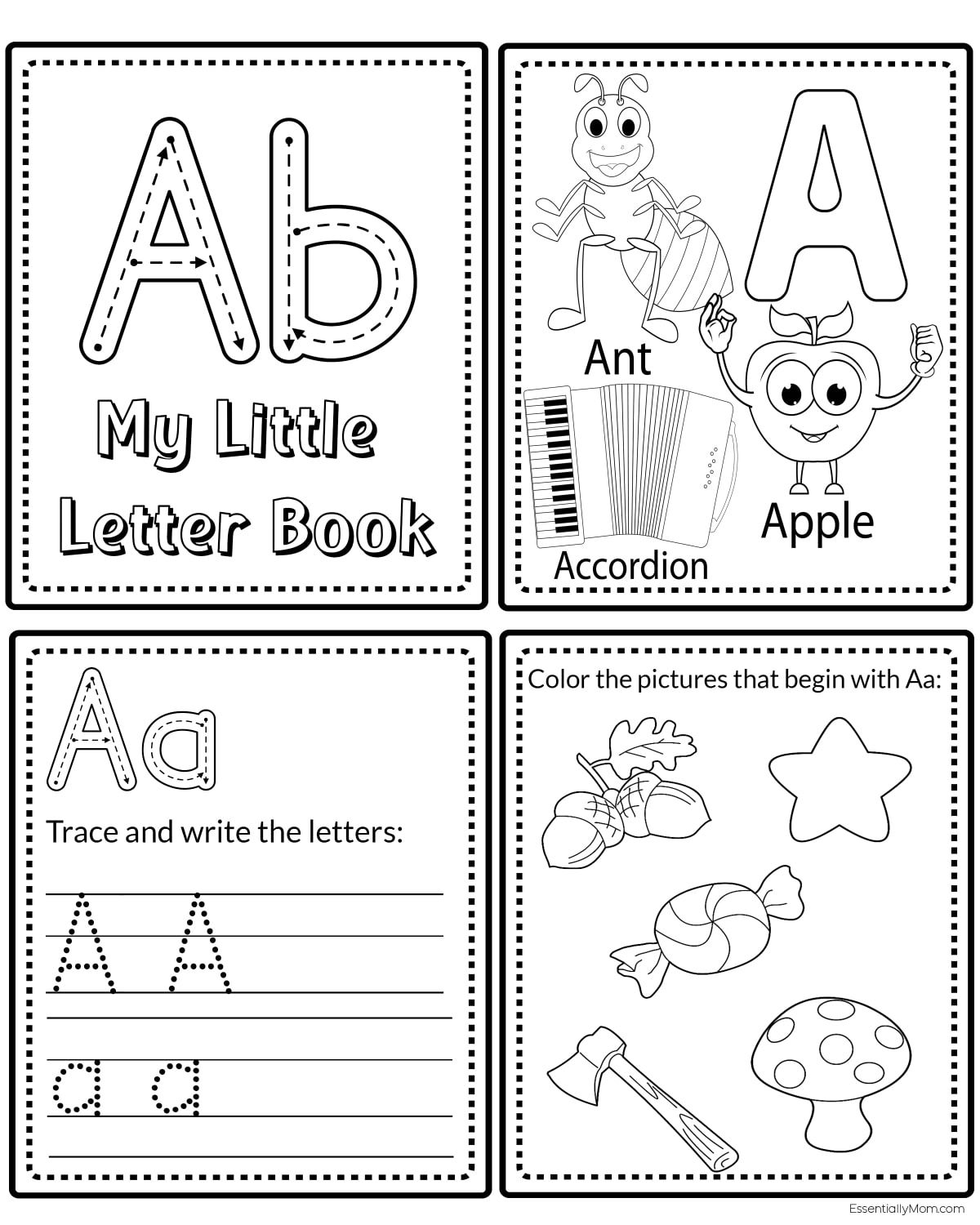
Alphabet Books are designed to help kindergarten students recognize letters and their corresponding sounds. Each page typically features a letter of the alphabet, accompanied by images and words that start with that letter. This format helps children make connections between letters and sounds, which is a fundamental skill in early literacy.
When using Alphabet Books For Kindergarten Printable, you give students an opportunity to practice letter recognition and develop phonemic awareness. These skills are crucial as they lay the foundation for reading and writing.
Setting Up Your Alphabet Book Activity
To get started with your Alphabet Books For Kindergarten Printable, you will need to gather the right materials and plan your setup. Here’s how to create a conducive learning environment:
- Choose Your Format: Decide if you want to create a physical book or a digital one. For a physical book, print each page on sturdy paper, such as cardstock, which holds up well to repeated handling. For a digital book, consider using a PDF format that can be easily shared and viewed on devices.
- Gather Supplies: If you’re making a physical book, you will need:
- Printer
- Cardstock or heavy paper
- Scissors (if trimming is needed)
- Binding materials (like a stapler or a three-ring binder)
- Coloring supplies (crayons, markers) for interactive elements
- Organize the Pages: Print the pages in alphabetical order, ensuring clarity and ease of use. You might want to include a cover page with the child’s name and the title “My Alphabet Book.”
- Create an Interactive Experience: Encourage children to add their drawings or cut out pictures from magazines that correspond to each letter. This not only makes the activity interactive but also personalizes their learning experience.
Engaging Children With the Alphabet Book
Once your Alphabet Books For Kindergarten Printable is set up, the next step is to engage children in the learning process. Here are some effective strategies:
- Read Aloud Together: Start by reading the book together. Point to each letter and encourage the children to repeat the sounds. This reinforces auditory recognition.
- Incorporate Movement: When introducing a letter, have the children perform an action that begins with that letter. For example, for the letter “B,” they could bounce in place. This kinesthetic approach helps them remember the sounds associated with each letter.
- Color and Decorate: Allow children to color in the pictures or add their own illustrations. This not only makes the learning process more enjoyable but also helps reinforce their understanding of each letter.
- Use Repetition: Revisit the Alphabet Book regularly. Consistent exposure will help children retain the information better. You can read a page each day or incorporate it into your daily routine, such as during circle time.
Checking for Mastery
As children work through the Alphabet Books For Kindergarten Printable, it’s important to monitor their progress and check for mastery of the concepts. Here are some signs of understanding:
- Letter Recognition: Children should be able to identify each letter when prompted. You can assess this by asking them to point out letters in their book or around the classroom.
- Sound Association: Check if children can make the sound of each letter and provide examples of words that begin with that letter. For example, when you say “C,” they should be able to say “cat” or “car.”
- Writing Practice: Encourage children to practice writing the letters in their books. Look for proper formation and the ability to write the letter independently.
- Engagement and Enthusiasm: Observe their interest in the activity. If they are excited to share their book with others or ask questions about the letters, it’s a positive sign that they are mastering the content.
Expanding on the Alphabet Book Activity
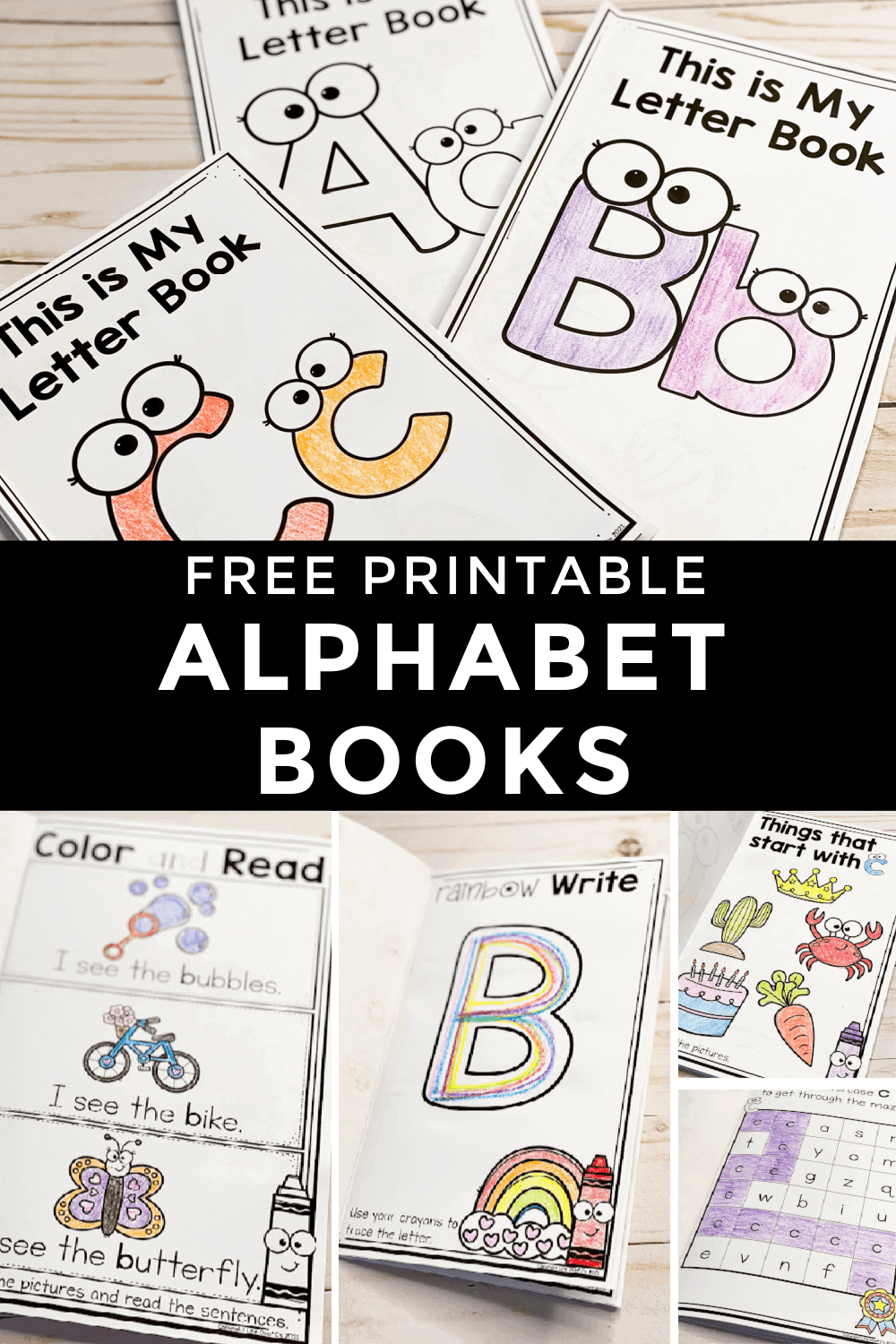
After completing the Alphabet Books For Kindergarten Printable, consider expanding the activity to reinforce what they have learned. Here are some ideas:
- Create a Word Wall: As children learn new words that correspond to each letter, create a word wall in your classroom or home. This visual aid will help them see the connection between letters and words.
- Incorporate Technology: Use educational apps or websites that focus on letter recognition and phonics. Many platforms offer interactive games that reinforce the skills learned in the Alphabet Book.
- Thematic Units: Integrate the alphabet into broader thematic units. For instance, when discussing animals, focus on the letters that correspond to animal names. This contextual learning will help them retain the information better.
- Family Involvement: Encourage parents to engage with the Alphabet Book at home. They can read together, practice writing letters, or explore items around the house that start with different letters.