
Coloring sheets can be a delightful tool for teaching young children their letters. A To Z Coloring Sheets are specifically designed to help kids learn the alphabet while enjoying creative expression. These printable resources are perfect for teachers and parents looking to engage children in fun and educational activities. This guide will cover how to effectively use A To Z Coloring Sheets in various settings, the skills they reinforce, and practical tips for maximizing their benefits.
Understanding A To Z Coloring Sheets
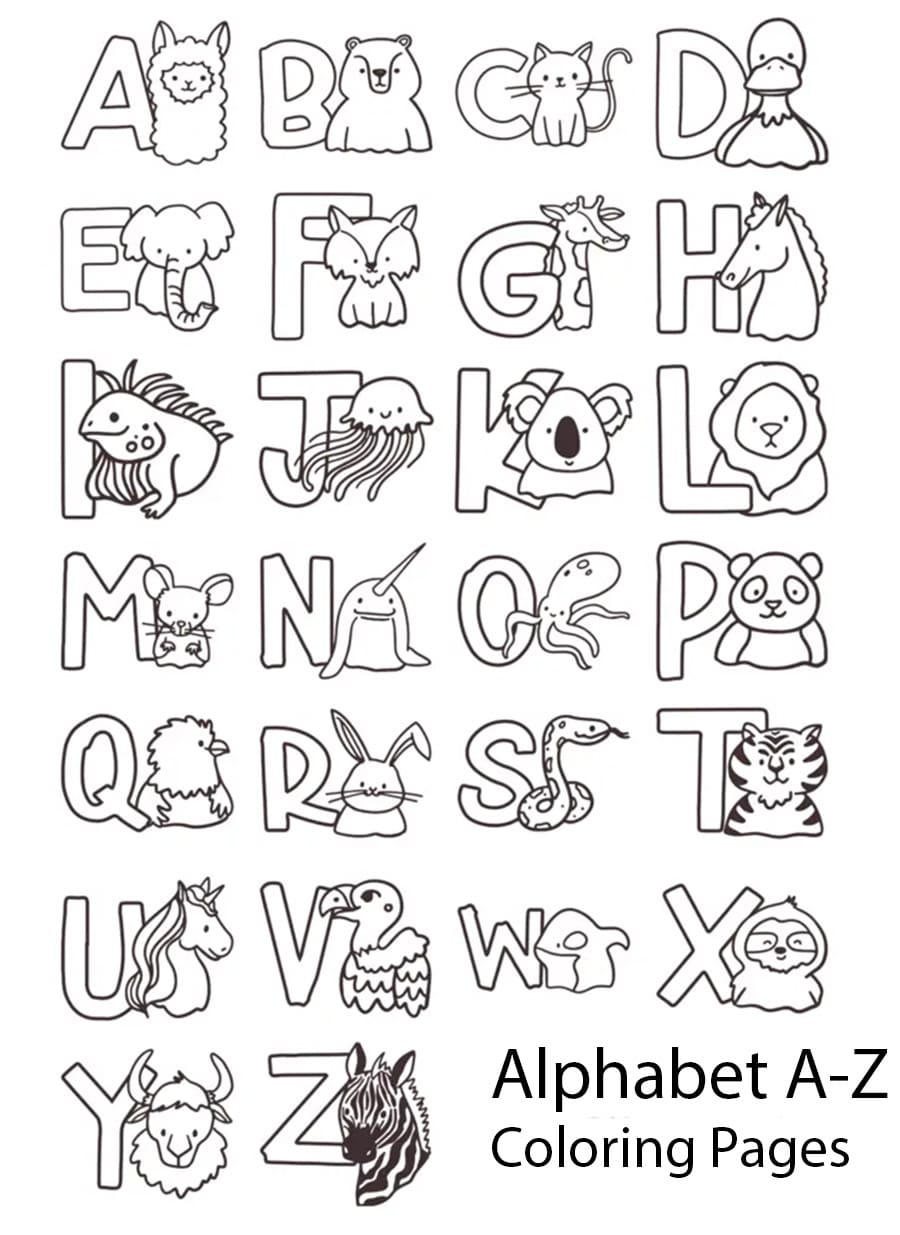
A To Z Coloring Sheets typically feature each letter of the alphabet alongside corresponding images. For example, “A” might be accompanied by an apple, while “B” features a ball. This type of resource helps children associate letters with words and images, reinforcing their learning in a multisensory way. These sheets are suitable for preschoolers and kindergarteners, generally aged 3 to 6 years, but can also be used with older children who may benefit from additional practice or reinforcement.
Incorporating Coloring Sheets Into Your Curriculum
Integrating A To Z Coloring Sheets into your lesson plans can be straightforward. Here are some practical suggestions for making the most of these resources:
- Daily Letter Focus: Choose one letter each day. Start by introducing the letter, discussing its sound, and providing examples of words that begin with that letter. Then, hand out the corresponding coloring sheet for the children to color during independent work time.
- Group Activities: Use A To Z Coloring Sheets for group activities. Divide the class into small groups, assigning each group a set of letters. After they finish coloring, have each group present their letters and illustrations to the class, promoting both teamwork and public speaking skills.
- Alphabet Books: Encourage creativity by having students create their own alphabet books. After coloring each A to Z Coloring Sheet, they can cut them out and compile them into a booklet. This not only reinforces letter recognition but also gives kids a tangible keepsake of their learning.
Skills Reinforced by A To Z Coloring Sheets
Using A To Z Coloring Sheets goes beyond simple coloring. They help develop various skills:
- Fine Motor Skills: Coloring helps children enhance their fine motor skills. As they grasp crayons or colored pencils, they practice hand-eye coordination and control, which are essential for writing later on.
- Letter Recognition: Each sheet focuses on a specific letter, allowing children to recognize and recall letters more effectively. This is foundational for reading and writing.
- Vocabulary Development: The accompanying images provide context, helping children learn new words. For example, when coloring the “C” sheet with a cat, children are exposed to both the letter and the word, enhancing their vocabulary.
Practical Tips for Printing and Using Coloring Sheets
When using A To Z Coloring Sheets, the printing process can make a difference in how well they hold up in a classroom or home setting. Here are some tips:
- Choose the Right Paper: Use cardstock if you plan to laminate the sheets later. This makes them sturdier and more durable for repeated use. Standard printer paper is fine for one-time use.
- Print Settings: Make sure to select ‘portrait’ layout for most coloring sheets, as this is the typical format. Adjust the print quality to ‘high’ for the best results, ensuring that the images are clear and vibrant.
- Coloring Materials: Offer a variety of coloring materials, such as crayons, colored pencils, or markers. Each has its unique benefits; for example, crayons are great for younger children, while colored pencils allow for finer details.
Creative Extensions of A To Z Coloring Sheets
To keep the learning dynamic, consider extending the use of A To Z Coloring Sheets beyond just coloring. Here are some creative ideas:
- Story Time: After coloring, read a story that features the letter of the day. For instance, if the letter is “D,” read a book about dogs or dinosaurs. This reinforces the letter’s sound and meaning through narrative context.
- Art Projects: Use the colored sheets as part of larger art projects. For example, children can cut out their colored letters and glue them onto a larger poster that spells out their names or favorite words.
- Games and Activities: Incorporate games using the sheets. For example, create a memory matching game with colored images and their corresponding letters. This reinforces learning while making it fun.