
Using A To Z Alphabet Pictures Printable resources can greatly enhance the learning experience for young children, making the process of learning letters more engaging and interactive. These printables often feature vibrant images corresponding to each letter, helping students connect the visual representation of letters with words. explore how to effectively use these resources in the classroom or at home, along with tips for maximizing their educational value.
Understanding the A To Z Alphabet Pictures Printable
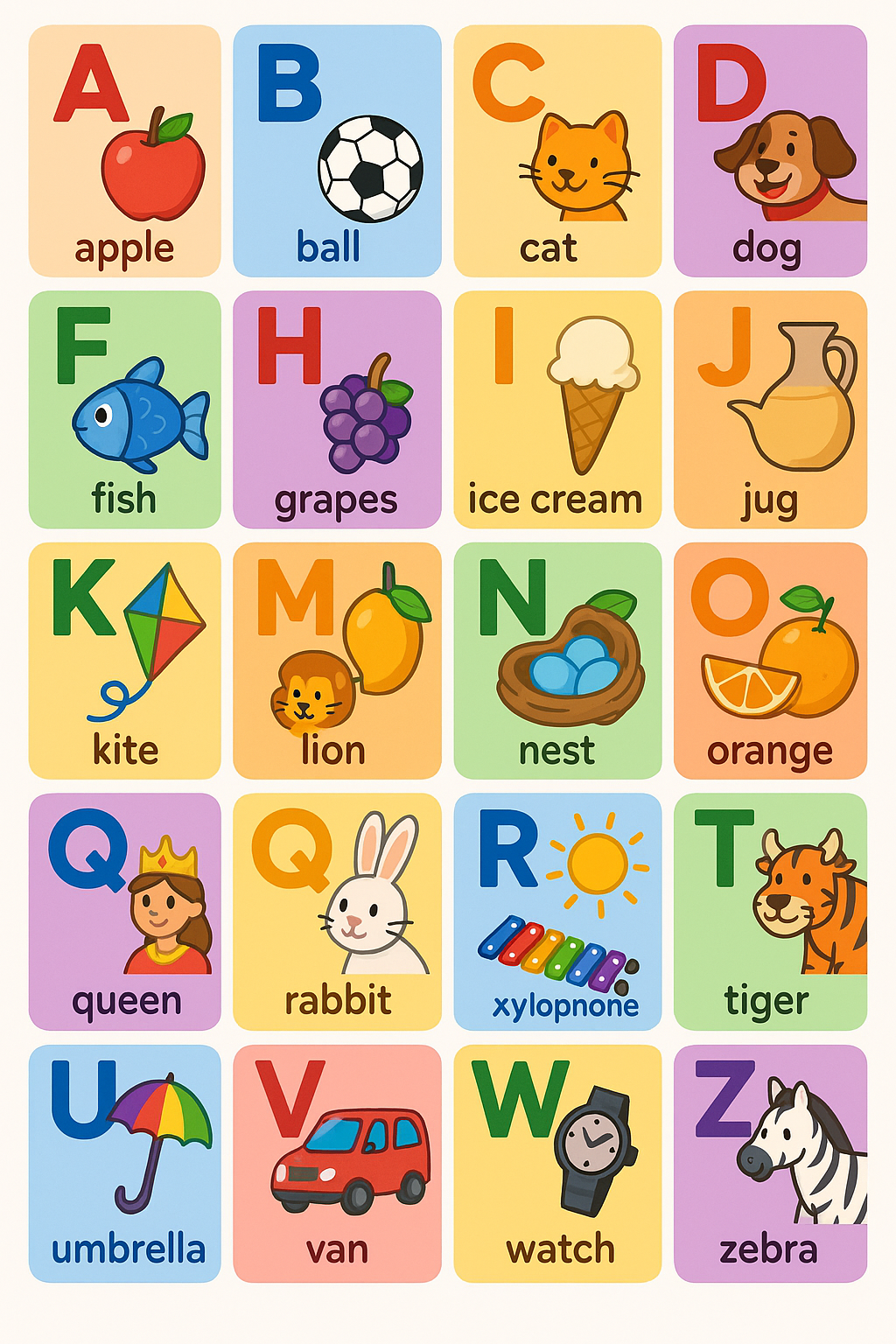
These printables typically include 26 pages, each dedicated to a letter of the alphabet, featuring a relevant image. For example, the letter “A” might be paired with an apple, while “B” could showcase a balloon. The images are designed to capture children’s attention and help them associate letters with familiar objects. This visual connection is crucial for early literacy development, especially for preschool and kindergarten students.
Educators and parents can easily download and print these resources in various formats, usually PDF, ensuring high-quality images that maintain their clarity even after printing. Portrait layout is common, making it easy to display the sheets on walls or in learning centers.
Integrating Alphabet Pictures Into Lessons
Classroom Activities
In a classroom setting, these printables can be integrated into several activities that promote letter recognition and phonemic awareness:
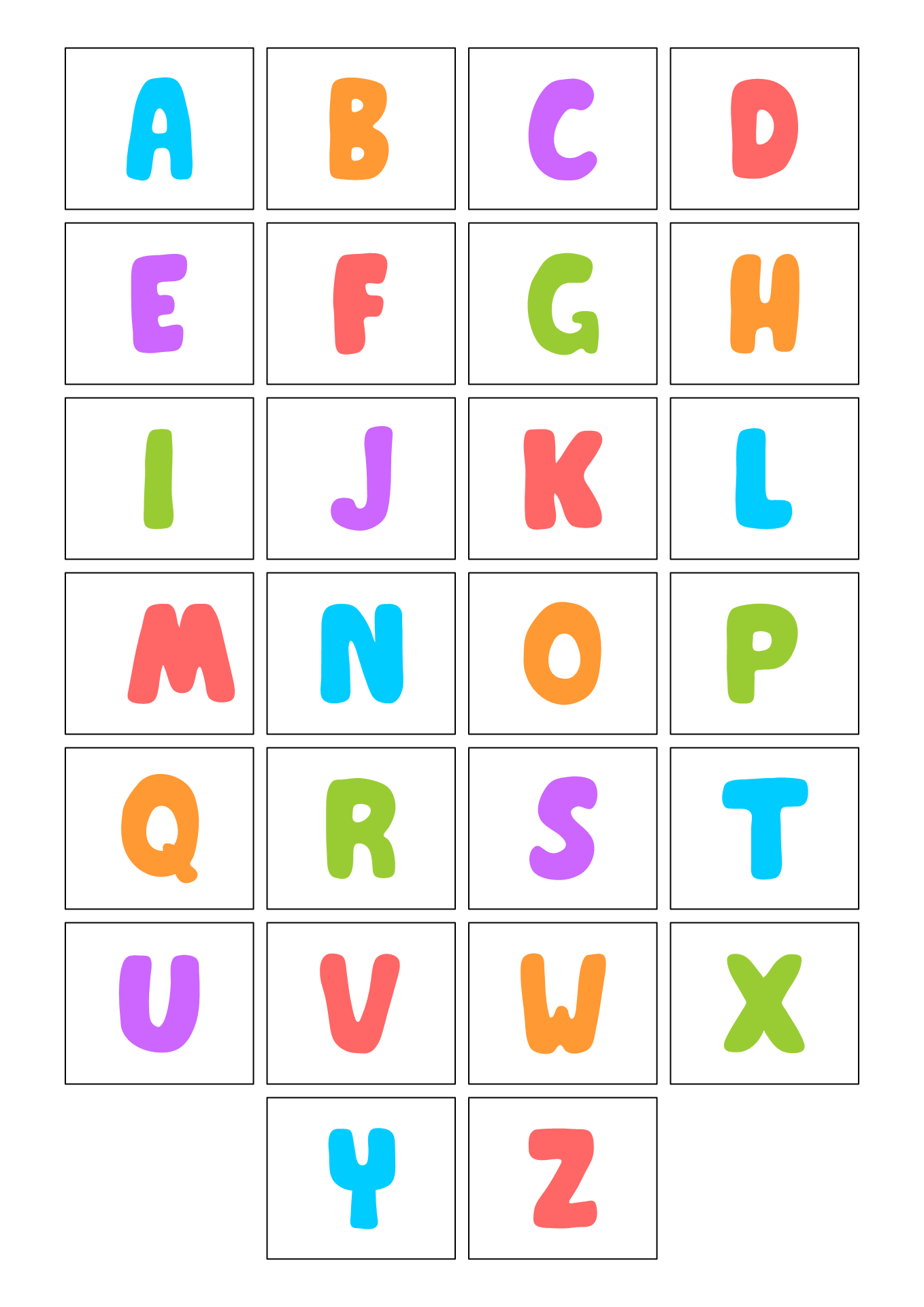
- Flashcards: Cut out the images and letters to create flashcards. Hold up a card and ask students to identify the letter and the corresponding image. This can be a fun group activity or done individually.
- Matching Games: Print two sets of the alphabet pictures. Students can play a matching game where they find pairs of letters and images. This reinforces memory and recognition.
- Alphabet Wall: Create an alphabet wall using the printables. Each letter can be displayed alongside its image, serving as a visual reference for students throughout the year.
Home Learning
For parents, these printables serve as valuable tools for reinforcing learning at home. Here are some ideas on how to use them effectively:
- Daily Practice: Set aside a few minutes each day for your child to practice recognizing letters and their sounds. Use the printables to make this routine engaging.
- Story Time Connection: When reading books, refer back to the alphabet pictures. If a story features an apple, show the “A” page. This helps children make connections between what they read and letters.
- Art Projects: Encourage children to color or decorate their favorite alphabet pictures. This not only reinforces letter recognition but also promotes creativity.
Choosing the Right Format and Paper
When printing A To Z Alphabet Pictures Printable resources, the choice of paper can significantly impact the durability and usability of the materials. Here are some tips:
- Paper Type: Consider using cardstock for a sturdier feel. Cardstock withstands handling better than standard printer paper and is less likely to tear.
- Color Settings: Ensure your printer is set to high-quality color settings to capture the vibrancy of the images. This makes the learning materials more appealing to young learners.
- Size Considerations: Most printables are designed for standard letter size (8.5 x 11 inches). If you want to create a larger display, adjust your printer settings accordingly or use a larger paper size.
Enhancing Engagement With Additional Activities
To further engage children with the alphabet, consider incorporating these activities alongside the A To Z Alphabet Pictures Printable:
- Sound Games: After reviewing a letter, play a game where children think of words that start with that letter. This reinforces phonics and helps them understand the sounds associated with each letter.
- Interactive Storytelling: Use the alphabet pictures as prompts for storytelling. Ask children to create a story using the letters and images. This fosters creativity and language skills.
- Alphabet Songs: Integrate music by singing alphabet songs. Use the printable images as visual aids during the song to reinforce recognition.