
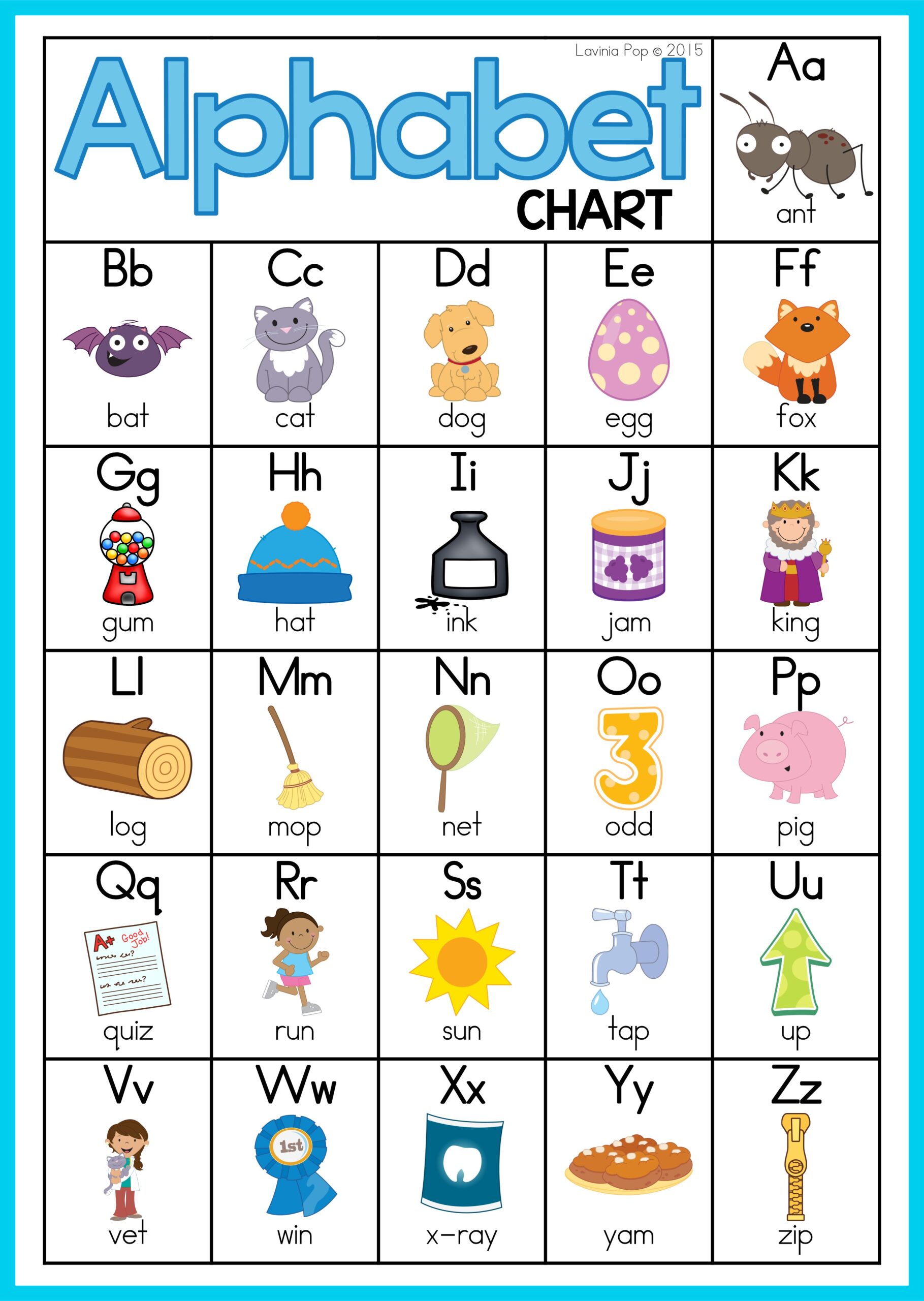
Learning the alphabet is a foundational skill for young children, but finding the right resources can be a challenge. Free Printable Letters Of The Alphabet are an excellent solution for parents and teachers looking to reinforce letter recognition, phonics, and writing skills. With these printable resources, you can create engaging activities that fit seamlessly into your daily routine at home or during homeschool sessions.
Why Use Printable Letters of the Alphabet?
Printable letters serve multiple educational purposes. They not only help children recognize the shapes and sounds of letters, but they also facilitate hands-on learning experiences. Children can trace, color, or use the letters in various activities, making learning more interactive. Plus, having a physical resource allows for creativity. Your child can decorate the letters, use them for crafts, or even create their own alphabet book.
Choosing the Right Printable Letters
When selecting Free Printable Letters Of The Alphabet, consider the following factors to ensure they meet your educational goals:
- Font Style: Look for letters that are clear and easy to read. Some printables offer uppercase, lowercase, or mixed-case letters. Decide which will best suit your child’s learning stage.
- Size: Make sure the letters are large enough for children to trace or color. Typically, a size of at least 3 to 5 inches works well for young learners.
- Design Elements: Consider whether you want plain letters or those with fun designs. Some printables include images or themes (like animals or colors) that can make learning more engaging.
Downloading and Printing Your Resources
Once you’ve chosen your printable letters, the next step is to download and print them. Here’s a simple step-by-step process:
- Find a Reliable Source: Look for websites that offer Free Printable Letters Of The Alphabet. Ensure that they are reputable and provide high-quality downloads.
- Choose the Format: Most printables come in PDF format, which is ideal as it retains the layout and design when printing.
- Download the File: Click the download button and save the file to your computer or device.
- Print Settings: Open the PDF and check your print settings. Use portrait orientation for standard letter-sized paper (8.5” x 11”). If you’re using cardstock for durability, adjust your printer settings accordingly.
- Print a Test Page: It’s a good idea to print a test page first to make sure everything looks as expected.
Setting Up Fun Learning Activities
After printing, you can set up various activities to reinforce letter learning. Here are some ideas:
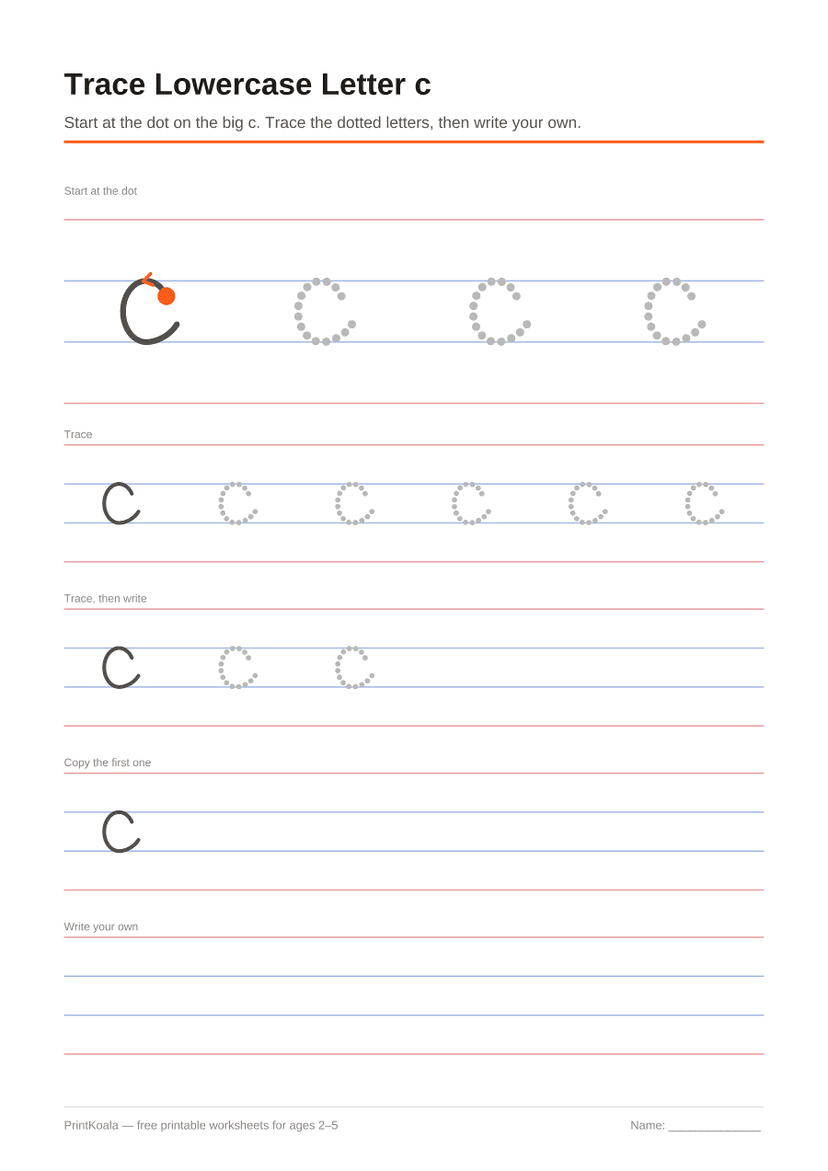
Tracing Letters
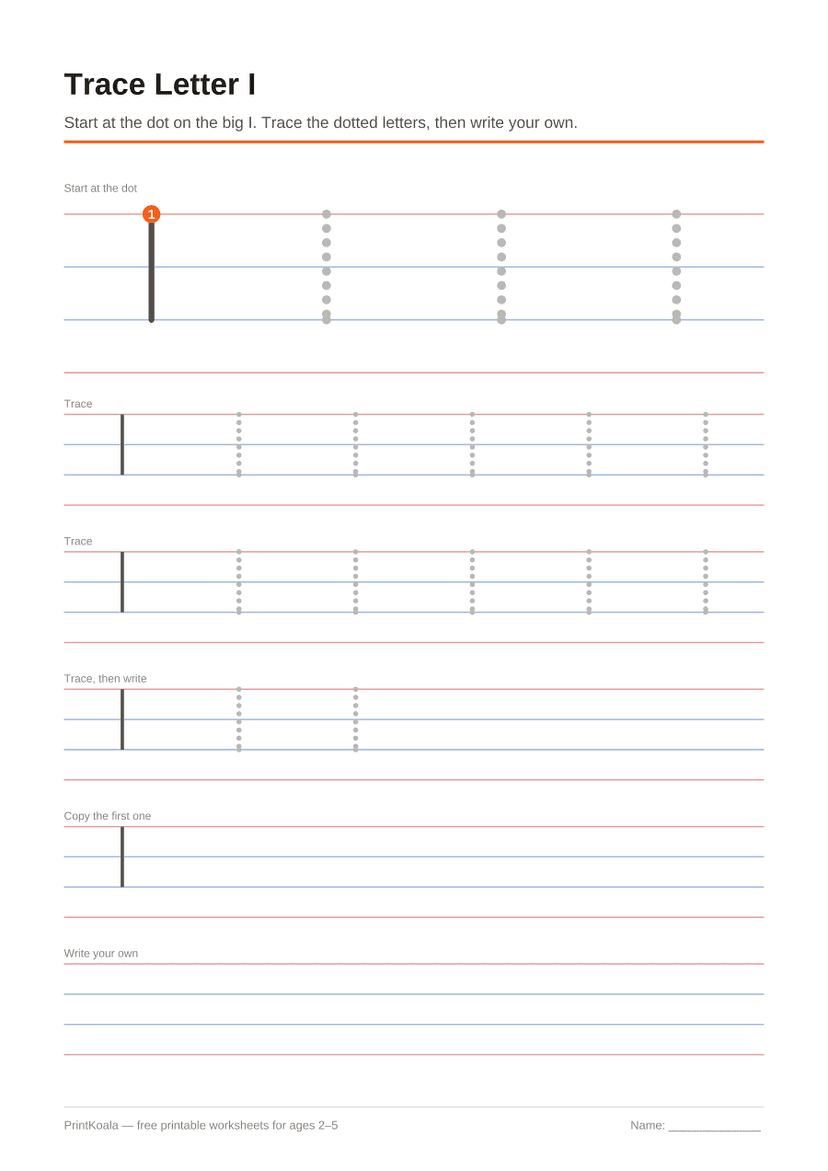
- Materials Needed: Printed letters, pencils or crayons, and optional laminating sheets.
- Activity Steps:
- Encourage your child to trace over the letters using a pencil or crayon.
- For durability, consider laminating the sheets so they can be reused with dry-erase markers.
- Discuss the sound of each letter as they trace.
Coloring Sheets
- Materials Needed: Printable letters, coloring supplies (markers, crayons, or colored pencils).
- Activity Steps:
- Let your child color in the letters.
- You can also have them decorate the surrounding area with drawings that start with that letter.
- This helps with letter recognition and creativity.
Alphabet Crafts
- Materials Needed: Printed letters, scissors, glue, and craft materials (like construction paper, stickers, etc.).
- Activity Steps:
- Cut out the letters and have your child glue them onto a piece of construction paper.
- They can create a collage or even an alphabet book by adding pictures or words that start with each letter.
- This reinforces both fine motor skills and letter recognition.
Letter Games
- Materials Needed: Printable letters, a basket or container.
- Activity Steps:
- Place the printed letters in a basket.
- Call out a letter and have your child find it in the basket.
- This can be turned into a fun race or timed activity to keep them engaged.
Tips for Maximizing Learning
- Repetition is Key: Regular practice helps solidify letter recognition. Use the printables consistently in your learning routine.
- Mix Up Activities: Change the activities regularly to keep your child interested. Combine tracing, coloring, and crafts to cover various learning styles.
- Incorporate Technology: If possible, use digital tools alongside printables. For example, online games that focus on the alphabet can complement your hands-on activities.