
Coloring is not just a fun activity; it’s an essential tool for early childhood development. 5 And Under Coloring Pages Letters specifically cater to children aged five and under, helping them learn the alphabet in a creative way. These coloring pages allow kids to practice letter recognition, fine motor skills, and even enhance their vocabulary, all while enjoying the process of coloring.
Importance of Coloring Pages for Early Learning
Coloring pages serve multiple educational purposes. For children aged five and younger, these pages can foster creativity and encourage self-expression. They also provide a hands-on way to reinforce the concepts being taught in the classroom or at home. By integrating coloring with letter recognition, you’re not just helping kids learn their ABCs; you’re also engaging them in a process that makes retention easier.
Kids learn best when they’re having fun. The 5 And Under Coloring Pages Letters can be used during lessons, as homework, or even as a calming activity after more intensive learning sessions. These pages can be printed easily at home or in a classroom setting, making them readily accessible.
How to Use 5 And Under Coloring Pages Letters
When incorporating these coloring pages into your teaching or parenting strategy, consider the following practical tips:
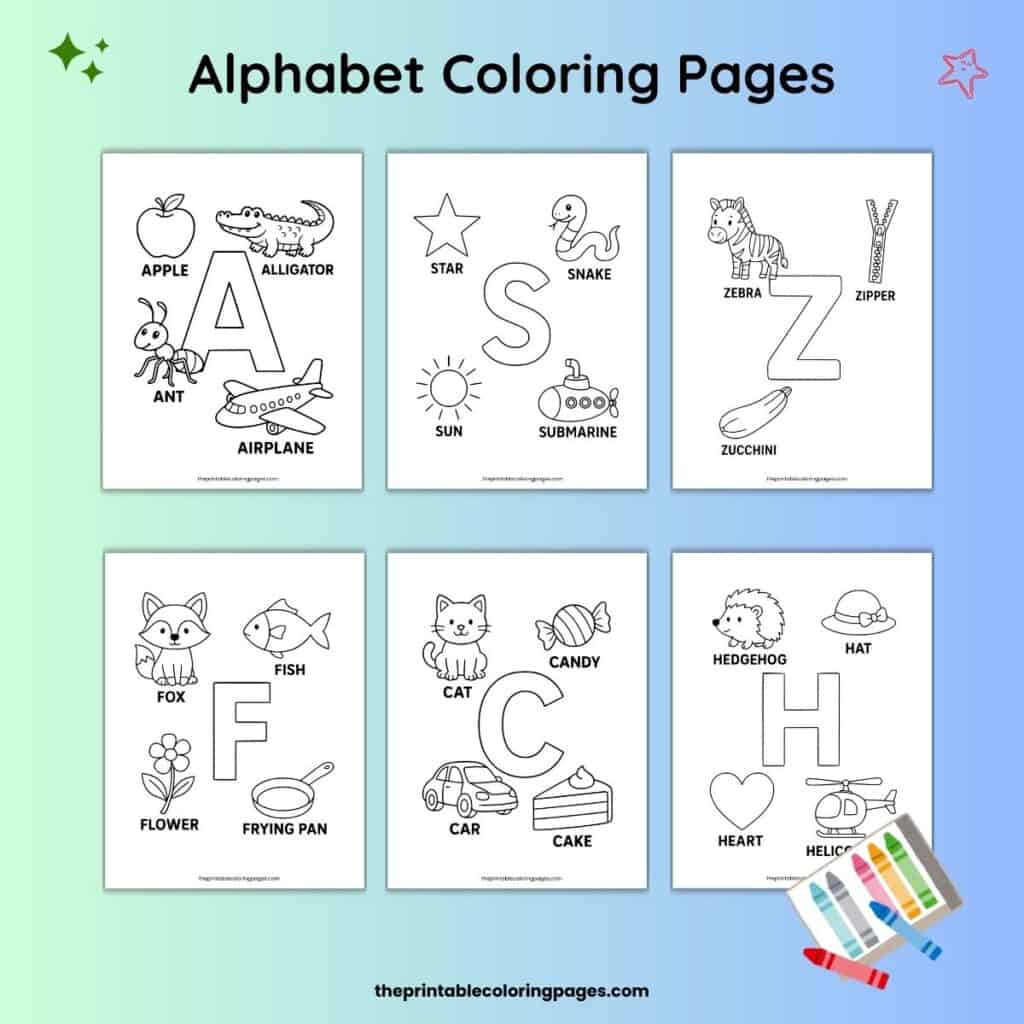
- Choose the Right Pages: Look for coloring pages that feature large, clear letters. The best pages will include fun images or characters related to each letter to capture children’s attention. For example, an “A” could be accompanied by an apple or an alligator.
- Incorporate Teaching Moments: While children are coloring, take the opportunity to discuss the letters and words associated with each page. Ask questions like, “What sound does the letter ‘B’ make?” or “Can you think of another word that starts with ‘C’?” This turns a simple coloring task into an interactive learning experience.
- Use Different Materials: Encourage children to use various coloring tools—crayons, colored pencils, or markers. Each medium can help develop different fine motor skills. For instance, crayons are great for grip strength, while markers can help with control and precision.
- Display Their Work: Once the pages are colored, display them on a wall or refrigerator. This not only boosts children’s confidence but also reinforces their learning. They’ll be proud to see their work exhibited, and it serves as a constant reminder of what they’ve learned.
- Create a Routine: Incorporate coloring into a daily routine, whether it’s as a warm-up activity before lessons or a winding-down exercise at the end of the day. Consistency helps reinforce learning.
Types of 5 And Under Coloring Pages Letters
There are various types of coloring pages you can find or create for this age group:
Alphabet-Focused Pages
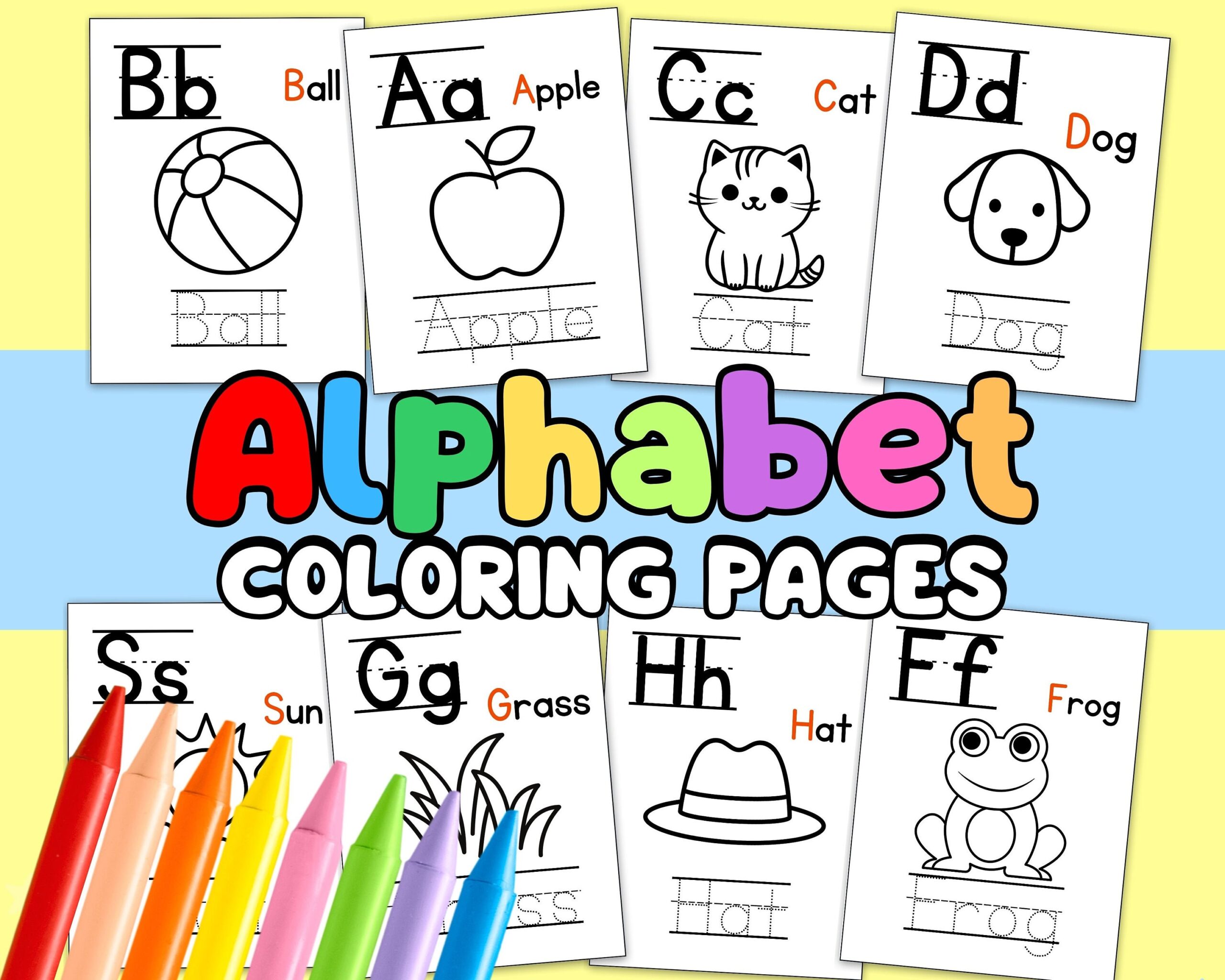
These pages typically feature each letter of the alphabet, often with accompanying images. For example, “D” might come with a drawing of a dog. This format helps children associate letters with words and sounds.
Themed Pages
These might include seasonal themes, holidays, or popular children’s characters. Themed pages can be particularly engaging, as they keep the activity fresh and exciting. For instance, you might find Halloween-themed letters with pumpkins or Christmas-themed letters with holiday decorations.
Interactive Pages
Some coloring pages include activities, such as tracing letters or completing patterns. These interactive elements can help reinforce letter recognition and improve fine motor skills.
Tips for Printing and Using Coloring Pages
When you’re ready to print your 5 And Under Coloring Pages Letters, keep these practical tips in mind:
- Paper Quality: Use heavier paper or cardstock for coloring pages. This prevents the pages from tearing easily, especially when kids press down hard with crayons or markers.
- Print Settings: Opt for a portrait layout when printing. Most home printers handle this format better, ensuring that the image fits well on the page without unnecessary cropping.
- Coloring Tools: Encourage children to explore different coloring tools. Watercolors, gel pens, or even finger paints can be fun alternatives to traditional crayons. Just remind them to be careful to avoid messes!
- Laminating: If you plan to reuse the coloring pages, consider laminating them. This allows kids to color with dry-erase markers and wipe them clean for another use.
- Downloadable Formats: Look for coloring pages available in PDF format. This ensures the pages will print correctly without any formatting issues that can occur with image files.
Integrating Coloring Pages Into Lesson Plans
If you’re a teacher, integrating 5 And Under Coloring Pages Letters into your lesson plans can be straightforward. Here’s how:
- Warm-Up Activities: Begin with a short coloring session related to the day’s lesson. For example, if you’re focusing on the letter “E,” spend a few minutes coloring an “E” page before diving into words that start with that letter.
- Group Projects: Organize group coloring sessions. Children can work together to color a large poster of the alphabet, which can later be displayed in the classroom.
- Assessment Tools: Use coloring pages as informal assessment tools. Observe how well children recognize letters and follow instructions as they color.
- Parent Involvement: Send coloring pages home to involve parents in their child’s learning. This not only reinforces concepts at home but also fosters a connection between school and family.
- Thematic Units: Incorporate coloring pages into thematic units. If your class is learning about animals, include animal-themed letter coloring pages that align with the unit.