
Learning the alphabet is a crucial step in early childhood education, and using 2 Year Old Alphabet Worksheets can make this process both enjoyable and effective. These worksheets are specifically designed to engage toddlers with various activities that promote letter recognition, phonics, and fine motor skills. In this article, we’ll explore how to use these worksheets effectively in both classroom and home settings, ensuring that young learners have a solid foundation for their reading journey.
The Importance of Alphabet Recognition for 2-Year-Olds
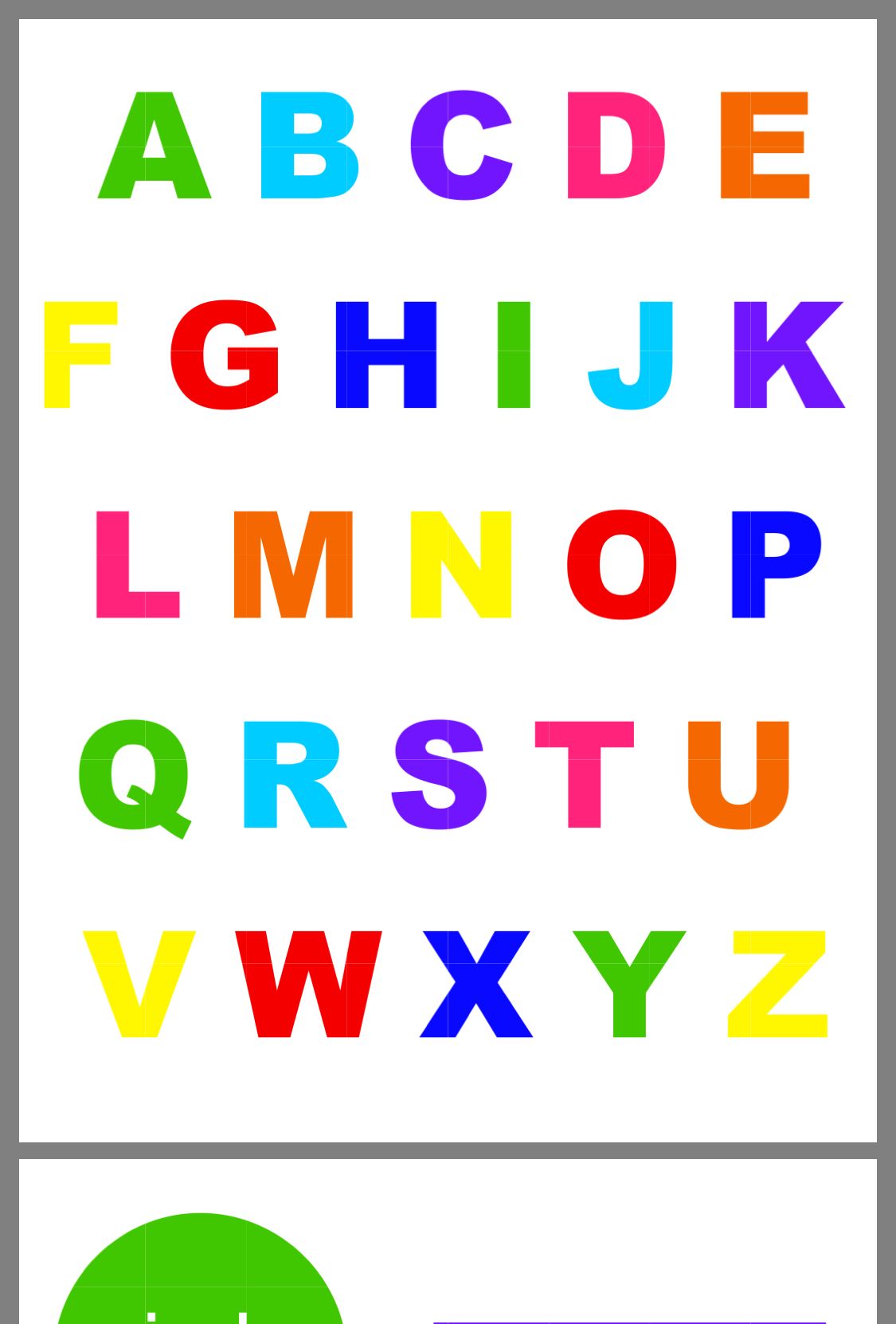
At around two years of age, children are beginning to explore language and sound. Introducing them to the alphabet through engaging worksheets is a great way to enhance their vocabulary and communication skills. Alphabet recognition at this age lays the groundwork for later reading and writing abilities. Worksheets can help children recognize letters visually and understand their corresponding sounds, making them a vital resource for early education.
When selecting 2 Year Old Alphabet Worksheets, look for ones that include colorful illustrations and simple activities. Activities such as tracing letters, matching letters to objects, or coloring in letters can keep toddlers engaged while learning.
Effective Ways to Use 2 Year Old Alphabet Worksheets
Incorporating Worksheets Into Daily Routines
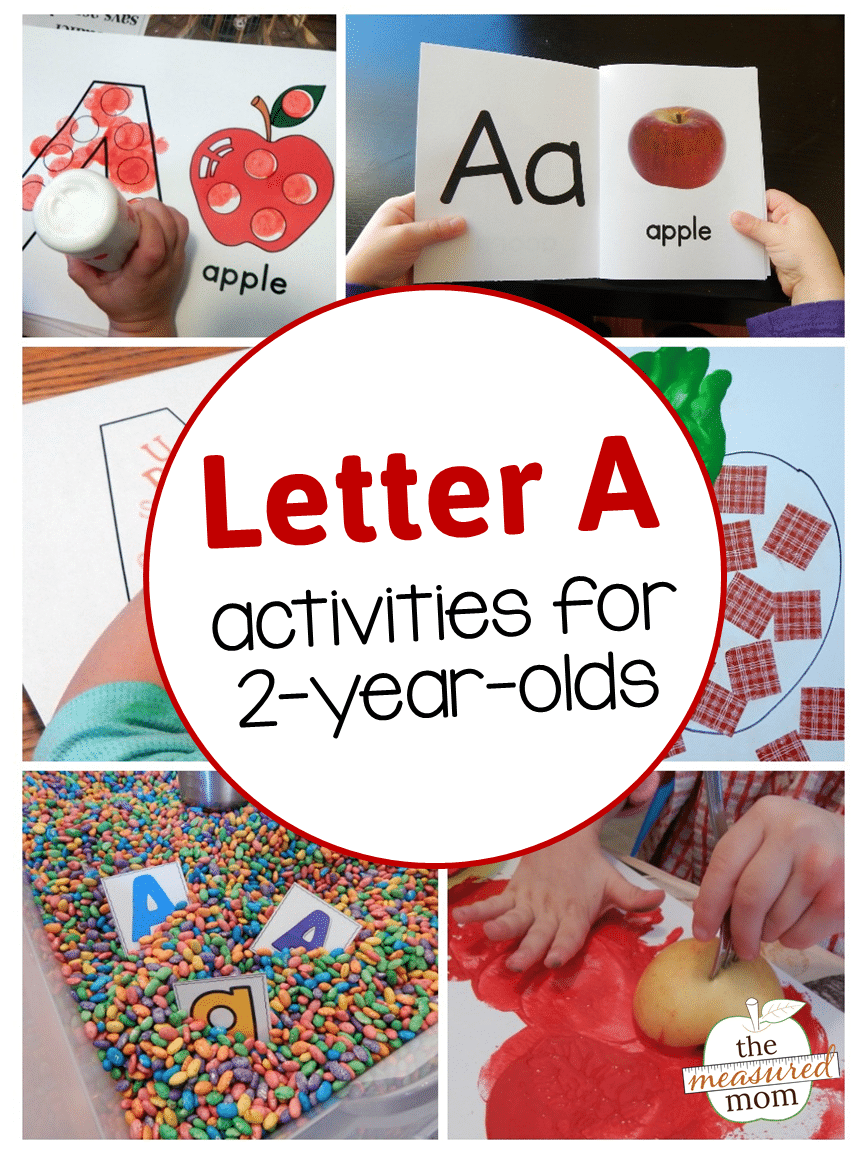
One of the best ways to use 2 Year Old Alphabet Worksheets is by integrating them into your daily routine. For example, set aside a specific time each day for a short educational session. This could be during breakfast, before nap time, or after lunch. Keep these sessions brief—about 10 to 15 minutes—so as not to overwhelm the child.
Using a consistent routine helps toddlers anticipate learning time, making them more receptive to the activities. You might say, “After we finish our snack, let’s look at some letters together!”
Group Activities in a Classroom Setting
If you’re a teacher, consider using 2 Year Old Alphabet Worksheets for group activities. You can print enough copies for all the children in the class and have them work together on simple tasks. For instance, you might have a “letter of the day” where children can color the letter and then find objects in the classroom that start with that letter.
This not only reinforces letter recognition but also encourages social interaction among the children. They can share their findings with each other, promoting communication skills as well.
Types of Activities to Include in Alphabet Worksheets
Tracing and Writing Letters
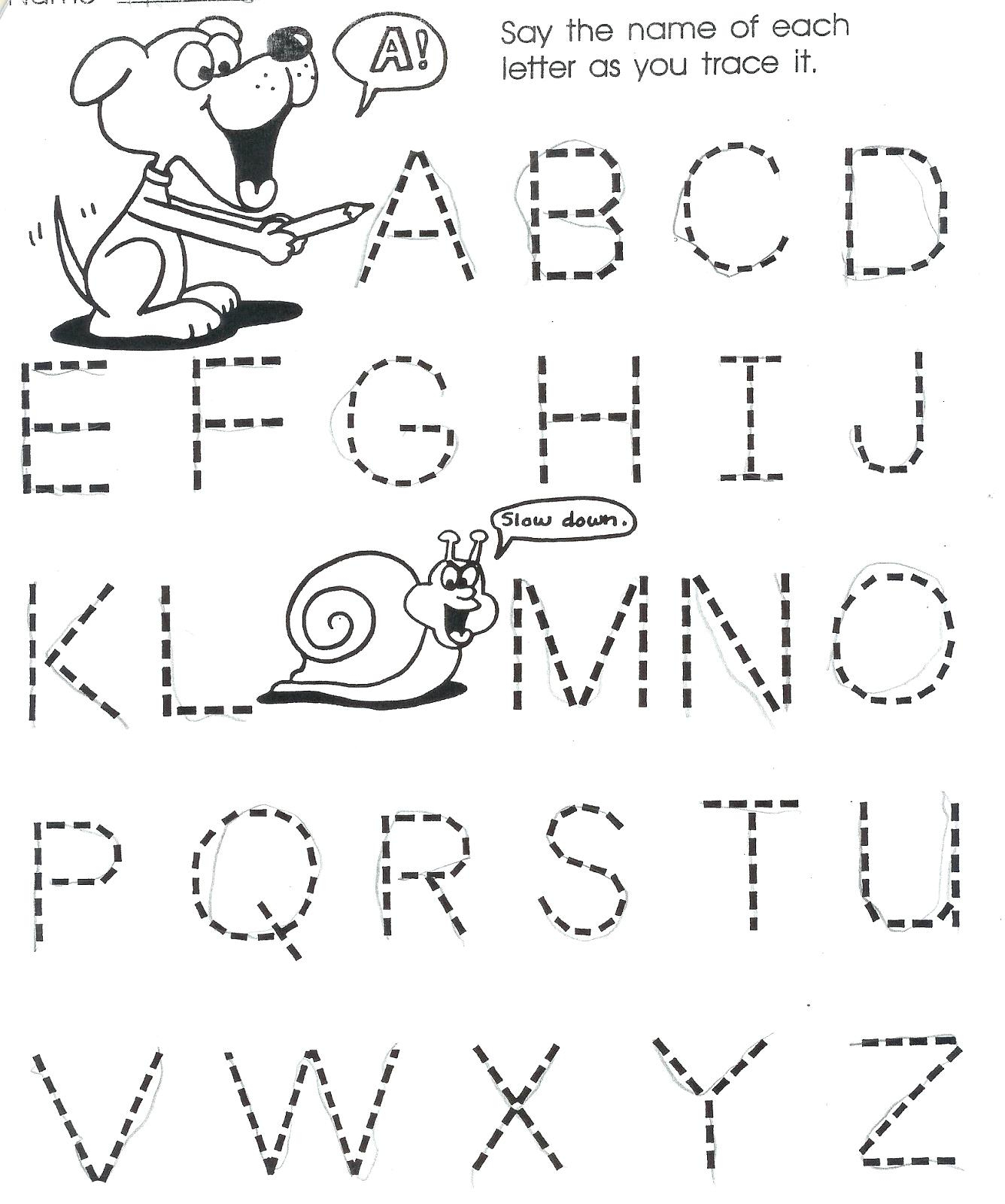
One of the most effective activities for 2-year-olds is tracing letters. Worksheets that allow children to trace both uppercase and lowercase letters help develop their fine motor skills. You can encourage them to use different writing tools, such as crayons, markers, or even finger paints, to make the tracing more fun.
Matching Letters With Pictures
Worksheets that include pictures alongside letters can reinforce learning through visual association. For instance, a worksheet might show the letter “A” with an apple next to it. Children can be asked to color the apple or draw a line connecting the letter to the picture. This activity helps them associate letters with words, further enhancing their vocabulary.
Coloring Activities
Coloring is not only a fun activity for toddlers but also a way to develop their hand-eye coordination. Worksheets that feature letters to color in can be particularly engaging. You might provide a variety of colors and encourage children to be creative while coloring each letter.
Printing and Preparing Worksheets
Choosing the Right Paper
When it comes to printing 2 Year Old Alphabet Worksheets, consider the paper type. Standard printer paper works well, but if you want the worksheets to last longer, using cardstock is a great idea. Cardstock is more durable and can withstand the wear and tear that often comes with toddlers handling materials.
Print Settings and Layout
For most home printers, setting the page layout to portrait orientation is ideal for worksheets. Ensure that the print quality is set to “best” or “high” to maintain clear images and text. This will help young learners easily recognize the letters and engage with the activity.
Preparing for Use
Before you hand out the worksheets, take a moment to review them. Check if any additional materials, like crayons or stickers, are needed. Having everything ready will create a smoother experience, allowing the child to focus on the learning activity without distractions.
Encouraging Engagement and Reinforcement
Positive Reinforcement
As children work through their 2 Year Old Alphabet Worksheets, providing positive feedback is crucial. Celebrate their efforts, whether they correctly trace a letter or simply enjoy coloring. You might say, “Great job coloring the letter A! Look how wonderful it looks!” This encouragement builds their confidence and enthusiasm for learning.
Repetition and Routine
Repetition is key in early learning. Don’t hesitate to revisit the same worksheets multiple times. You can change the activities slightly each time to keep things fresh. For example, one day, they might trace letters, and another day, they could match letters to pictures. This variety helps solidify their understanding while keeping them engaged.